What Signs Of Roof Damage Are Common In La Crosse, WI Homes? (7 Red Flags)
Written By: Hook Agency

05/28/26

8 Mins
Understanding what signs of roof damage are common in la crosse wi homes can help homeowners catch roofing problems early before they lead to expensive repairs or interior water damage. In La Crosse, WI and surrounding areas, roofs are exposed to heavy snow, strong winds, rainstorms, humidity, and major seasonal temperature changes that gradually wear down roofing materials over time.
- Weather exposure: Midwest storms and winter conditions place constant stress on roofs.
- Hidden damage risks: Small roofing issues often worsen before becoming visible indoors.
- Early detection matters: Addressing roof damage quickly can help avoid major repair costs.
Why Roof Damage Is Common in La Crosse
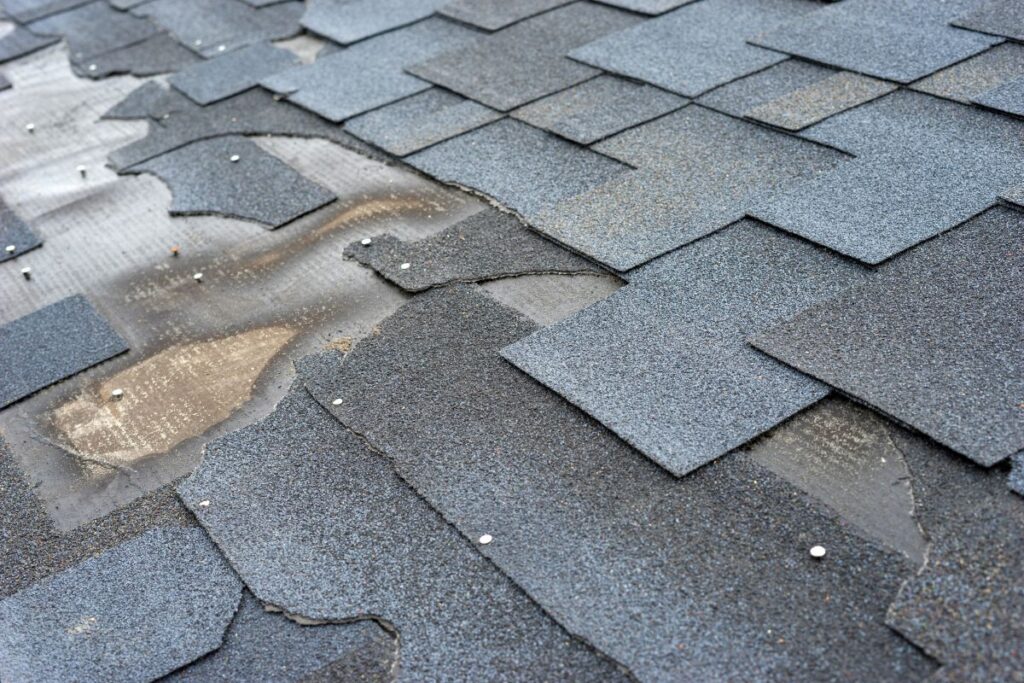
Homes in La Crosse, WI and surrounding areas experience a wide variety of weather conditions throughout the year. Winter snow accumulation and freeze-thaw cycles can weaken shingles and flashing, while spring and summer storms often bring wind, hail, and heavy rainfall.
Temperature fluctuations also play a major role in roof wear. Roofing materials expand and contract repeatedly as temperatures rise and fall, gradually weakening seals, shingles, and other roofing components.
Because many roofing issues develop slowly over time, homeowners may not notice damage until leaks or interior moisture problems appear. Recognizing warning signs early can help prevent larger structural issues.
7 Common Signs of Roof Damage Homeowners Should Watch For
These warning signs often indicate roofing problems that should be professionally inspected before they worsen.
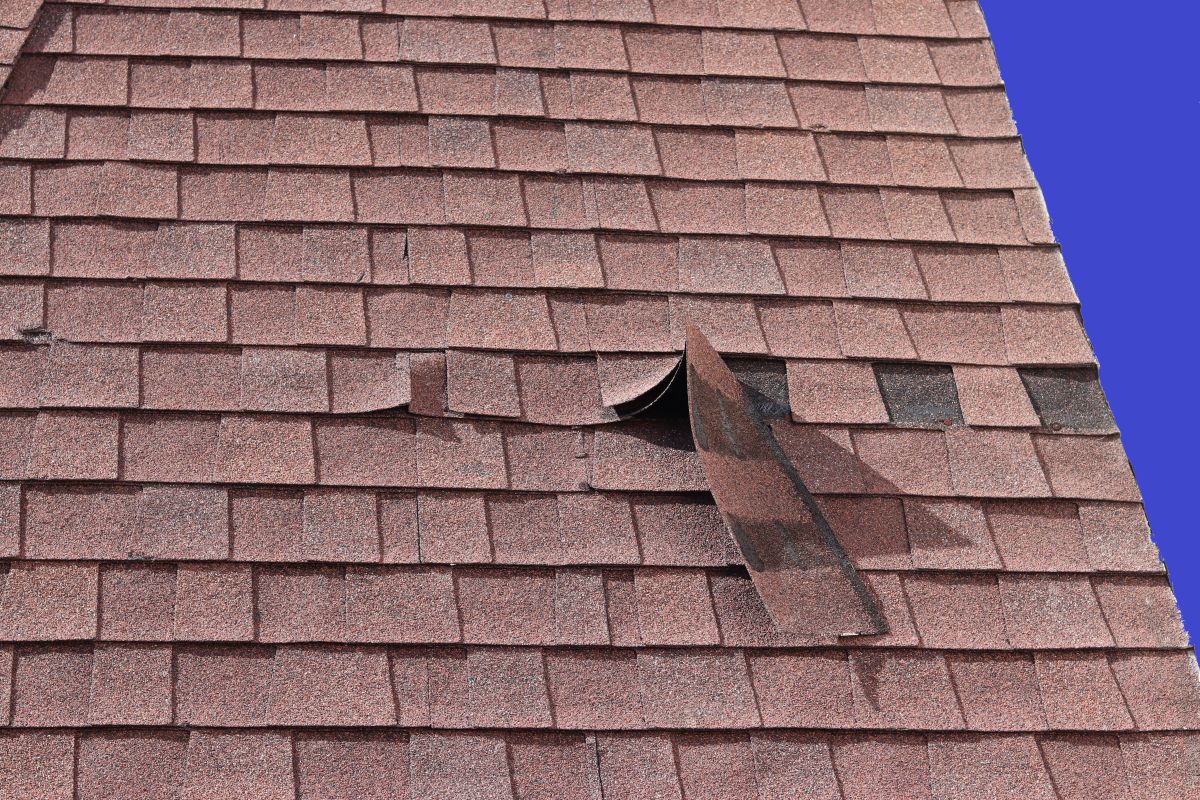
1. Missing or Damaged Shingles
- Wind damage: Strong gusts can loosen or remove shingles.
- Cracked shingles: Aging materials become brittle over time.
- Curling edges: Shingles may lose their ability to seal properly.
Missing, curling, or cracked shingles can mean your roof is no longer protecting your home effectively and may point to water, wind, or pest damage. Shingles that flap or lift easily on windy days are another warning sign of wind exposure. Hailstorms are common across Wisconsin and can also leave bruised shingles or hidden microfractures that worsen over time.
2. Granules Collecting in Gutters
- Shingle deterioration: Asphalt shingles lose protective granules as they age.
- Reduced UV protection: Excessive granule loss is a sign roofs age and lose protection, since missing granules expose the shingle surface to uv rays and can raise cooling costs.
- Gutter buildup: Excess granules often collect near downspouts.
Granule loss is one of the earliest signs of asphalt roof aging.
3. Water Stains on Ceilings or Walls
- Roof leaks: Water intrusion often appears as interior water stains, including yellow or brown rings on interior ceilings, which usually indicate an active roof leak.
- Hidden moisture: Leaks may travel before becoming visible indoors.
- Mold risks: Browning stains on ceilings or peeling paint can point to moisture intrusion, often linked to roof leaks.
Interior staining is often a sign that roof damage has already progressed.
4. Sagging Roof Areas
- Structural concerns: Trapped moisture may weaken roof decking, and sagging or wavy roof lines can point to compromised decking or rotting wood in the support structure.
- Water saturation: Long-term leaks can compromise framing materials.
- Potential safety risks: Severe sagging may indicate structural instability and threaten the roof’s integrity and structural integrity, potentially leading to roof collapse or expensive structural repairs.
Sagging roofs should always be evaluated immediately.
5. Flashing Damage Around Roof Penetrations
- Loose flashing: Wind and weather can pull flashing away from chimneys or vents.
- Sealant deterioration: Caulking and seals break down over time.
- Leak vulnerabilities: Damaged flashing creates direct openings for moisture.
Flashing failures are one of the most common causes of roof leaks. Even a small leak around flashing can lead to water infiltration and later structural damage. Some flashing problems only need minor repairs, while widespread damage may call for roof repair or even a full replacement.
6. Moss, Algae, or Dark Streaks
- Moisture retention: Moss traps water against roofing materials.
- Surface deterioration: Organic growth can shorten roof lifespan.
- Drainage concerns: Algae and debris may affect water runoff, and keeping gutters clean and functional helps prevent water backup.
Shaded or humid areas of roofs are especially vulnerable to moss growth. Clogged gutters can worsen ice dams and contribute to leaks, water damage, and deterioration around fascia boards.
7. Increased Energy Bills
- Ventilation issues: Damaged roofs may affect attic airflow.
- Insulation problems: Moisture intrusion can cause insulation damage, and poor insulation can lower energy efficiency.
- Heat loss: Roofing damage may increase heating and cooling demands, and the roof plays a major role in keeping a home energy efficient.
Rising utility costs sometimes indicate hidden roofing or ventilation problems. Check attic spaces for damp insulation or soft wood, since both can point to water infiltration that needs immediate inspection.
How La Crosse Weather Impacts Roofs
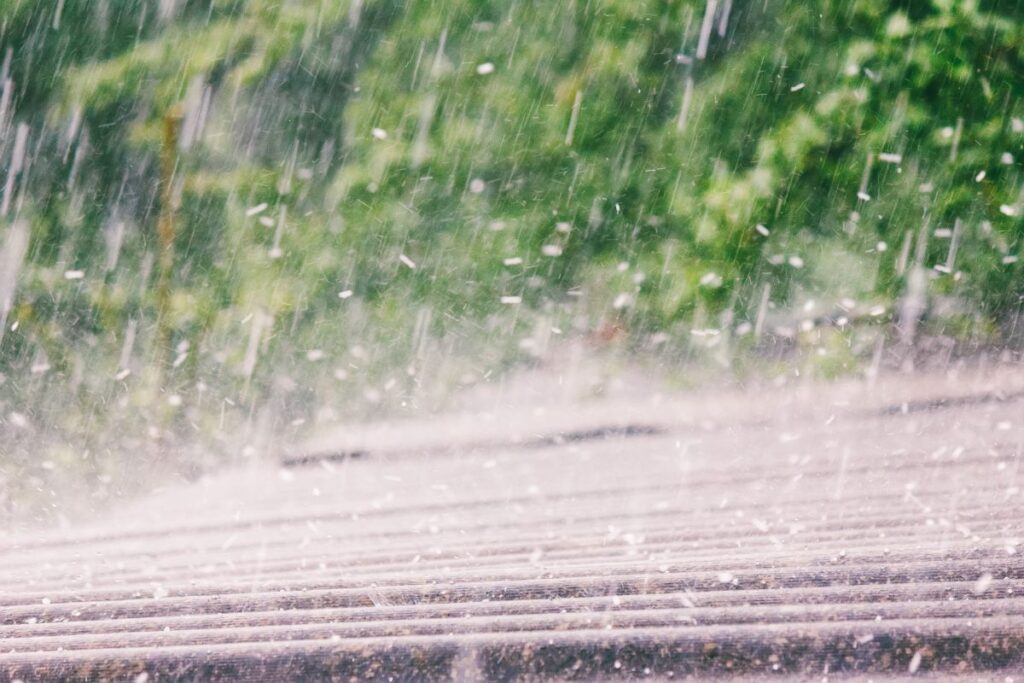
The local climate in La Crosse, WI and surrounding areas creates several roofing challenges throughout the year.
Winter Snow and Ice
- Heavy snow loads: Roofs must support significant winter accumulation.
- Ice dams: In Wisconsin, ice dams form when warm air escapes into the attic and melts snow on the roof, then the water refreezes near the eaves, creating a barrier that traps more meltwater and can force water beneath shingles.
- Freeze-thaw cycles: Repeated expansion and contraction weaken roofing materials.
- Thick ridges of ice are visible signs of poor drainage, and they often point to a lack of proper attic ventilation that may lead to leaks.
Winter weather is one of the leading causes of roof deterioration in Wisconsin, and long winters with frequent snowfalls make ice dams especially common. Trapped water can damage roof decking and insulation and cause leaks that may not show up until weeks or months later.
Spring and Summer Storms
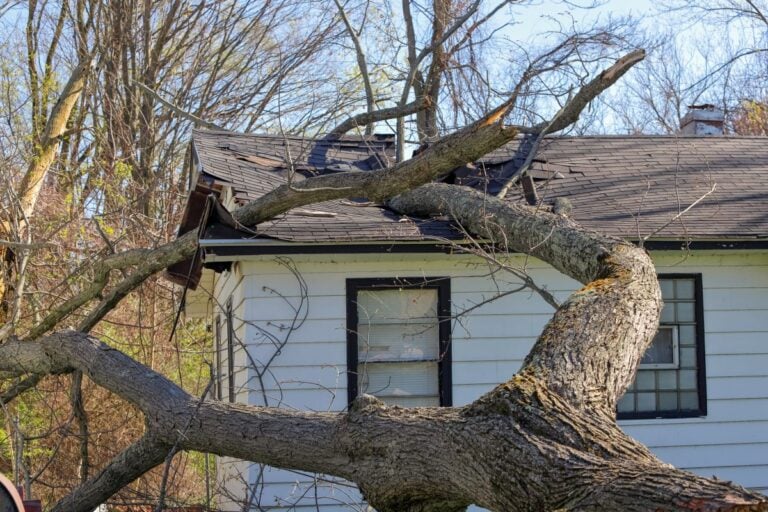
- High winds: Storms can loosen shingles and damage flashing.
- Heavy rainfall: Water tests the integrity of roofing systems and drainage, and heavy rain can expose visible damage.
- Hail damage: Hail impacts may crack shingles or dent metal roofing.
Storm damage is common during warmer months in the La Crosse area. After hail, high winds, or other major storms, schedule a professional inspection because some damage is hidden but can still cause significant harm.
Humidity and Seasonal Moisture
- Attic condensation: Poor ventilation can trap moisture inside the home.
- Mold risks: Excess moisture affects roofing materials and insulation.
- Premature aging: Humid conditions can accelerate roof deterioration.
Proper ventilation helps reduce moisture-related roofing problems.
Why Early Roof Repairs Matter
Small roofing problems often become much more expensive when ignored.
Prevent Interior Water Damage
- Drywall protection: Even minor leaks can spread into interior ceilings and walls quickly if left untreated.
- Flooring concerns: Water intrusion may affect wood or carpeted surfaces.
- Electrical risks: Moisture near wiring creates safety hazards.
Fast repairs help minimize interior damage costs.
Extend Roof Lifespan
- Localized repairs: Small fixes prevent larger structural problems.
- Storm resistance: Maintained roofs perform better during severe weather.
- Lower long-term costs: Preventive maintenance reduces major repair expenses.
Addressing damage early often adds years to a roof’s lifespan.
Avoid Structural Issues
- Decking protection: Water damage weakens wood beneath the roof surface.
- Mold prevention: Moisture buildup can affect indoor air quality.
- Foundation concerns: Poor drainage may contribute to exterior water problems.
Roofing issues often spread beyond the roof itself if left untreated.
How Often Should Roofs Be Inspected?
Routine inspections help identify problems before they become emergencies.
- Annual inspections: Most homes should be inspected once per year.
- Post-storm evaluations: Roofs should be checked after major storms.
- Older roofs: Aging roofing systems benefit from more frequent inspections.
- Seasonal maintenance: Spring and fall are ideal inspection times.
Professional evaluations help identify hidden storm damage and moisture issues before they turn into emergency repairs.
Frequently Asked Questions About Roof Damage
1. What is the most common type of roof damage in La Crosse?
Wind-damaged shingles and ice dam-related leaks are among the most common roofing issues in the area.
2. Can roof damage be hidden?
Yes. Many roofing problems begin beneath shingles or around flashing where homeowners cannot easily see them from the ground.
3. Should minor roof damage be repaired right away?
Absolutely. Small issues can quickly lead to larger leaks, structural damage, and mold if ignored, so minor problems should be repaired early, while widespread damage may make a full replacement the smarter long-term option instead.
Protect Your Home From Roof Damage
Understanding what signs of roof damage are common in la crosse wi homes helps homeowners stay proactive and protect their property from costly repairs. From missing shingles and flashing failures to moisture intrusion and storm damage, identifying warning signs early can make a major difference in the lifespan and performance of your roof.
For homeowners in La Crosse, WI and surrounding areas, regular roof maintenance and professional inspections are essential for handling harsh Midwest weather conditions year-round.
If you’ve noticed signs of roof damage or want a professional evaluation, contact First American Roofing & Siding, Inc. today for a free consultation and estimate and get expert guidance tailored to your home.