Best Roofing System For Commercial Buildings Eau Claire, WI

Written By: First American Roofing

06/23/26

9 Mins
Understanding what is the best roofing system for commercial buildings in eau claire wi is essential for property owners who want long-term durability, energy efficiency, and protection from Wisconsin’s unpredictable weather. Commercial buildings in Eau Claire, WI and surrounding areas face heavy snow, strong winds, seasonal storms, and major temperature swings, making roofing material selection one of the most important decisions for long-term building performance.
- Climate durability: Commercial roofs in Eau Claire must handle snow, ice, rain, and wind year-round.
- Energy efficiency: The right roofing system can help lower heating and cooling costs.
- Long-term value: Durable roofing materials reduce repair expenses and extend roof lifespan.
Why Commercial Roofing Selection Matters in Eau Claire
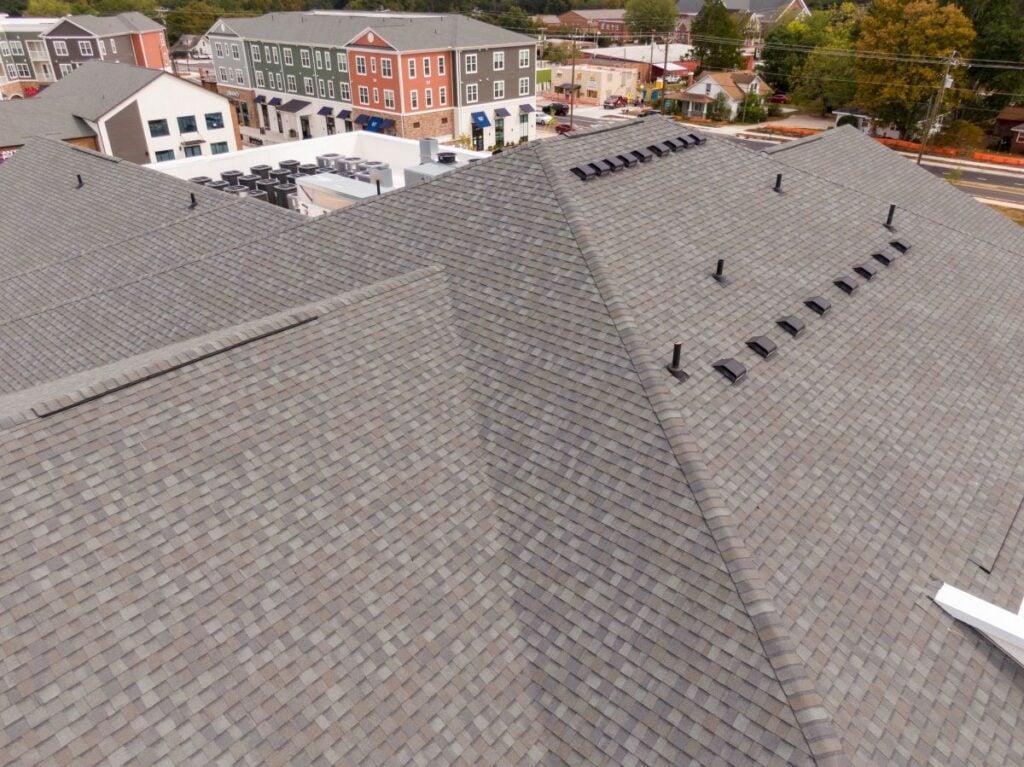
Commercial roofing systems do much more than simply keep water out of a building. They protect inventory, equipment, employees, tenants, and the overall structural integrity of the property. Choosing the wrong roofing system can lead to recurring leaks, insulation issues, higher utility bills, and expensive repairs.
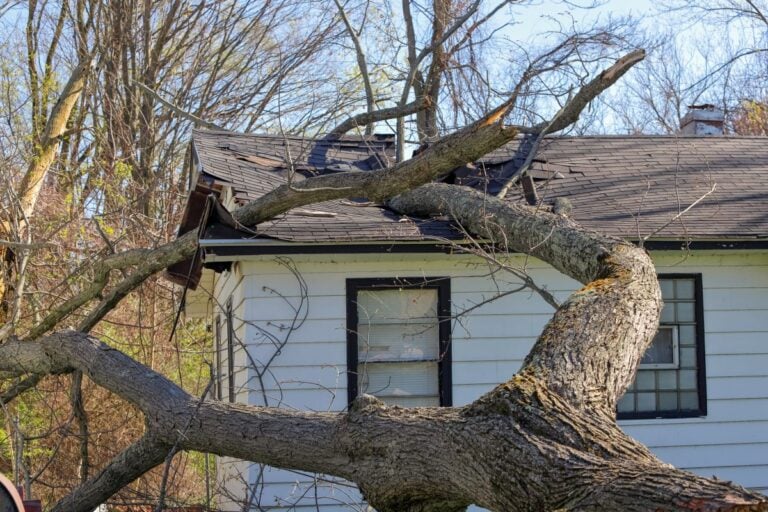
In Eau Claire, WI and surrounding areas, weather conditions place additional stress on commercial roofs. Snow accumulation creates heavy weight loads during winter, while freeze-thaw cycles can weaken seams and flashing over time. Summer heat and UV exposure also contribute to roofing deterioration.
Because many commercial buildings have low slope or flat roofs, proper drainage and waterproofing become especially important. The best roofing system is one that balances durability, efficiency, maintenance needs, and long-term cost savings.
Why Long-Term Roofing Solutions Matter for Commercial Properties
Commercial property owners in Eau Claire, WI and surrounding areas often face a frustrating cycle of repeated repairs that temporarily patch leaks without addressing the underlying roofing problems. While short-term fixes may seem less expensive initially, recurring repairs can quickly become more costly than investing in a properly designed roofing system from the beginning.
Industrial facilities, warehouses, retail centers, and mixed-use buildings all depend on reliable low slope roofing systems to protect inventory, tenants, equipment, and daily operations. A roofing system should be designed to maximize lifespan, improve drainage, and minimize future maintenance rather than simply delaying larger problems.
- Honest evaluations: A professional contractor should explain whether repairs are realistic or if replacement is the smarter long-term investment.
- Reduced downtime: Proper roofing systems help businesses avoid repeated disruptions from leaks and emergency service calls.
- Long-term value: Investing in durable materials and quality installation helps reduce lifecycle roofing costs.
This addition shifts the tone away from “sell repairs” and toward trusted long-term solutions.
6 Best Roofing Systems for Commercial Buildings
Different commercial properties have different needs depending on building size, industry, rooftop equipment, and budget. These roofing systems are among the most commonly recommended for buildings in Eau Claire.
1. TPO Roofing Systems
- Energy efficiency: White reflective membranes help reduce heat absorption.
- Affordable installation: One of the most cost-effective commercial roofing options.
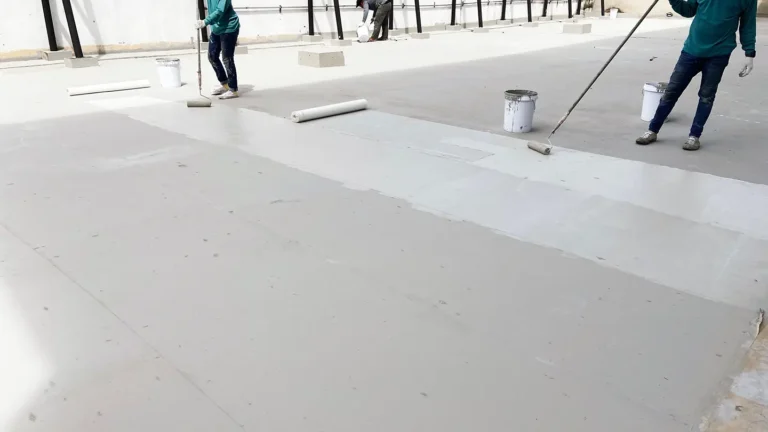
- Strong seam protection: TPO uses hot-air welded seams that create a continuous watertight sheet.
TPO roofing is one of the most popular single ply roofing options for commercial buildings because it offers strong performance at a relatively affordable price point, and it also provides better puncture resistance against hail than glued systems.
2. PVC Roofing Systems
- Chemical resistance: Excellent for restaurants and industrial buildings, and pvc roofs are especially well suited to restaurants because they resist animal fats and chemicals better than EPDM.
- Long lifespan: Often lasts 25 to 30 years or more.
- Waterproof seams: Heat-welded seams resist moisture penetration.
PVC roofing is commonly used on commercial buildings that experience grease, chemical exposure, or heavy rooftop equipment use.
3. EPDM Rubber Roofing
- Cold-weather flexibility: Performs well during Wisconsin winters.
- Cost-effective: Often less expensive than premium membrane systems.
- Proven durability: Long history of successful commercial use.
EPDM roofing remains a popular choice for warehouses and large flat-roof facilities.
4. Modified Bitumen Roofing
- Multi-layer protection: Reinforced layers improve durability.
- Foot traffic resistance: Strong surface handles maintenance activity well.
- Reliable waterproofing: Designed for long-term moisture protection.
Modified bitumen works well for buildings with frequent rooftop equipment access.
5. Built-Up Roofing (BUR)
- Heavy-duty protection: Multiple layers create a durable waterproof barrier.
- Long-term reliability: Proven commercial roofing system with decades of use.
- Excellent durability: Performs well under demanding conditions.
BUR systems are still commonly found on older commercial buildings and industrial facilities.
6. Spray Polyurethane Foam (SPF)
- Seamless coverage: Expands to fill cracks and gaps, creating a seamless barrier.
- Energy savings: High insulation value improves efficiency.
- Restoration option: Can often be applied over existing roofs.
SPF roofing is useful for restoring an existing roof in a cost effective way while improving insulation performance when properly installed.
Which Roofing System Is Best for Eau Claire Weather?
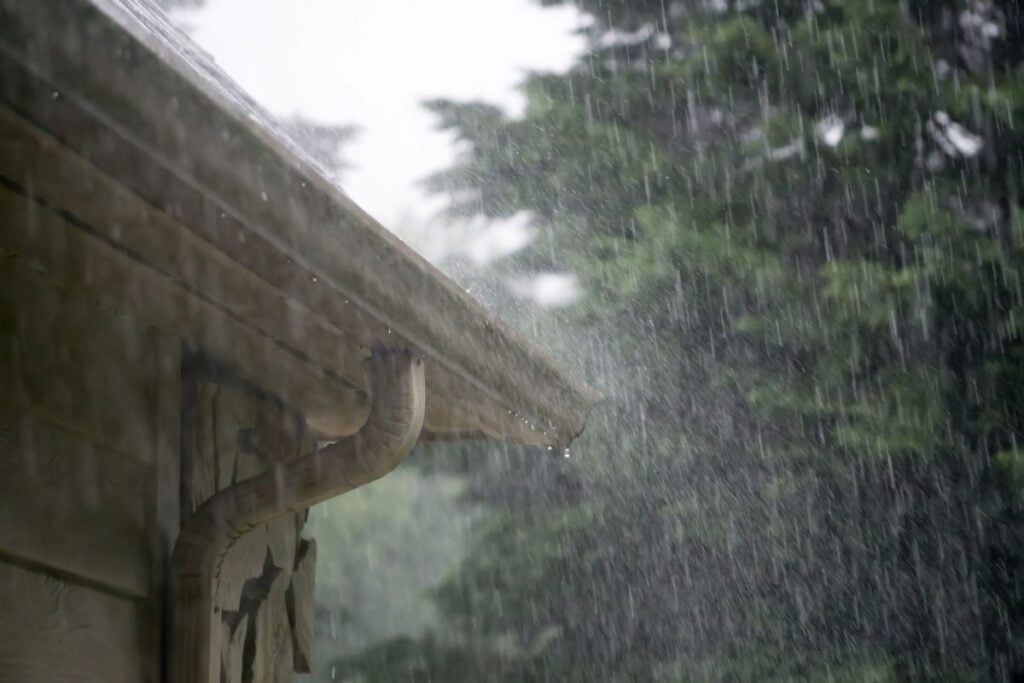
The climate in Eau Claire, WI and surrounding areas plays a major role in determining which roofing systems perform best long-term.
Snow and Ice Resistance
- Low slope drainage: Proper drainage prevents ponding water and ice buildup.
- Membrane flexibility: Roofing systems must handle freeze-thaw movement.
- Snow load durability: Strong materials help support winter accumulation.
PVC, TPO, and EPDM systems all perform well in cold-weather conditions when installed correctly. Standing seam metal roofs are also a strong option because they shed snow naturally and help reduce ice dams.
Wind and Storm Protection
- Seam strength: Heat-welded seams reduce leak risks during storms.
- Membrane attachment: Proper fastening prevents uplift damage.
- Impact resistance: Durable systems better withstand hail and debris.
Commercial roofs in Wisconsin must be prepared for severe seasonal weather.
Energy Efficiency Benefits
- Reflective membranes: White roofing surfaces reduce summer heat absorption.
- Lower cooling costs: Energy-efficient roofs improve building performance.
- Insulation compatibility: Roofing systems work with upgraded insulation layers.
Energy savings are especially important for larger commercial buildings with high HVAC demands.
Cost Comparison of Commercial Roofing Systems
Commercial roofing costs vary depending on roof size, insulation requirements, and installation complexity.
Typical installed cost ranges include:
| Roofing System | Average Installed Cost | Average Lifespan |
| TPO Roofing | $6–$10 per sq. ft. | 20–25 years |
| PVC Roofing | $7–$12 per sq. ft. | 25–30 years |
| EPDM Roofing | $5–$9 per sq. ft. | 20–30 years |
| Modified Bitumen | $6–$10 per sq. ft. | 20–25 years |
| BUR Roofing | $7–$12 per sq. ft. | 20–30 years |
| SPF Roofing | $7–$13 per sq. ft. | 20+ years |
These estimates vary depending on roof accessibility, repairs, and insulation upgrades.
How to Choose the Right Commercial Roofing System
Selecting the best roofing system depends on several building-specific factors.
- Building type: Warehouses, offices, restaurants, and retail buildings have different needs.
- Budget: Some systems cost more upfront but last longer.
- Maintenance expectations: Certain systems require more routine upkeep.
- Energy efficiency goals: Reflective roofing can reduce utility costs.
- Rooftop equipment: HVAC systems and foot traffic affect material selection.
Working with experienced commercial roofing professionals helps ensure the right system is selected for your property.
Signs Your Commercial Roof May Need Replacement
Even durable commercial roofs eventually require replacement.
Frequent Leaks
- Recurring repairs: Constant issues may indicate system-wide deterioration.
- Interior damage: Water intrusion affects ceilings and insulation.
- Moisture buildup: Persistent leaks can lead to mold problems.
Repeated leaks are often a sign that a commercial roofing system is reaching the point where ongoing patchwork repairs are no longer cost effective. Many building owners end up spending thousands on temporary fixes over several years without solving the root problem. For low slope commercial roofs in Eau Claire, a professional assessment can help determine whether restoration, re-covering, or full replacement would provide better long-term protection and lower overall maintenance costs.
Membrane Deterioration
- Cracks or blistering: Aging membranes weaken over time.
- Seam separation: Open seams increase leak risks.
- Surface wear: UV exposure gradually breaks down materials.
Visible deterioration should be evaluated professionally.
Rising Energy Costs
- Insulation breakdown: Older systems lose efficiency.
- Heat transfer: Damaged roofing allows more temperature fluctuation.
- HVAC strain: Buildings become harder to heat and cool, increasing energy bills.
Energy inefficiency is often overlooked as a roofing issue.
Low Slope Roofing Systems for Industrial and Mixed-Use Buildings
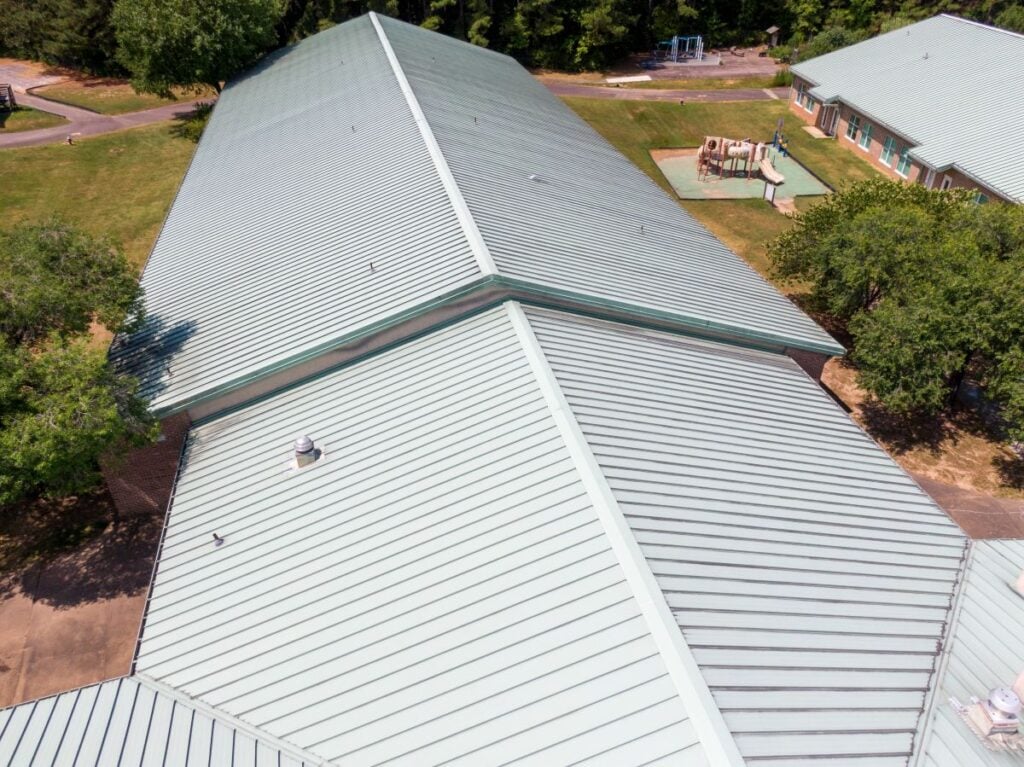
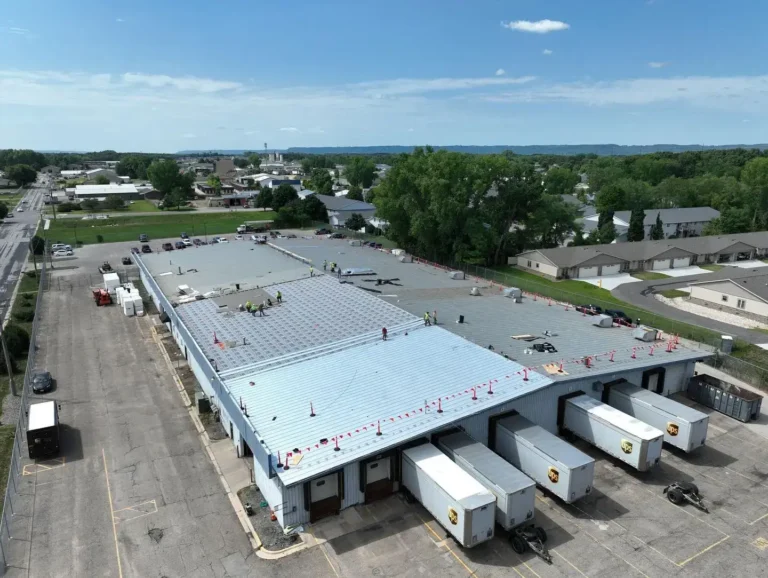
Most commercial buildings in Eau Claire, WI and surrounding areas use low slope roofing systems because they provide efficient coverage for large square footage and allow easier access to rooftop HVAC equipment. However, low slope roofs require specialized materials and installation methods to prevent ponding water, seam separation, and moisture infiltration.
Industrial and mixed-use properties often benefit from roofing systems designed specifically for long-term waterproofing and energy efficiency.
TPO for Large Industrial Facilities
- Reflective surface: Helps reduce cooling costs during warmer months.
- Strong seam welding: Creates watertight protection across large roof spans.
- Cost-effective performance: Popular for warehouses and manufacturing facilities.
PVC for Restaurants and Mixed-Use Buildings
- Chemical resistance: Handles grease and rooftop exhaust exposure well.
- Long-term durability: Excellent for buildings with frequent rooftop equipment use.
- Low maintenance: Resistant to moisture and standing water.
EPDM for Cold-Weather Flexibility
- Freeze-thaw performance: Flexible material handles Wisconsin winters effectively.
- Large building coverage: Common for warehouses and distribution centers.
- Reliable lifespan: Proven long-term roofing solution.
This better targets industrial and mixed-use property owners specifically.
Frequently Asked Questions About Commercial Roofing
1. What commercial roofing system lasts the longest? PVC and standing commercial metal systems are among the longest-lasting options, often exceeding 30 years with proper maintenance. Standing seam systems are also known for being low maintenance, and steel options can last 50 years or more.
2. Which roofing system is most energy efficient? TPO and PVC membranes are highly reflective and commonly used for energy-efficient commercial roofing projects.
3. How often should commercial roofs be inspected? Commercial roofs should have regular inspections at least twice per year and after major storms to catch minor problems before they turn into costly repairs.
4. Do commercial roofing projects in Eau Claire require a permit? Yes. New roof installation and re-roofing projects in Eau Claire require a building permit, and professional roof installation helps ensure the work meets local requirements.
Choose a Commercial Roofing System Built for Long-Term Performance
Understanding what is the best roofing system for commercial buildings in eau claire wi helps property owners make informed decisions that protect their building, reduce downtime, and avoid the cycle of repeated repairs that many aging commercial roofs experience.
For commercial property owners in Eau Claire, WI and surrounding areas, selecting the right low slope roofing system is about more than stopping leaks temporarily. It’s about investing in a roofing solution that delivers reliable long-term protection, energy efficiency, and predictable maintenance costs for your facility.
Whether you manage an industrial property, warehouse, office building, or mixed-use facility, the team at First American Roofing & Siding, Inc. focuses on honest recommendations and durable roofing systems designed for long-term performance rather than short-term patchwork repairs.
Contact First American Roofing & Siding, Inc. today for a free consultation and estimate to discuss the best commercial roofing solution for your building.