Who Provides Emergency Roof Repair in Eau Claire, WI Today?

Written By: First American Roofing

06/16/26

7 Mins
If you’re searching who provides emergency roof repair in eau claire wi, it’s important to find a roofing company that can respond quickly, assess storm damage accurately, and help prevent further problems to your home. In Eau Claire, WI and surrounding areas, emergency roof repairs are often needed after severe storms, wind damage, fallen trees, hail, or sudden leaks caused by snow and ice buildup.
- Fast response matters: Delaying repairs can allow water damage to spread quickly.
- Storms are unpredictable: Wisconsin weather can create roofing emergencies year-round.
- Professional repairs help: Temporary fixes and expert assessments protect your home from further damage.
What Counts as a Roofing Emergency?
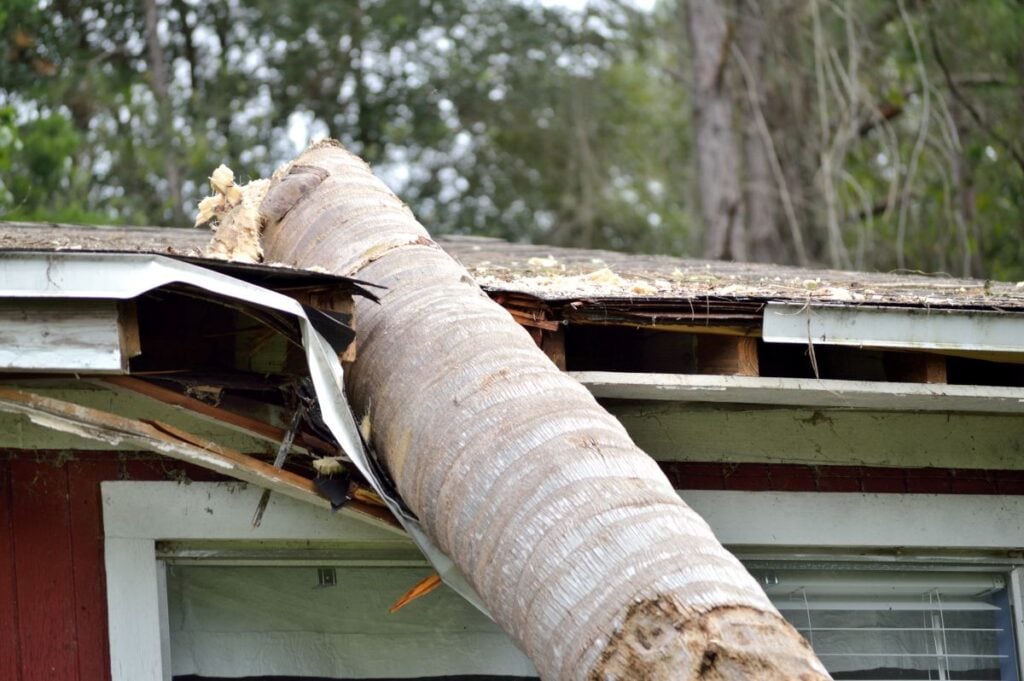
Not every roofing issue requires immediate service, but certain types of damage should be addressed as soon as possible to avoid major structural or interior problems.
A roofing emergency typically involves damage that exposes your home to water intrusion, structural weakening, or safety hazards. In Eau Claire, WI and surrounding areas, emergency situations often happen during storms, winter weather events, or periods of heavy rainfall.
Homeowners should never ignore signs of serious roof damage, especially if water is actively entering the home or large sections of roofing materials are missing.
Common Causes of Emergency Roof Repairs in Eau Claire
Several weather-related conditions commonly lead to emergency roofing situations in western Wisconsin.
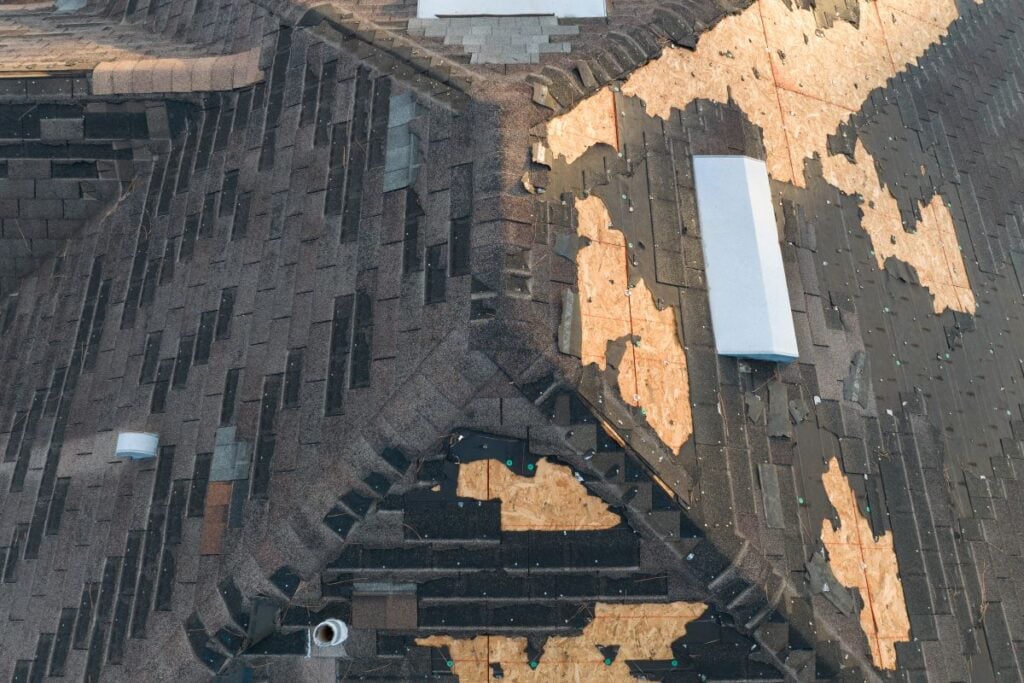
Severe Wind Damage
- Lifted shingles: Strong gusts can loosen or remove shingles completely.
- Exposed roof decking: Missing materials leave your home vulnerable to leaks.
- Flashing damage: Wind may pull flashing away from chimneys or vents.
Wind damage is one of the leading causes of emergency roofing calls in Eau Claire.
Hail Damage and Storm Impact
- Cracked shingles: Hail impacts weaken roofing materials.
- Granule loss: Protective surfaces wear away after storms.
- Hidden damage: Some hail damage is difficult to spot from the ground.
Even moderate hail can shorten the life of your roof if repairs are delayed.
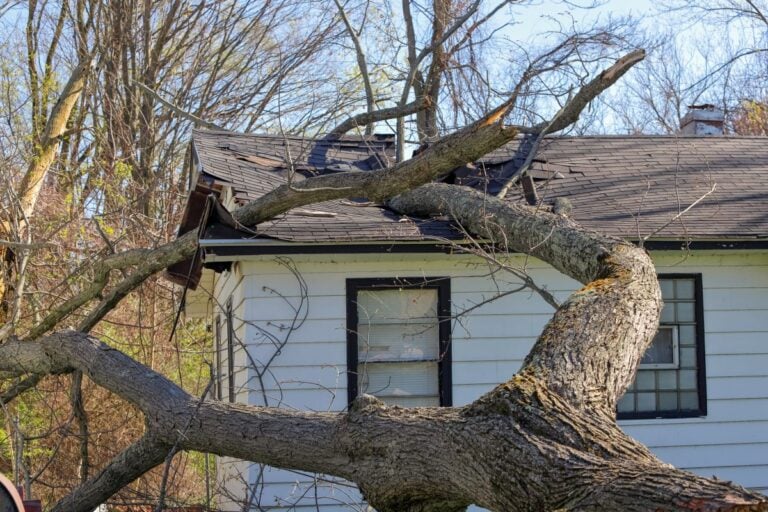
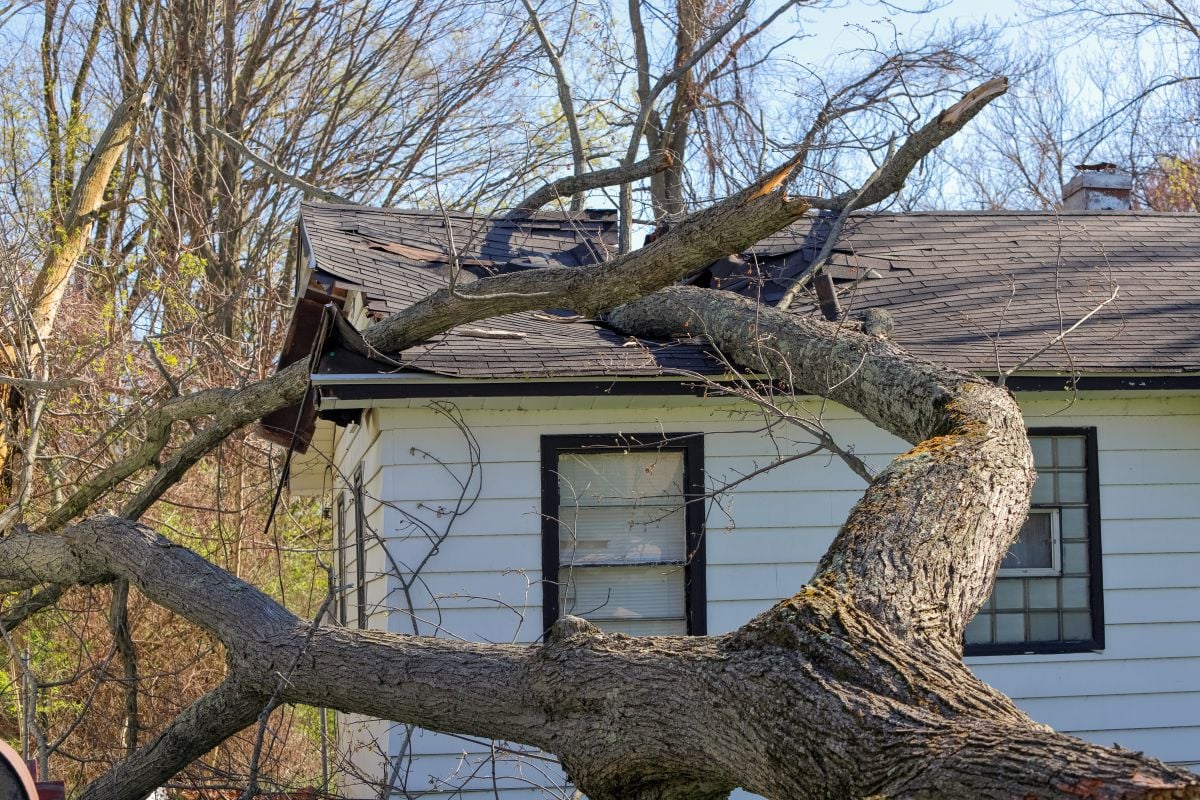
Fallen Trees and Debris
- Structural damage: Heavy branches can puncture roofing systems.
- Safety concerns: Tree impacts may weaken the roof structure.
- Immediate exposure: Open sections allow water to enter quickly.
Storm debris often requires urgent temporary protection until full repairs can be completed.
Ice Dams and Winter Leaks
- Snowmelt backup: Water becomes trapped beneath shingles.
- Interior leaks: Moisture enters attics, ceilings, and walls.
- Freeze-thaw cycles: Constant expansion weakens roofing materials.
Wisconsin winters create some of the most common emergency roofing situations.
Heavy Rain and Flashing Failures
- Overflow issues: Water may penetrate around roof penetrations.
- Sealant deterioration: Aging flashing allows moisture entry.
- Rapid leak development: Small openings can become major leaks during storms.
Leaks often worsen quickly during prolonged rainfall.
5 Signs You Need Emergency Roof Repair
Before you decide whether your roof issue can wait, it helps to know which problems require immediate professional attention. These warning signs often indicate your home is vulnerable to water intrusion, structural weakening, or rapidly worsening storm damage. In Eau Claire, WI and surrounding areas, acting quickly after severe weather can help prevent much larger and more expensive repairs later.
1. Active Water Leaks Inside Your Home
- Ceiling stains: Brown spots or bubbling paint often indicate water intrusion.
- Dripping water: Active leaks during storms require immediate attention.
- Attic moisture: Wet insulation can lead to mold and structural damage.
Even a small leak can spread quickly and damage drywall, flooring, and insulation.
2. Missing or Lifted Shingles
- Visible bare areas: Missing shingles expose the roof underlayment.
- Wind damage: Strong storms in Eau Claire can loosen roofing materials.
- Higher leak risk: Exposed sections allow water to penetrate the roof system.
Roof damage caused by wind often becomes worse after additional storms.
3. Fallen Trees or Debris on the Roof
- Structural concerns: Heavy branches may damage decking or framing.
- Puncture risks: Sharp debris can create openings in roofing materials.
- Safety hazards: Impact damage should be inspected professionally right away.
Even if damage looks minor from the ground, hidden structural issues may exist.
4. Sagging Roof Areas
- Water saturation: Moisture trapped beneath the roof can weaken support structures.
- Snow load stress: Heavy winter accumulation may contribute to sagging.
- Potential collapse risk: Structural movement should never be ignored.
Sagging areas often indicate serious underlying damage that requires urgent evaluation.
5. Flashing or Gutter Separation
- Loose flashing: Water can enter around chimneys, skylights, and vents.
- Detached gutters: Overflowing water may damage siding and foundations.
- Drainage problems: Improper water flow increases leak risks.
Flashing and gutter issues may seem minor at first but often lead to major water damage if left unresolved.
What Happens During Emergency Roof Repair?
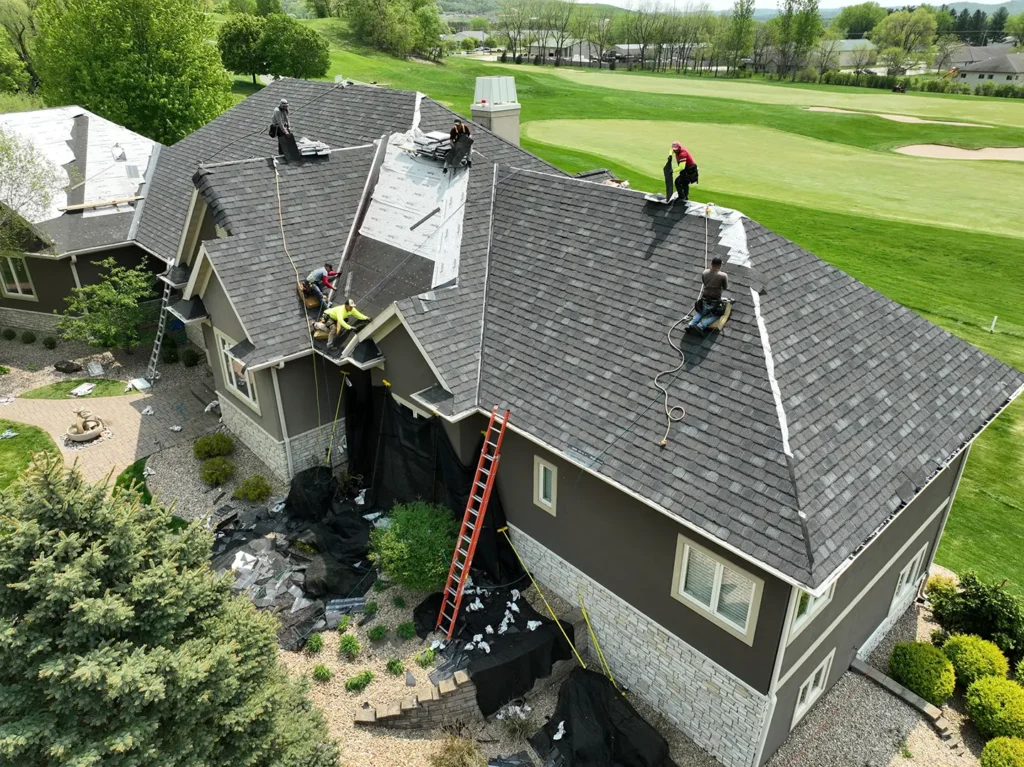
Emergency roofing service typically focuses first on stabilizing the situation and preventing additional damage.
Initial Damage Assessment
- Exterior inspection: Roofing professionals identify visible damage.
- Interior evaluation: Attics and ceilings are checked for moisture intrusion.
- Safety review: Structural concerns are assessed before repairs begin.
This helps determine the severity of the emergency, and experienced roofing experts apply industry best practices and proven practices during assessment, ensuring safe and reliable next steps.
Temporary Protective Measures
- Emergency tarping: Exposed areas are covered to prevent further leaks.
- Debris removal: Damaged materials and branches may be cleared.
- Drainage protection: Gutters and roof drains are checked for blockages.
Temporary protection is often critical during active storms or ongoing rain.
Permanent Repair Planning
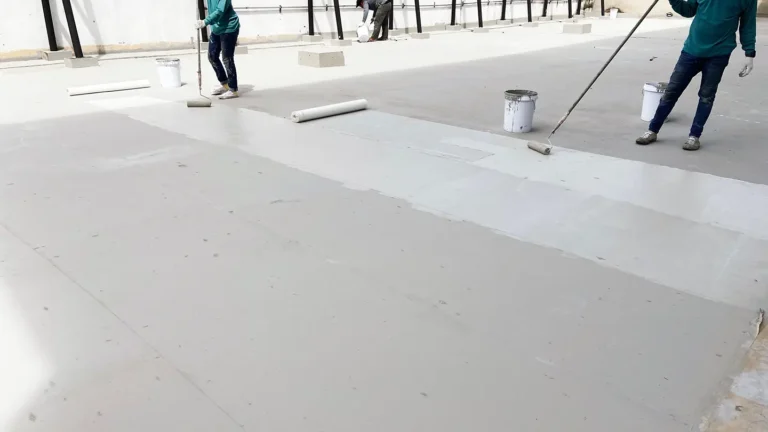
- Material replacement: Damaged shingles, flashing, or decking are repaired using high quality materials for better long-term durability and lower long-term cost. For permanent repair planning in Eau Claire, common options include asphalt shingles, metal roofing, EPDM rubber, PVC vinyl, and flat-roof membranes.
- Insurance documentation: Photos and reports may support claims.
- Long-term solutions: Contractors evaluate whether repairs or replacement are best.
The goal is to fully restore the roof’s performance and durability.
How Quickly Should Emergency Roof Repairs Be Addressed?
Roofing emergencies should be handled as quickly as possible.
- Water damage spreads fast: Moisture can ruin insulation and drywall within hours.
- Mold growth risk: Damp conditions create ideal environments for mold.
- Structural deterioration: Continued exposure weakens decking and framing.
- Insurance complications: Delays may affect coverage in some situations.
Fast action helps reduce both repair costs and long-term damage.
Insurance and Emergency Roof Repairs
Homeowners insurance often covers storm-related emergency roofing damage.
Damage Commonly Covered
- Wind damage
- Hail damage
- Fallen tree impacts
- Storm-related leaks
Coverage depends on the policy and cause of damage.
Documentation Matters
- Photos of damage: Helps support insurance claims.
- Professional inspection reports: Provide detailed assessments.
- Repair estimates: Insurance companies often require contractor documentation.
Keeping records organized can speed up the claims process.
How to Reduce the Risk of Roofing Emergencies
While some emergencies are unavoidable, preventive maintenance helps reduce risks significantly.
- Schedule annual roof inspections
- Repair damaged shingles promptly
- Clean gutters regularly
- Trim overhanging tree branches
- Monitor attic ventilation and insulation
Routine maintenance helps identify weak points before storms occur.
Frequently Asked Questions About Emergency Roof Repair
1. Can emergency roof repairs be completed during winter?
Yes. Temporary and permanent repairs can often be performed during winter depending on weather conditions and the type of damage.
2. Should I call a roofer if I only notice a small leak?
Yes. Even small leaks can quickly lead to mold, insulation damage, and structural issues if ignored.
3. Will insurance cover emergency tarping?
In many cases, yes. Insurance policies often cover temporary protective measures that help prevent additional damage.
Get Fast Help for Emergency Roof Damage
Understanding who provides emergency roof repair in eau claire wi helps homeowners act quickly when severe weather or sudden leaks threaten their property. Fast response times, professional assessments, and quality repairs are essential for protecting your home and preventing additional damage.
For homeowners in Eau Claire, WI and surrounding areas, working with experienced roofing professionals ensures your roof receives the urgent attention it needs during emergencies.
If your home has experienced storm damage, active leaks, or sudden roofing problems, contact First American Roofing & Siding, Inc. today for a free consultation and estimate and get expert emergency roofing support when you need it most.