5 Commercial Roofing Systems Commonly Used in Winona, MN

Written By: First American Roofing

06/18/26

8 Mins
Understanding what types of commercial roofing systems are used in winona wi is important for business owners and property managers looking to protect their buildings from long-term weather damage, energy loss, and costly repairs. In Winona, MN and surrounding areas, commercial properties face heavy snow, freeze-thaw cycles, strong winds, and seasonal storms, making roofing system selection critical for long-term building performance.
- Climate durability: Commercial roofs in the Midwest must withstand snow, rain, wind, and temperature swings.
- Low slope performance: Most commercial buildings use flat or low slope roofing systems that require specialized materials.
- Long-term value: Choosing the right system helps reduce maintenance costs and prevent recurring leaks.
Why Commercial Roofing Systems Matter in Winona
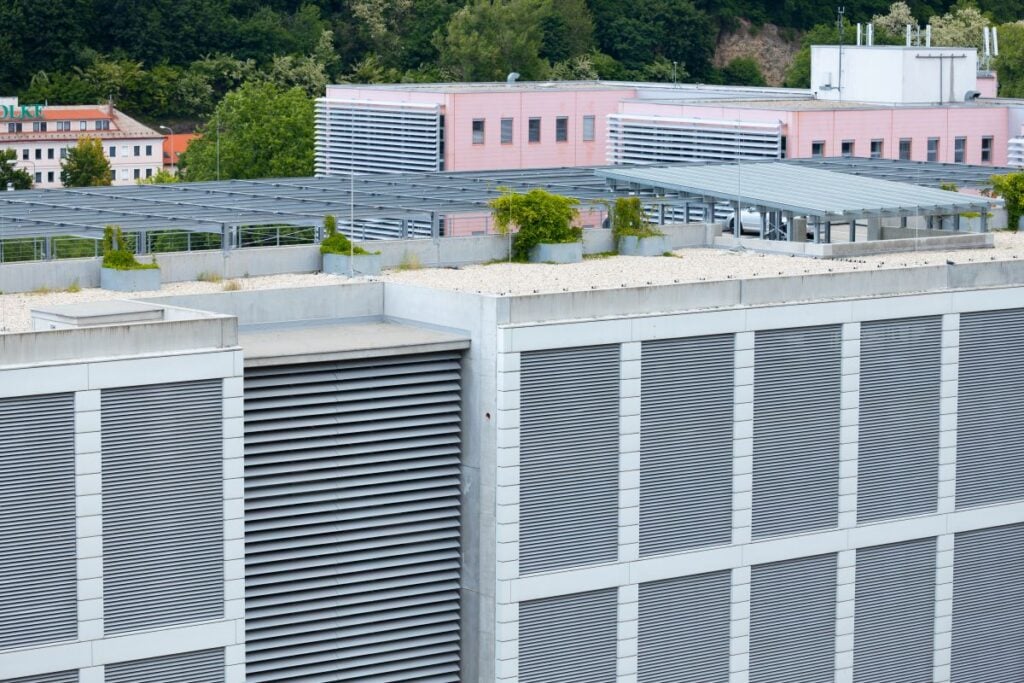
Commercial roofing systems are designed differently than residential roofs because they often cover much larger surface areas and typically have low slope or flat roof designs. These systems must handle rooftop HVAC equipment, drainage management, foot traffic, and long-term waterproofing.
Buildings in Winona, MN and surrounding areas experience demanding weather conditions throughout the year. Snow accumulation during winter places additional stress on roofing systems, while spring rain and summer heat create expansion and contraction that can weaken roofing materials over time.
Because commercial roofs protect inventory, equipment, tenants, and operations, choosing the right system is one of the most important investments a property owner can make.
5 Commercial Roofing Systems Commonly Used in Winona
Each roofing system offers different advantages depending on the building type, budget, maintenance expectations, and long-term performance goals.
1. TPO Roofing Systems
- Energy efficiency: White reflective membranes help lower cooling costs in warm months.
- Heat-welded seams: Strong seams improve waterproofing performance.
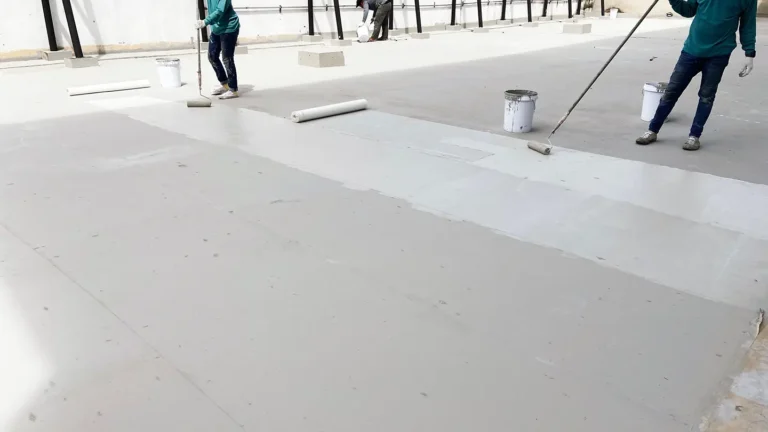
- Cost-effective installation: A thermoplastic polyolefin system is a popular single ply choice for large commercial buildings and warehouses.
TPO roofing is one of the fastest-growing commercial roofing systems in the Midwest because single ply membranes offer ease of installation, versatility, and a durable option for flat roofs.
In Winona, TPO performs well on retail buildings, office facilities, industrial spaces, and mixed-use commercial properties where energy savings and low maintenance are important priorities.
2. EPDM Rubber Roofing
- Cold-weather flexibility: Performs well during Minnesota winters.
- Long lifespan: Properly maintained EPDM roofs typically last about 20 to 30 years with proper care and are considered minimal maintenance.
- Large roof coverage: Commonly used on warehouses and industrial facilities.
EPDM roofing, or ethylene propylene diene monomer, has been widely used for commercial buildings for many years because of its durability and ability to handle freeze-thaw conditions.
For commercial buildings in Winona, MN and surrounding areas, EPDM is especially valuable for properties that experience heavy snow accumulation and extreme seasonal temperature swings. These systems remain flexible in cold weather and are highly resistant to UV exposure and weather extremes.
3. PVC Commercial Roofing
- Chemical resistance: Excellent for restaurants and industrial buildings.
- Strong waterproof seams: Heat-welded seams reduce leak risks.
- Durability: polyvinyl chloride roofing is highly resistant to chemicals and oils and also offers enhanced fire safety.
PVC roofing is often recommended for buildings with rooftop exhaust systems, restaurants, manufacturing facilities, or buildings with heavy rooftop equipment.
Because PVC roofing resists standing water and chemical exposure, it works well for commercial buildings that require long-term waterproofing performance.
4. Modified Bitumen Roofing
- Multi-layer construction: Reinforced layers improve durability.
- Foot traffic resistance: Handles maintenance traffic well.
- Reliable waterproofing: Designed for long-term moisture protection.
Modified bitumen roofing systems are commonly used on commercial buildings with frequent rooftop access for HVAC maintenance and servicing because they are durable, reinforced for puncture resistance, and well suited to flat roofs.
In colder climates like Winona, modified bitumen systems offer strong protection against moisture infiltration and temperature-related expansion and contraction.
5. Built-Up Roofing (BUR)
- Heavy-duty durability: A built up roof uses multiple layers of bitumen and roofing membrane for strong waterproofing protection.
- Long performance history: Built-Up Roofing (BUR) has been used for over a century and remains one of the oldest, most reliable options for low-slope commercial roofs, with strong resistance to UV exposure.
- Excellent redundancy: Asphalt or coal tar layers are typically finished with gravel or gravel surfacing to reduce leak risks and protect the system.
Built-up roofing systems are often found on older commercial properties and industrial facilities where long-term durability is prioritized over aesthetics.
BUR systems continue to perform well on many low slope buildings throughout the Midwest.
Why Low Slope Roofing Systems Are Common for Commercial Buildings
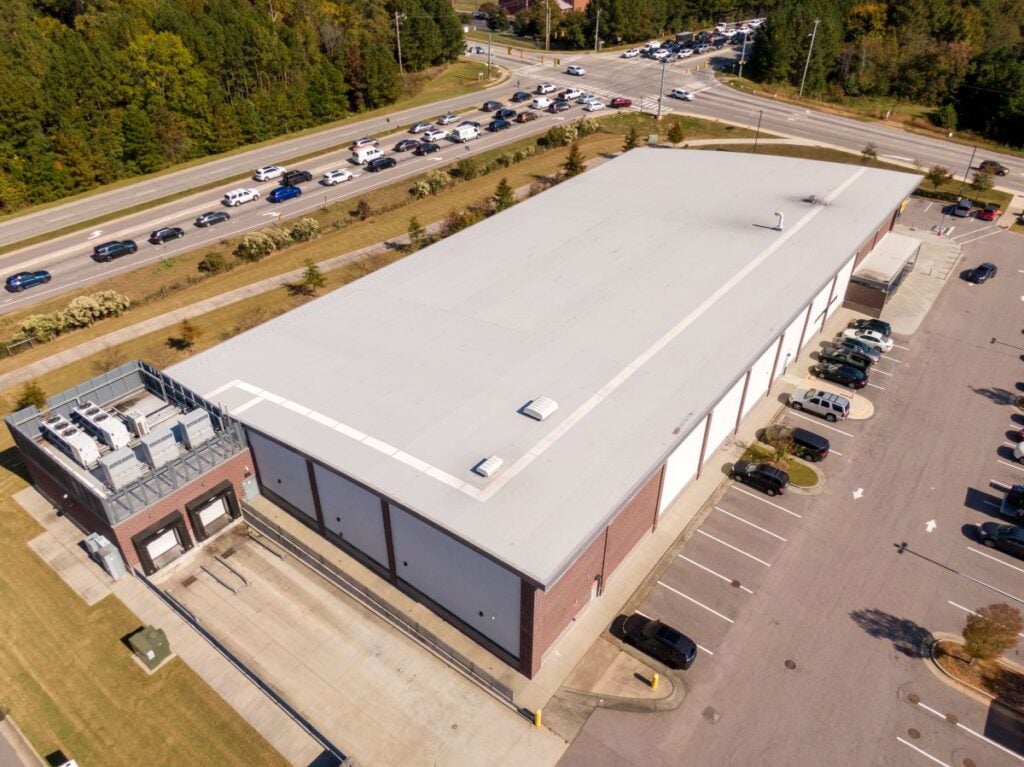
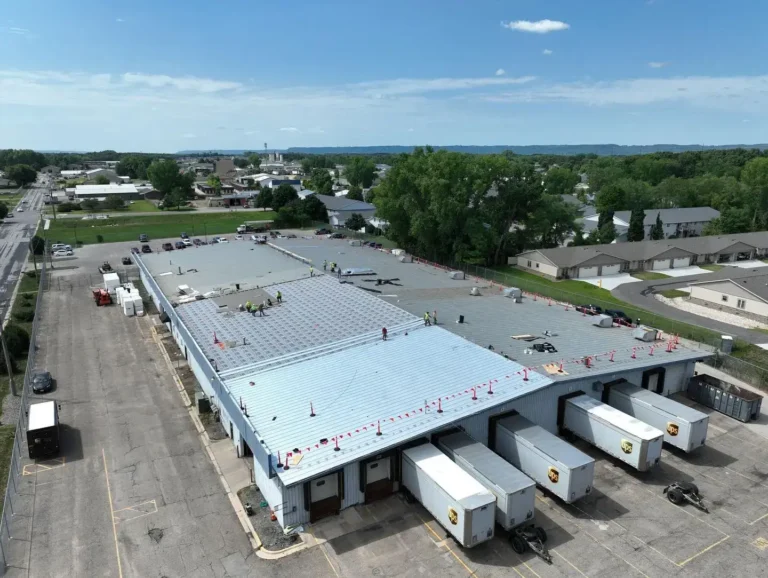
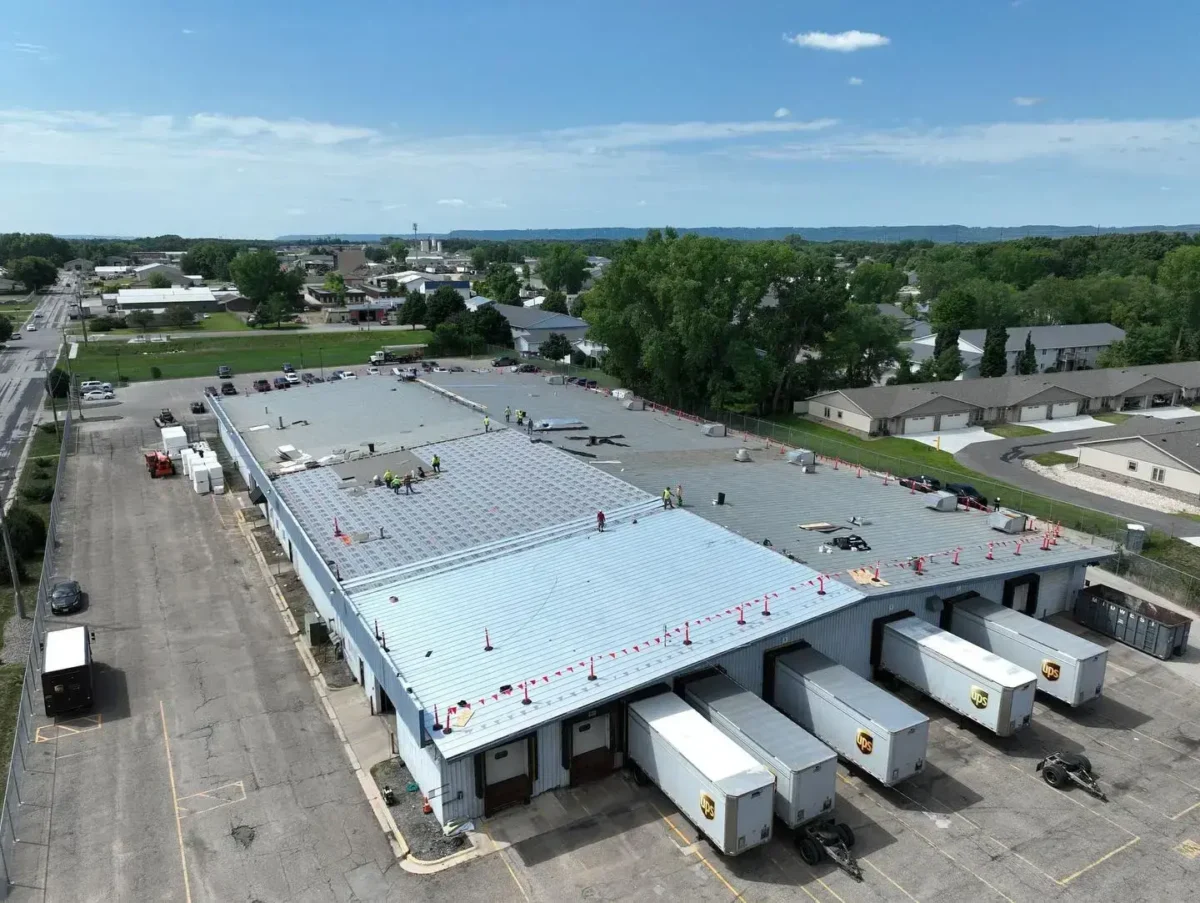
Most commercial properties use low-slope roofing because it is practical and cost effective across large roof areas, and flat roofs need materials that stay watertight, flexible, and strong year-round because they do not shed water as easily as steep-slope roofs.
Efficient Coverage for Large Buildings
- Large surface areas: Low slope systems work well for warehouses and retail spaces.
- Simplified installation: Flat surfaces reduce installation complexity.
- Lower construction costs: Often more economical for commercial projects.
Low slope roofs are especially common for industrial and mixed-use buildings.
Easier Rooftop Equipment Access
- HVAC accessibility: Technicians can safely access rooftop systems.
- Maintenance convenience: Flat surfaces simplify inspections and repairs.
- Equipment flexibility: Rooftops can support multiple commercial systems.
This is one reason flat roofing systems remain so popular for commercial construction.
Drainage and Waterproofing Requirements
- Proper drainage design: Commercial roofs rely on drains and tapered systems.
- Ponding water prevention: Specialized membranes resist standing water.
- Seam durability: Waterproof seams are critical for long-term performance.
Professional installation is essential for successful low slope roofing systems. Proper roof ventilation helps prevent heat and humidity buildup that can cause mold and premature roof failure, supporting a longer lifespan.
How Winona Weather Impacts Commercial Roof Performance
The local climate in Winona, MN and surrounding areas significantly affects commercial roofing lifespan and maintenance needs.
Heavy Snow and Ice
- Snow load stress: Roofs must support significant winter accumulation.
- Ice buildup: Freeze-thaw cycles can weaken seams and flashing.
- Drainage concerns: Snowmelt must properly flow off the roof surface.
Commercial roofs in Minnesota must be built for winter durability. Standing seam metal roofing helps shed snow to reduce structural weight stress, resists extreme weather, and can last 40 to 70 years.
Strong Winds and Storms
- Membrane uplift risks: Wind can loosen poorly secured roofing systems.
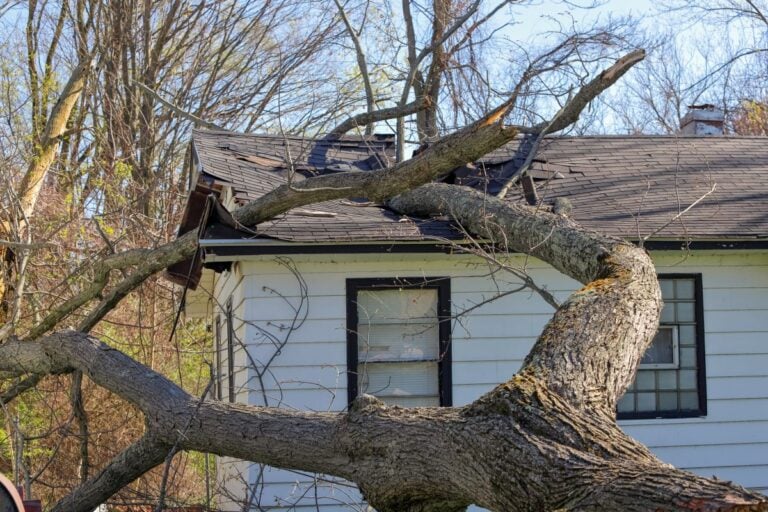
- Storm debris: Rooftop damage may occur during severe weather.
- Hidden leaks: Storm damage often develops slowly over time.
Routine inspections help identify weather-related damage early.
Seasonal Temperature Swings
- Expansion and contraction: Roofing materials constantly move with temperature changes.
- Seal deterioration: Flashing and seams weaken over time.
- Material stress: Seasonal shifts accelerate aging.
These conditions make regular maintenance and regular inspections especially important for extending roof lifespan by catching minor issues before they become major repairs.
Signs a Commercial Roofing System May Need Attention
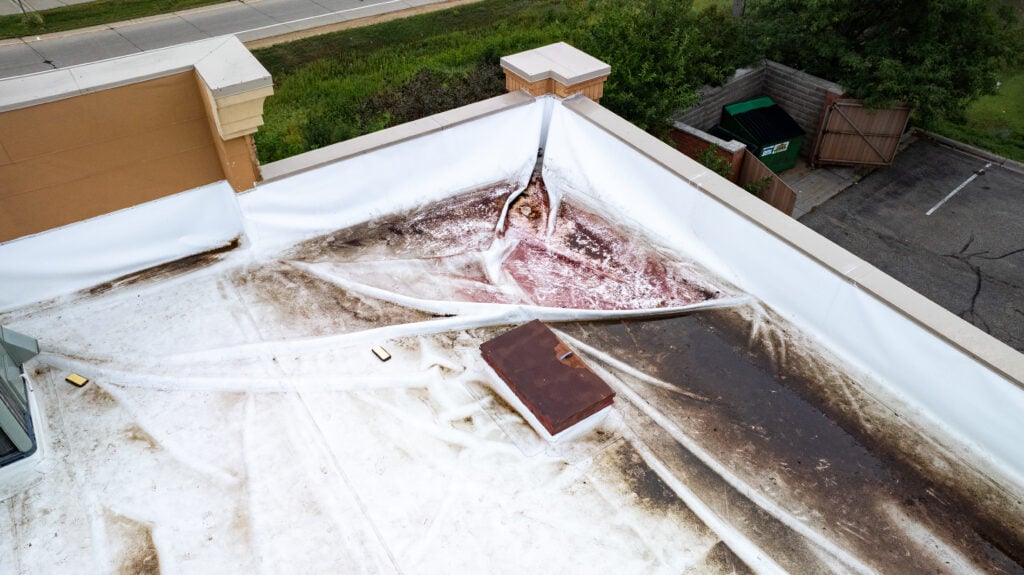
Commercial property owners should monitor for warning signs that indicate repairs or replacement may be needed.
Recurring Roof Leaks
- Interior water stains: Moisture intrusion often signals membrane issues.
- Frequent repairs: Repeated patching may indicate larger problems.
- Mold or insulation damage: Persistent leaks affect building interiors.
Recurring leaks often suggest the roof system is aging.
Ponding Water
- Standing water: Poor drainage increases membrane stress.
- Surface deterioration: Ponding accelerates roof aging.
- Leak risks: Water eventually finds weak points in the system.
Drainage issues should be corrected quickly.
Membrane Damage
- Cracks or blisters: Aging materials weaken over time.
- Open seams: Separated seams increase leak potential.
- Visible wear: UV exposure gradually deteriorates roofing materials.
Routine inspections help identify these problems early.
Frequently Asked Questions About Commercial Roofing Systems
1. What is the most popular commercial roofing system in Winona?
TPO roofing is one of the most commonly used systems because it offers energy efficiency, durability, and cost-effective installation.
2. How long do commercial roofing systems typically last?
Most commercial roofing systems last between 20 and 30 years depending on the material, installation quality, and maintenance schedule.
3. How often should commercial roofs be inspected?
Commercial roofs should generally be professionally inspected at least twice per year and after major storms, especially on industrial roofing and other large commercial properties exposed to severe weather.
Choose the Right Commercial Roofing System for Your Building
Understanding what types of commercial roofing systems are used in winona wi helps business owners and property managers make informed decisions that improve building protection, reduce maintenance costs, and support long-term property value.
For commercial properties in Winona, MN and surrounding areas, selecting the right low slope roofing system is essential for handling Midwest weather conditions and preventing costly disruptions.
Whether you manage a warehouse, office building, retail property, or industrial facility, working with experienced commercial roofing professionals helps ensure your roof is built for long-term performance.
Contact First American Roofing & Siding, Inc. today for a free consultation and estimate to discuss the best commercial roofing solution for your property.