Choosing The Right Vertical Siding For Your Home in 2026

Written By: First American Roofing

02/17/26

6 Mins
With more homeowners prioritizing unique curb appeal and low-maintenance materials, vertical siding options have quickly gained popularity heading into 2026. Once reserved for barns and outbuildings, vertical siding has evolved into a modern, stylish choice for residential homes, especially in areas like La Crosse, WI, where traditional meets contemporary architecture.
- Distinctive design: Vertical siding gives your home a sleek, fresh look that stands out.
- Durable materials: Options like fiber cement and steel stand up to Midwest weather.
- Versatile pairings: Vertical siding works well with horizontal lap or stone for bold contrast.
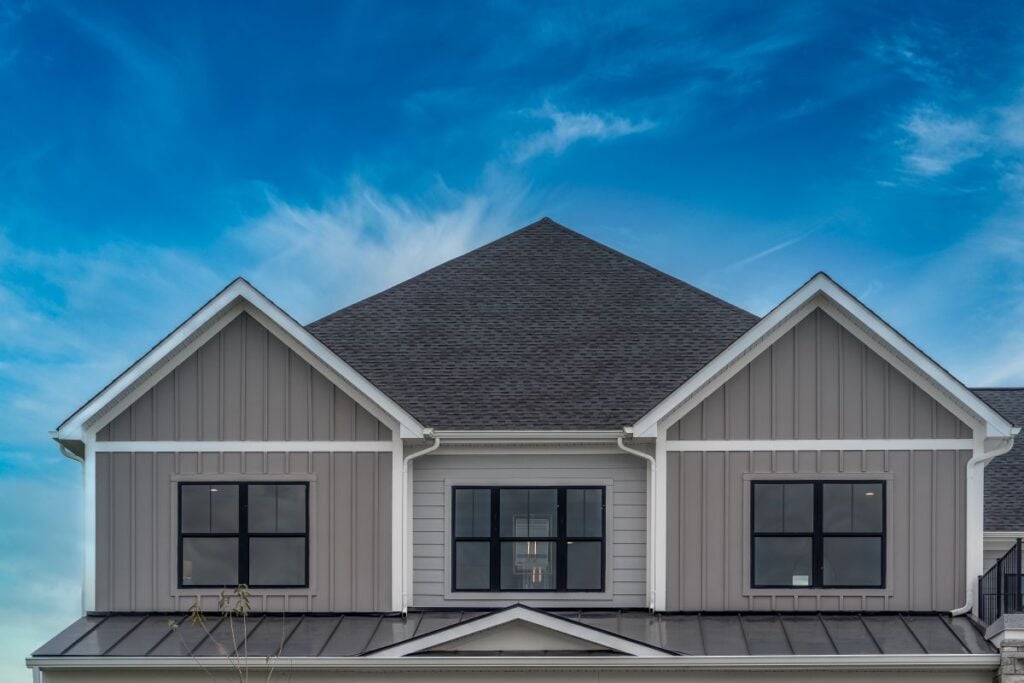
Why Consider Vertical Siding for Your Home?
While horizontal lap siding remains the default for many homes, vertical siding brings design flexibility and added character. Whether you want full vertical coverage or just an accent on gables or dormers, this style is a great way to modernize your exterior.
Vertical siding also offers functional benefits. Because water naturally drains along its vertical lines, there are fewer areas for moisture to settle. This can mean less maintenance and reduced risk of mold or mildew in wet climates. Plus, many vertical siding systems are designed with interlocking panels or hidden fasteners, improving durability and reducing air infiltration.
Let’s take a closer look at the best vertical siding styles and materials for 2026 and what to consider when choosing the right one for your home.
7 Vertical Siding Options to Consider in 2026
From classic board-and-batten styles that evoke timeless charm to sleek, ultra-modern metal panels designed for cutting-edge aesthetics, today’s vertical siding types provide an impressive combination of curb appeal, structural performance, and long-term value for your home’s exterior.
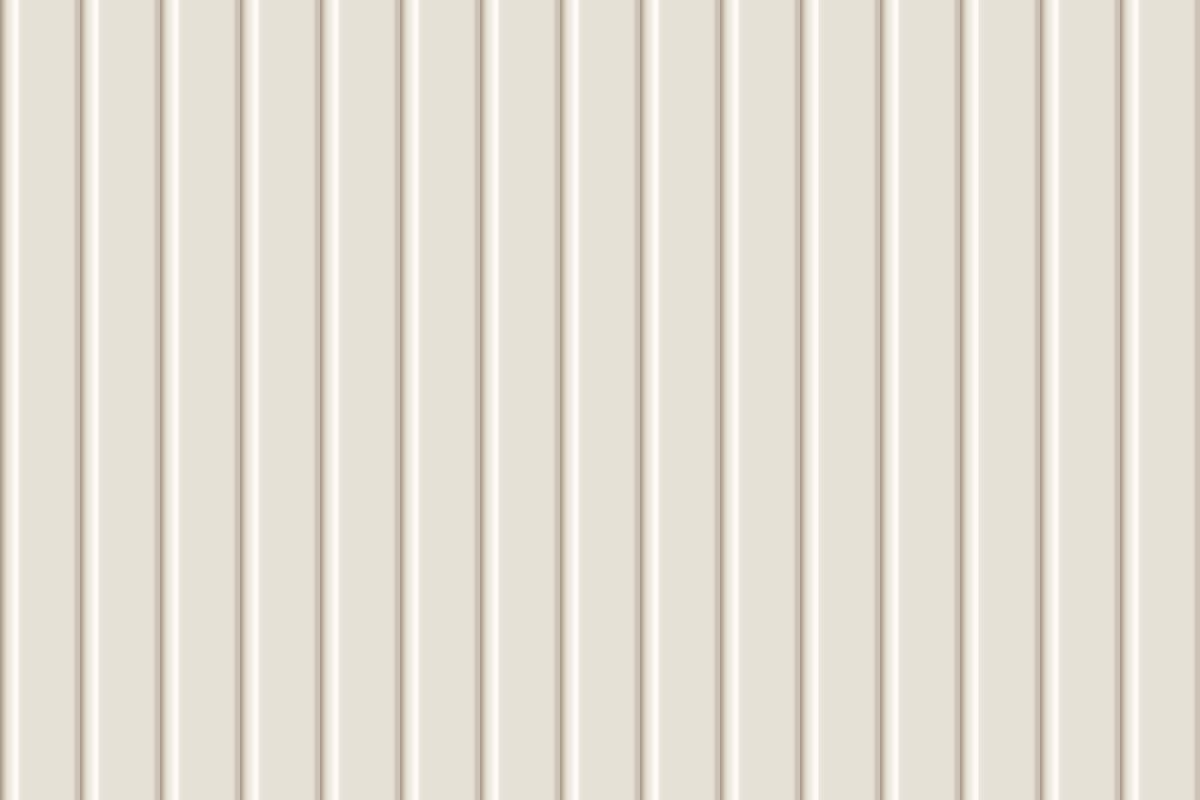
1. Board and Batten Siding
Board and batten is the most recognized form of vertical siding, offering a classic look that suits both rustic and modern homes.
- Design style: Alternating wide boards and narrow battens create depth and rhythm.
- Material options: Available in vinyl, engineered wood, fiber cement, and real wood.
- Visual impact: Adds height and dimension, especially to single-story homes.
This timeless style is popular for accent walls or full siding applications.
2. Vertical Vinyl Siding
Vinyl remains one of the most affordable and versatile materials for vertical siding.
- Cost-effective: Great for homeowners on a budget.
- Low maintenance: Resistant to rot, insects, and fading.
- Color variety: Available in a wide range of tones and textures.
Modern vertical vinyl systems feature locking panels for better weather performance.
3. Vertical Fiber Cement Siding
For homeowners seeking longevity and durability, fiber cement vertical panels are a smart choice.
- Weather-resistant: Handles heavy snow, hail, and temperature swings in La Crosse.
- Fire-resistant: A great option for safety-conscious homeowners.
- Custom finishes: Can be painted or prefinished to mimic woodgrain or smooth styles.
Fiber cement is heavier and may require professional installation but delivers long-term value.
4. Vertical Engineered Wood Siding
Engineered wood siding blends the look of real wood with modern performance benefits.
- Durable core: Resists moisture, termites, and impact damage.
- Natural appearance: Textured finishes give an authentic wood look.
- Lighter weight: Easier to install than fiber cement.
It’s a great option for homeowners who want a warm, traditional look with lower upkeep.
5. Metal Vertical Panels
Steel and aluminum vertical siding are growing in popularity for their sleek, modern appearance and unbeatable durability.
- Ultra-durable: Resistant to fire, pests, rot, and extreme weather.
- Modern aesthetic: Clean lines and reflective finishes make homes stand out.
- Sustainable: Many panels are made from recycled materials.
Great for contemporary builds or bold remodels.
6. Composite Vertical Siding Panels
Newer composite materials offer a mix of resins, polymers, and wood fibers for enhanced performance.
- Moisture-resistant: Less prone to warping or swelling.
- Long-lasting color: Engineered finishes resist UV fading.
- Custom sizes and designs: Great for architects and homeowners who want design flexibility.
This option often comes with longer warranties and a premium price point.
7. Vertical Shiplap or V-Groove Panels
For a clean, uniform look, vertical shiplap offers seamless lines and a minimal aesthetic.
- Precision look: Interlocking edges hide fasteners for a finished appearance.
- Perfect for accents: Ideal for dormers, entryways, or full-wall statements.
- Material versatility: Available in wood, fiber cement, and engineered wood.
Shiplap is gaining popularity in high-end homes and modern farmhouse renovations.
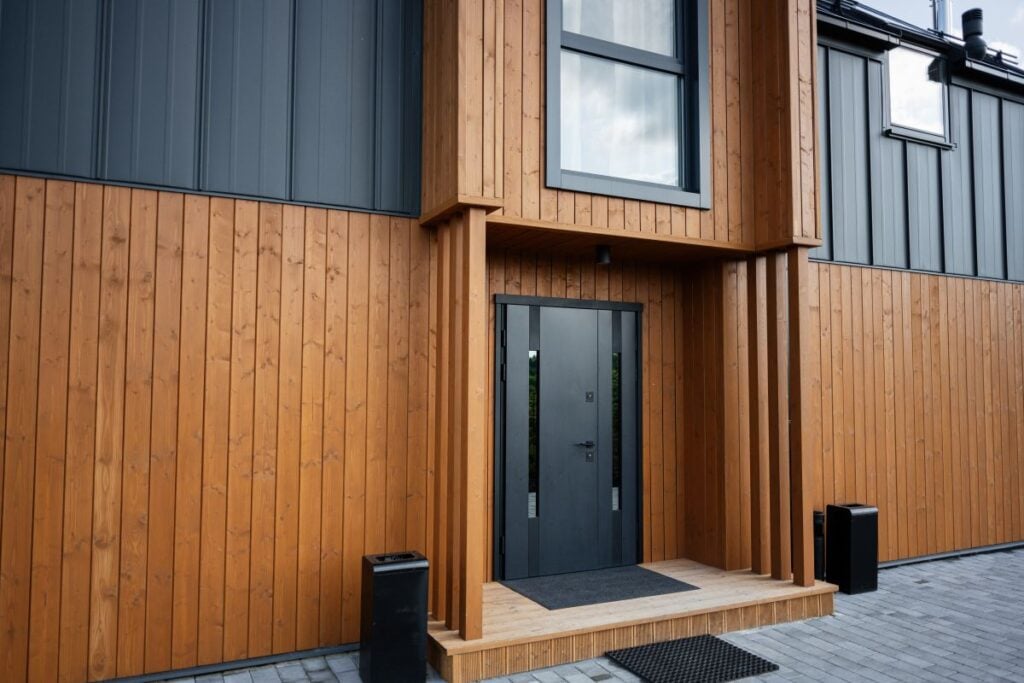
Design Tips for Using Vertical Siding
Vertical siding works well as a standalone system or in combination with other materials. Here’s how to make the most of your design:
- Mix styles: Use vertical siding on gables or bump-outs alongside horizontal lap for contrast.
- Use trim effectively: Vertical panels look sharp with clean, defined trim lines.
- Balance proportions: On tall homes, horizontal accents can help break up long vertical runs.
- Choose complementary materials: Pair with stone veneer, brick, or cedar for layered texture.
A siding contractor can help you visualize combinations with renderings or sample boards.
Key Factors When Choosing Vertical Siding
Before selecting a vertical siding product, take these considerations into account:
- Home architecture: Certain vertical styles complement specific home types (e.g., board and batten for farmhouse styles).
- Budget and lifespan: Vinyl is affordable but may not last as long as metal or fiber cement.
- Climate and exposure: Choose materials that hold up to Wisconsin’s freeze-thaw cycles and summer humidity.
- Maintenance preferences: Some materials require periodic repainting or sealing; others are virtually maintenance-free.
A local siding contractor can evaluate your home’s structure and guide you toward the best vertical solution.
Frequently Asked Questions About Vertical Siding Options
1. Is vertical siding more expensive than horizontal siding?
Not necessarily. Some vertical systems require additional labor for alignment and waterproofing, but many materials—like vinyl or engineered wood—are similarly priced in vertical formats. The total siding cost depends on your chosen product and installation complexity.
2. Can I mix vertical and horizontal siding on the same home?
Absolutely. Mixing styles is a popular trend that adds dimension and personality. Just make sure the transition lines are clean and the materials complement one another.
3. How long does vertical siding last?
It depends on the material. Vinyl may last 20–30 years, fiber cement and metal can last 40–50+ years, and engineered wood ranges between 20–40 years. Proper installation and maintenance affect longevity.
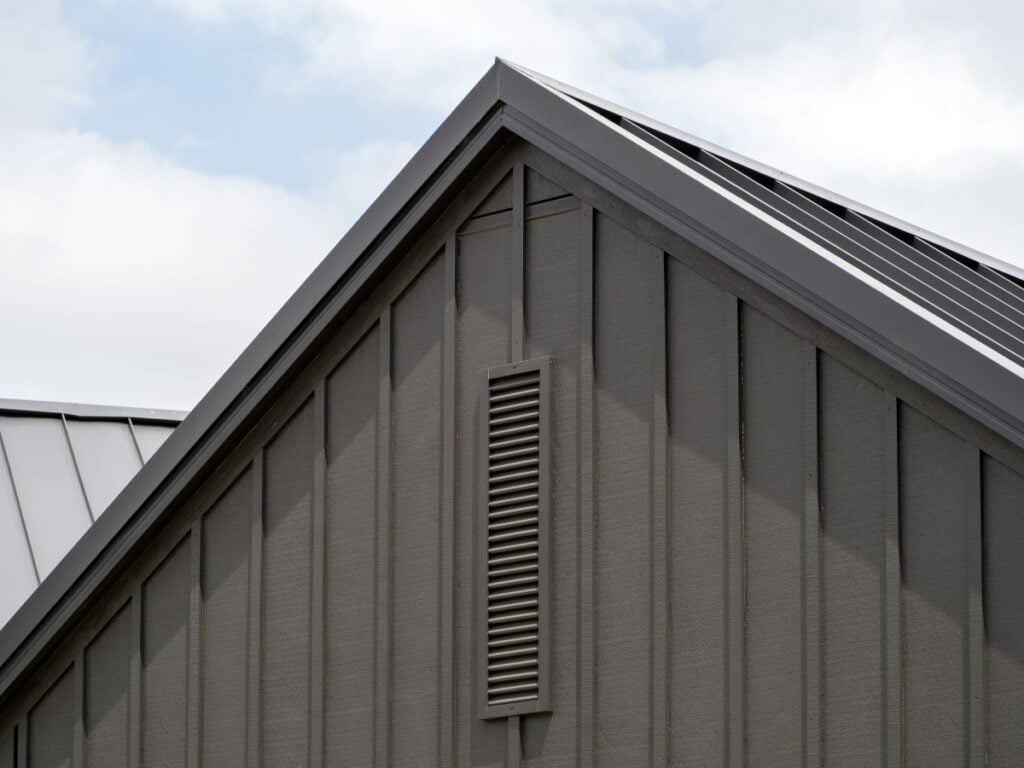
Transform Your Home With Vertical Siding in 2026
If you’re considering a refresh in La Crosse, WI, or surrounding areas, now is the perfect time to explore modern vertical siding options that blend durability, efficiency, and bold visual appeal. At First American Roofing & Siding, Inc., we help homeowners choose and install siding that enhances curb appeal while standing up to Midwest weather year-round.
Our experienced team will walk you through product options, explain performance features, and ensure expert installation from start to finish. Whether you’re drawn to clean vertical lines or bold mixed-material designs, we’ll bring your vision to life.
Contact First American today for a free estimate and start your 2026 siding upgrade with a team that’s trusted, local, and built to last.