How Long Do Roofs Typically Last in Eau Claire, WI Homes?

Written By: First American Roofing

06/11/26

7 Mins
Understanding how long do roofs typically last in eau claire wi is important for homeowners who want to plan ahead for repairs, maintenance, and eventual replacement costs. In Eau Claire, WI and surrounding areas, harsh winters, snow accumulation, storms, humidity, and seasonal temperature swings all affect how long a roofing system will last.
- Material matters: Different roofing materials have very different lifespans.
- Weather impact: Wisconsin’s climate can shorten roof life without proper maintenance.
- Routine care helps: Inspections and repairs can extend the life of your roof significantly.
Why Roof Lifespan Varies in Eau Claire
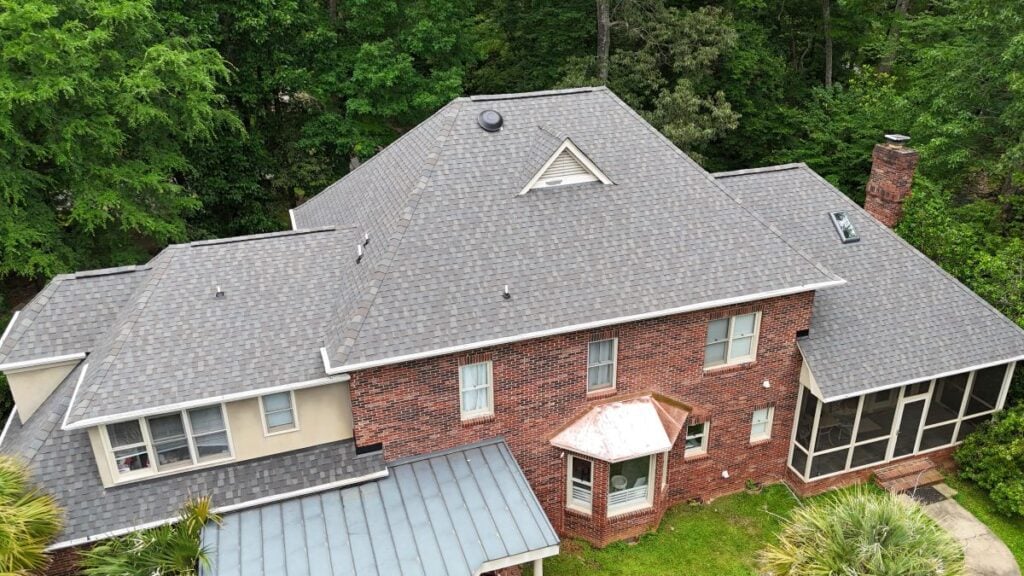
No roof lasts forever, but some roofing systems perform much longer than others depending on the materials used and how well they are maintained. For understanding roof lifespan, the average range can be anywhere from about 15 years to well over 100 years based on material and local weather. In Eau Claire, WI and surrounding areas, many factors affect the roof’s lifespan, and roof depends heavily on installation quality, upkeep, and exposure to the elements.
Winter snow and ice create moisture risks, while summer heat and UV exposure gradually wear down shingles and sealants. Severe temperature swings in Wisconsin also make roofing materials expand and contract, which can speed up cracking and wear. Strong storms and wind can also loosen materials or create hidden damage that shortens roof longevity over time.
Because of these conditions, homeowners in Eau Claire should understand both the expected lifespan of their roofing material and the factors that can reduce it prematurely.
Average Lifespan of Common Roofing Materials
Different roofing systems offer different levels of durability, maintenance requirements, and long-term value, and in Wisconsin the most common roofing material is asphalt shingles, which typically last about 15–25 years compared with 40–70 years for metal roofs.
Asphalt 3-Tab Shingles
- Average lifespan: 15 to 25 years in Wisconsin for traditional three tab shingles, especially when asphalt shingles are rated for cold climates and heavy winds.
- Most affordable option: Common on older homes or budget-focused projects.
- Weather limitations: More vulnerable to wind and storm damage.
This shingle roof option generally has the shortest lifespan among modern roofing materials.
Architectural Asphalt Shingles
- Average lifespan: 25 to 30 years
- Improved durability: Thicker construction handles Midwest weather better.
- Most popular option: Common throughout Eau Claire neighborhoods.
Architectural shingles are widely chosen because they balance affordability and performance.
Metal Roofing
- Average lifespan: 40 to 70 years
- Excellent snow performance: Smooth surface sheds snow efficiently.
- Low maintenance: Resistant to cracking and moisture issues.
Metal roofs are growing in popularity in Wisconsin because of their durability, 40- to 70-year lifespan, and resistance to snow, ice, and water buildup.
Standing Seam Metal Roofing
- Average lifespan: 50+ years
- Premium weather resistance: Raised seams help prevent leaks.
- Modern appearance: Popular on newer and custom homes.
Standing seam systems are one of the longest-lasting roofing options available.
Cedar Shake Roofing
- Average lifespan: 25 to 40 years
- Natural appearance: Complements rustic and traditional homes.
- Higher maintenance: Requires regular upkeep in wet climates.
Moisture and freeze-thaw cycles can shorten cedar shake lifespan without proper care.
Synthetic Roofing Materials
- Average lifespan: 30 to 50 years
- Durability: Resistant to moisture, cracking, and UV damage.
- Low maintenance: Mimics slate or wood without the upkeep.
Synthetic products are becoming more popular for homeowners seeking durability and appearance.
How Eau Claire Weather Affects Roof Lifespan
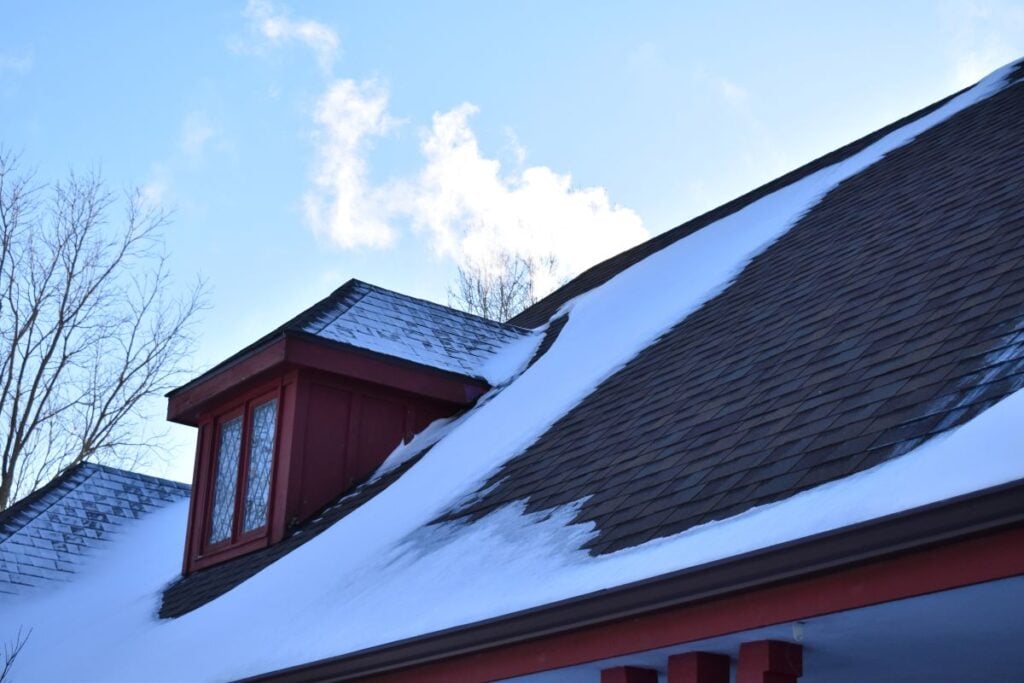
The local climate in Eau Claire, WI and surrounding areas has a major influence on roofing performance.
Snow and Ice Accumulation
- Heavy snow loads: Constant pressure from heavy snowfall stresses roofing structures.
- Ice dams: When attic heat melts snow that later refreezes at the roof edge, water backs up and can damage shingles and underlayment.
- Freeze-thaw cycles: Wisconsin temperature fluctuations let water enter small cracks, then freeze, expand, and damage the roof.
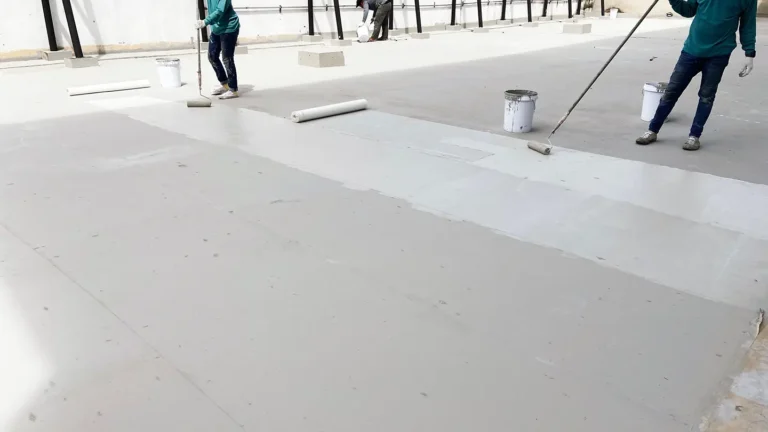
Flat or low-slope roofs in Wisconsin often need rubber or membrane systems and regular snow clearing to avoid structural strain.
Winter weather is one of the biggest reasons roofs in Wisconsin wear out faster.
Wind and Storm Exposure
- Lifted shingles: high winds can lift shingles and loosen roofing materials.
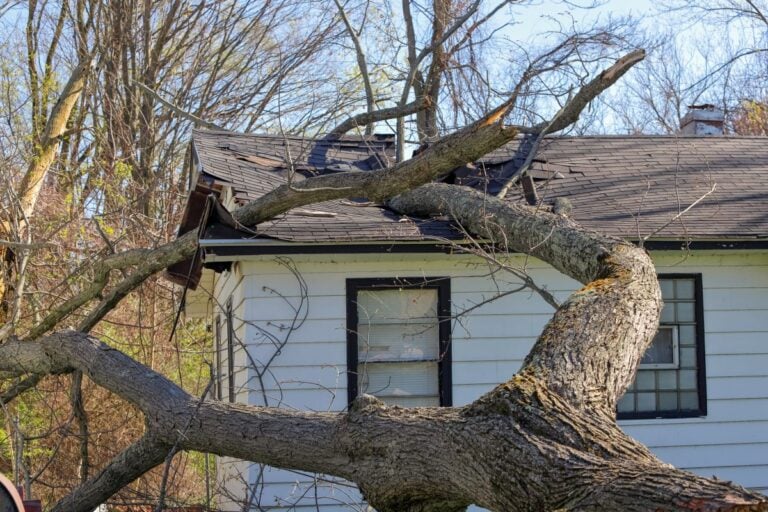
- Storm debris: In Wisconsin, severe storms including thunderstorms, tornadoes, and winter storms can also loosen flashing and drive debris into the roof.
- Hidden leaks: minor issues after storms often worsen gradually.
Even minor storm damage can shorten roof lifespan, and small concerns can become major problems if left unaddressed.
Summer Heat and UV Exposure
- UV deterioration: Sunlight gradually breaks down roofing materials.
- Thermal movement: Heat causes expansion and contraction.
- Ventilation importance: Poor attic airflow accelerates aging.
Proper ventilation helps reduce heat-related roofing stress.
4 Signs Your Roof May Be Nearing the End of Its Lifespan
Knowing the warning signs of an aging roof helps homeowners avoid unexpected leaks and major repairs.
1. Curling or Cracked Shingles
- Age-related wear: Older shingles lose flexibility.
- Reduced waterproofing: Curling or cracked shingles on the current roof allow moisture infiltration and may signal it is time to replace damaged sections sooner rather than later.
- Storm vulnerability: Aging materials are easier to tear off during storms.
Visible shingle deterioration is one of the clearest signs of aging.
2. Granule Loss
- Bare spots: Asphalt shingles lose protective granules over time.
- Gutter buildup: Granules often collect in gutters and downspouts.
- UV exposure: Loss of granules accelerates material breakdown.
Granule loss is especially common on older asphalt roofs.
3. Frequent Leaks or Repairs
- Recurring problems: Multiple repairs may indicate widespread wear.
- Moisture intrusion: Aging roofs become less watertight.
- Rising maintenance costs: Frequent repairs may no longer be cost-effective.
At a certain point, replacement becomes more practical than continued repairs.
4. Sagging Areas or Structural Issues
- Trapped moisture: Water damage can weaken decking.
- Structural concerns: Sagging may indicate serious deterioration and even structural damage.
- Emergency risk: Structural issues require immediate attention.
The slope of a roof dictates how fast water and snow move off the structure, which can affect sagging risk when moisture is trapped.
These problems should be inspected by a professional right away.
How to Extend the Life of Your Roof
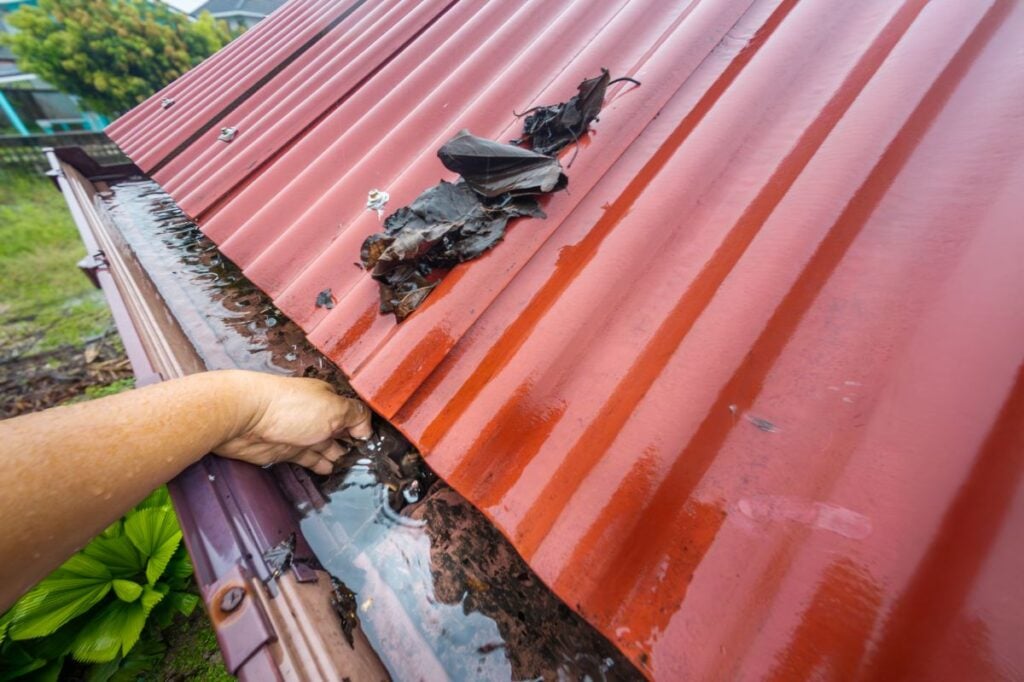
While weather exposure is unavoidable, homeowners can take steps to maximize roof lifespan, and regular inspections plus routine inspections help catch small problems before they turn into larger repairs.
- Schedule annual inspections: Roof inspections help identify small issues before they worsen.
- Clean gutters regularly: Prevent water backup and drainage problems.
- Trim nearby trees: Reduce debris and storm impact risks, especially in heavily wooded neighborhoods where tree debris can trap moisture and encourage moss or algae growth.
- Repair storm damage promptly: Small issues spread quickly if ignored.
- Maintain attic ventilation: Proper airflow helps regulate roof temperature.
Preventive maintenance often adds years to a roofing system’s lifespan.
Repair vs Replacement: When to Make the Switch
Not every roofing issue means replacement is necessary, but if you’re wondering how long does a roof last, the answer depends on its age, visible damage, and repair history before you decide whether to repair it or let the roof last much longer with maintenance.
Repairs May Be Enough If:
- Damage is localized
- The roof is relatively new
- Leaks are minor and isolated
Replacement May Be Better If:
- The roof is near the end of its expected lifespan
- Leaks are becoming frequent
- Storm damage affects large sections
- Repairs are becoming increasingly expensive
A professional evaluation can help determine the most cost-effective option.
Frequently Asked Questions About Roof Lifespan
1. What roofing material lasts the longest in Eau Claire?
Standing seam metal roofing typically offers the longest lifespan, often lasting 50 years or more with proper maintenance.
2. How often should roofs be inspected?
Most roofs should be professionally inspected at least once per year and after major storms.
3. Does attic ventilation really affect roof lifespan?
Yes. Poor ventilation traps heat and moisture, which can accelerate roof deterioration and increase the risk of ice dams.
Protect Your Roof for Long-Term Performance
Understanding how long do roofs typically last in eau claire wi helps homeowners plan ahead and make informed decisions about maintenance and replacement. With proper care and the right materials, many roofing systems can provide decades of reliable protection even in Wisconsin’s demanding climate.
For homeowners in Eau Claire, WI and surrounding areas, regular maintenance and professional evaluations are essential for maximizing roof lifespan and avoiding unexpected problems.
If you want expert guidance on the condition of your roof or are considering replacement options, contact First American Roofing & Siding, Inc. today for a free consultation and estimate and get personalized recommendations for your home.