What Causes Roof Leaks In Homes In Chippewa Falls, WI Area?

Written By: First American Roofing

06/09/26

6 Mins
Understanding what causes roof leaks in chippewa falls wi homes is essential for homeowners who want to avoid expensive water damage and protect their property year-round. In Chippewa Falls, WI and surrounding areas, changing seasons, snow accumulation, heavy rain, and storm activity can all contribute to roofing problems that eventually lead to leaks.
- Weather exposure: Snow, rain, wind, and ice place constant stress on roofing systems.
- Hidden damage: Many roof leaks begin long before water becomes visible indoors.
- Preventive maintenance: Catching issues early can save thousands in repairs.
Why Roof Leaks Are Common in Chippewa Falls
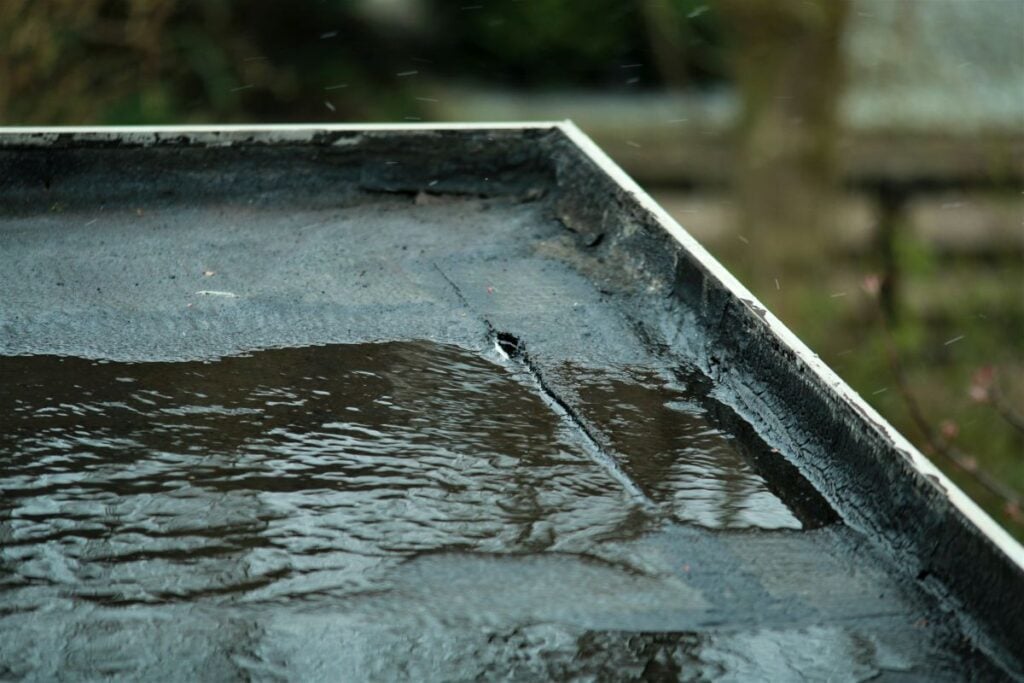
Homes in Chippewa Falls, WI and surrounding areas experience all four seasons, which creates unique challenges for roofing systems. Winter brings snow accumulation and freezing temperatures, while spring and summer storms introduce wind-driven rain, hail, and humidity.
These constant temperature changes cause roofing materials to expand and contract repeatedly over time. Eventually, shingles, flashing, sealants, and underlayment begin to weaken, creating opportunities for water to enter the home.
Because roof leaks often develop slowly, homeowners may not notice a problem until interior water stains or mold appear. Understanding the most common causes helps homeowners recognize issues earlier and take action before significant damage occurs.
8 Common Causes of Roof Leaks in Chippewa Falls Homes
Roof leaks can originate from several different areas of the roofing system. Some are weather-related, while others result from aging or installation issues.
1. Damaged or Missing Shingles
- Wind damage: Strong storms can loosen or remove shingles.
- Aging materials: Older shingles become brittle and crack over time.
- Exposed underlayment: Missing shingles leave the roof vulnerable to water intrusion.
Shingle damage is one of the most common causes of residential roof leaks.
2. Ice Dams During Winter
- Snowmelt refreezing: Warm attic air creates attic heat that causes uneven melting before the water refreezes near roof edges.
- Water backup: Trapped meltwater works underneath shingles.
- Poor ventilation: Inadequate attic airflow increases ice dam risk, while proper attic insulation and ventilation help prevent uneven melting and reduce leaks.
Ice dams are especially common during harsh Wisconsin winters, and older homes with steeply pitched roofs are especially vulnerable to snow buildup and uneven melting.
3. Failing Roof Flashing
- Loose flashing: Flashing around chimneys, vents, and skylights can separate over time.
- Sealant deterioration: Caulking and roofing sealants eventually crack.
- Water entry points: Damaged flashing creates direct openings for moisture.
Flashing problems often lead to slow leaks that remain hidden for months.
4. Clogged Gutters and Drainage Issues
- Water overflow: Blocked gutters force water under roofing materials.
- Ice buildup: Frozen gutters contribute to ice dam formation.
- Moisture retention: Standing water accelerates roof deterioration.
Regular gutter cleaning is critical for preventing leaks.
5. Storm Damage and High Winds
- Lifted shingles: Strong gusts can loosen roofing materials.
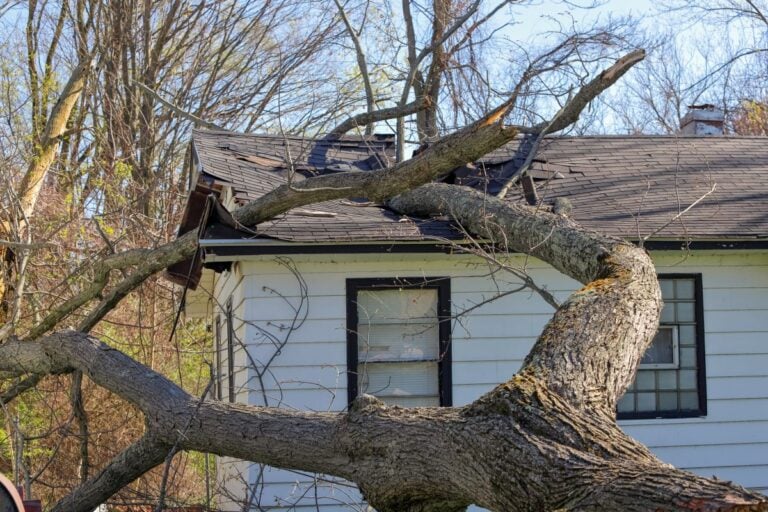
- Debris impact: Falling branches or flying debris may puncture the roof.
- Hidden storm damage: Minor damage can worsen over time if ignored.
Chippewa Falls experiences seasonal storms that can create both visible and hidden roofing issues.
6. Roof Vent and Skylight Leaks
- Improper sealing: Vents and skylights require watertight flashing.
- Condensation issues: Poor ventilation can create moisture buildup.
- Aging components: Rubber boots and seals deteriorate with age.
Roof penetrations are among the most common sources of leaks.
7. Old or Worn Roofing Materials
- End-of-life shingles: Roofing materials eventually wear out.
- Granule loss: Asphalt shingles lose protective granules over time.
- Reduced waterproofing: Aging roofs become more vulnerable to moisture.
Most asphalt roofs in Wisconsin last between 20 and 30 years depending on maintenance and weather exposure.
8. Poor Roof Installation
- Improper flashing placement: Incorrect installation creates leak points.
- Insufficient fasteners: Loose materials may shift during storms.
- Code violations: Poor workmanship can shorten roof lifespan significantly.
Even high-quality materials can fail if they are not installed correctly.
Warning Signs Your Roof May Be Leaking
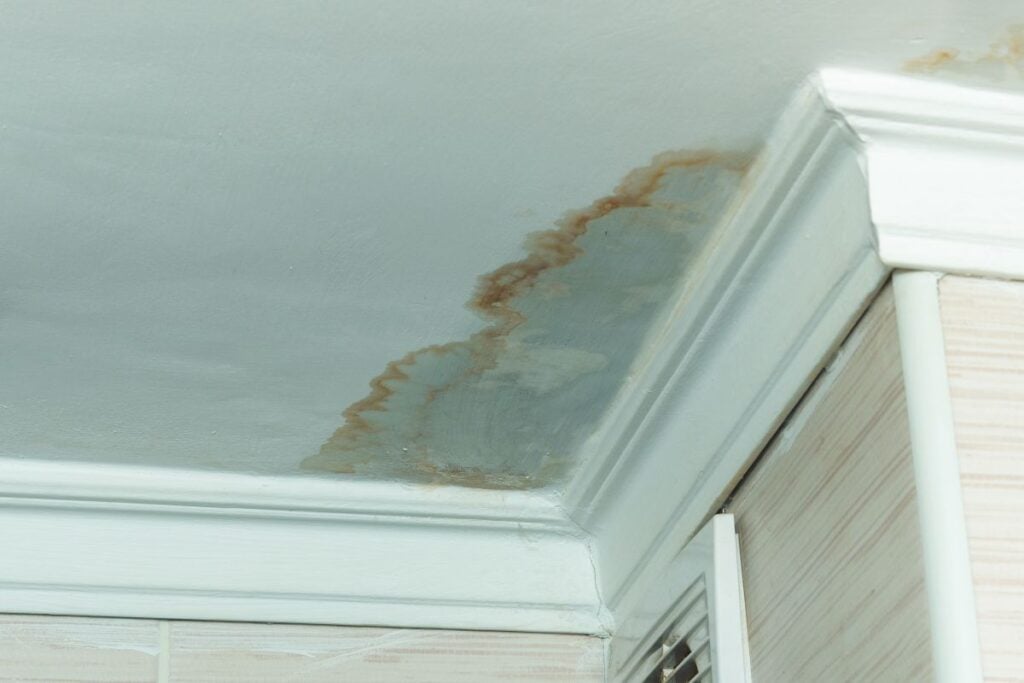
Roof leaks are not always obvious right away. Homeowners should watch for these signs:
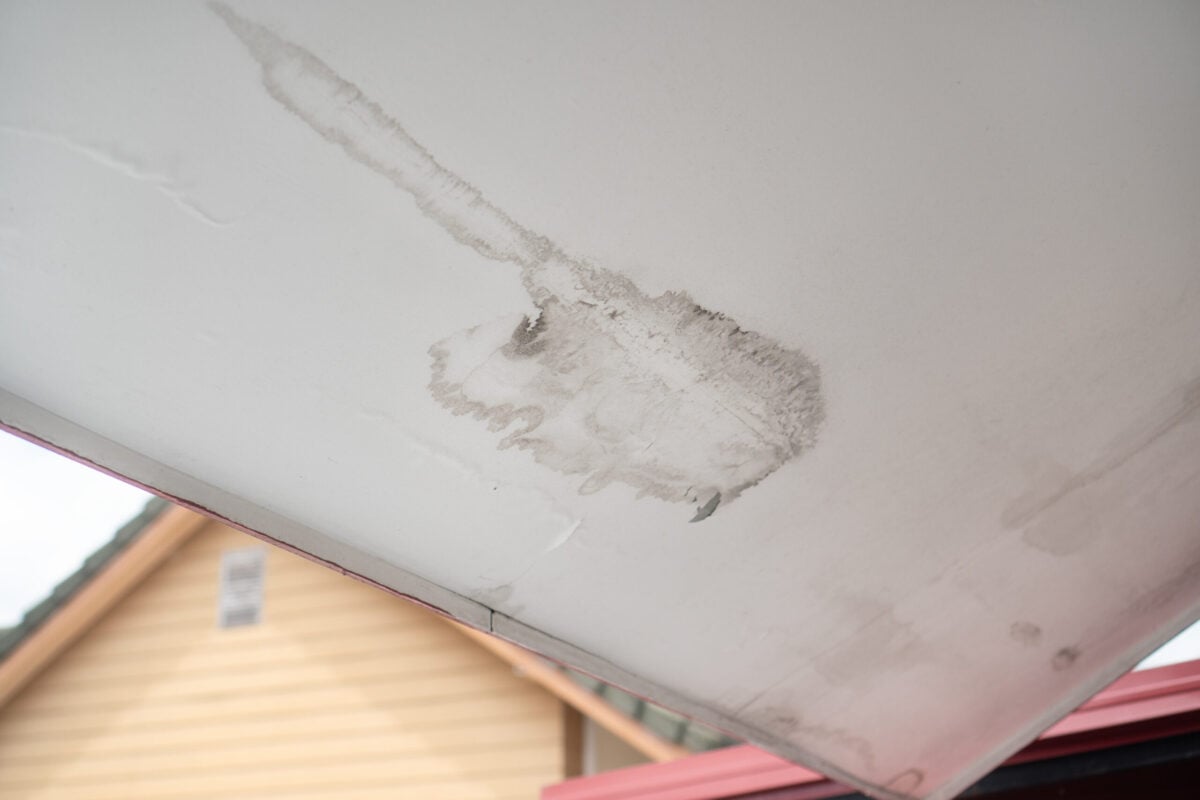
- Water stains on ceilings or walls
- Peeling paint or bubbling drywall
- Musty odors in the attic or upper floors
- Mold or mildew growth indoors
- Dripping water during storms
If you notice these issues, it’s important to address them quickly before the damage spreads.
How Chippewa Falls Weather Impacts Roof Performance
The local climate in Chippewa Falls, WI and surrounding areas plays a major role in roof wear and tear.
Winter Snow and Ice
- Heavy snow loads: Roofs must support significant weight.
- Freeze-thaw cycles: Repeated freezing and melting weaken materials.
- Ice dams: One of the leading causes of winter roof leaks.
Proper insulation and ventilation are critical during Wisconsin winters.
Spring and Summer Storms
- Heavy rainfall: Tests roof drainage systems.
- Strong winds: Can loosen shingles and flashing.
- Hail damage: May crack shingles or dent metal roofing.
Storm-related leaks are especially common during severe weather seasons.
Seasonal Temperature Swings
- Thermal movement: Roofing materials expand and contract repeatedly.
- Sealant breakdown: Temperature changes weaken flashing seals.
- Accelerated aging: Constant weather changes shorten material lifespan.
These conditions make regular maintenance especially important.
How to Prevent Roof Leaks in Chippewa Falls
Preventive care is one of the best ways to avoid expensive roofing repairs.
- Schedule annual inspections: Catch small issues before they worsen.
- Clean gutters regularly: Ensure proper drainage.
- Trim nearby trees: Reduce debris and branch impact risks.
- Repair storm damage quickly: Small issues spread fast if ignored.
- Monitor attic ventilation: Proper airflow helps prevent moisture buildup.
Routine maintenance can significantly extend roof lifespan and reduce leak risks.
Repair vs Replacement: When Is It Time?
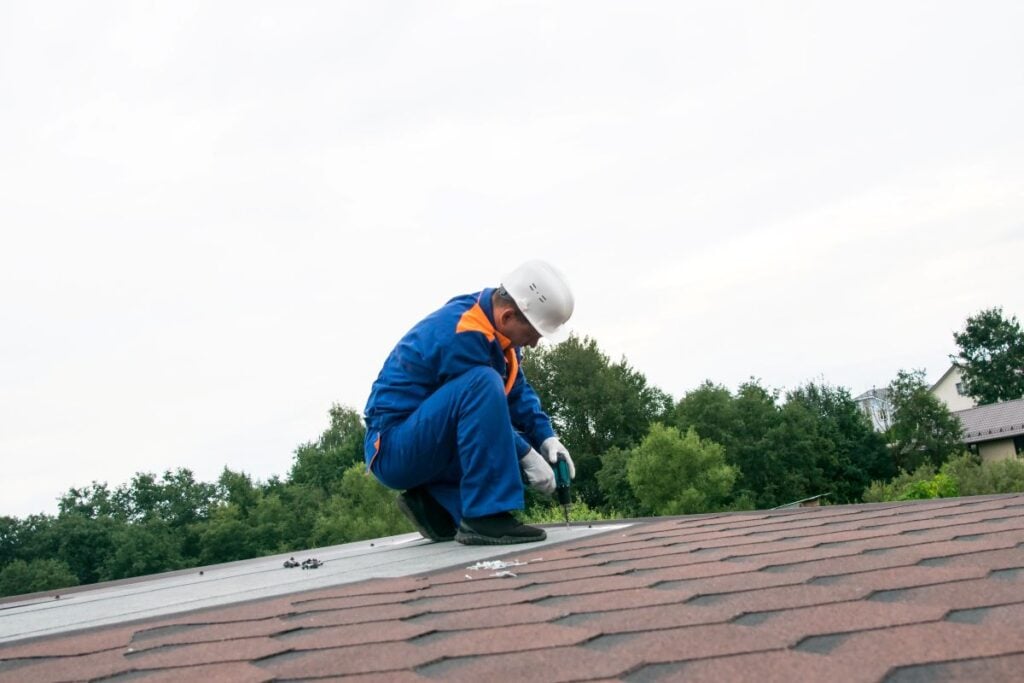
Not every leak requires a full roof replacement, but some situations may indicate larger issues.
- Localized damage: Small leaks may only require repairs.
- Frequent leaks: Repeated problems often signal aging materials.
- Widespread deterioration: Large damaged areas may justify replacement.
- Roof age: Older roofs nearing the end of their lifespan are more likely to leak.
A professional inspection can help determine the most cost-effective solution.
Frequently Asked Questions About Roof Leaks
1. Can roof leaks start without storm damage?
Yes. Aging materials, flashing failures, clogged gutters, and poor ventilation can all cause leaks even without severe weather.
2. How quickly should a roof leak be repaired?
Immediately. Even small leaks can lead to mold, insulation damage, and structural problems if left untreated.
3. Are roof leaks covered by insurance?
Leaks caused by sudden storm damage are often covered, while leaks from neglect or wear may not be.
Protect Your Home From Roof Leaks in Chippewa Falls
Understanding what causes roof leaks in chippewa falls wi homes helps homeowners identify risks early and take proactive steps to protect their property. From winter ice dams to storm damage and aging materials, many roofing problems can be prevented with regular maintenance and timely repairs.
For homeowners in Chippewa Falls, WI and surrounding areas, working with experienced roofing professionals ensures your roof is prepared for local weather conditions and seasonal challenges.
If you suspect a leak or want to assess the condition of your roof, contact First American Roofing & Siding, Inc. today for a free consultation and estimate; our team can assess the damage and explain what repairs are needed.