Tile Roof Cost: How Much Does a Tile Roof Replacement Cost In 2025?

Written By: First American Roofing

03/12/21

7 Mins
Thinking about upgrading to a tile roof but worried about the price tag? You’re not alone! Cost is the number one question homeowners ask when considering this type of roofing material.
In this guide, we’ll break down tile roof costs for a 2,500 sq. ft. roof, compare the three most common tile types being clay, concrete, and terracotta and highlight the hidden factors that can raise or lower your total investment.
Keep in mind, these numbers are averages. The final price of your project depends on your home’s structure, location, and the contractor you choose. For the most accurate estimate, it’s always best to talk with a trusted local roofer.

Factors That Affect the Cost of a Tile Roof Replacement
One of the first questions homeowners ask us is: “What will this cost me?” While we can provide ballpark estimates, the truth is that the cost of a tile roof replacement depends on several variables. Based on years of roofing experience, here are the most common factors that can raise or lower your final price:
1. Roof Size
Larger roofs require more materials and labor, which means higher costs. If you know your roof’s square footage, we can provide a much more accurate estimate upfront.
2. Roof Design and Pitch
Simple gable roofs are the most cost-effective to replace. More complex designs like multiple slopes, valleys, or steep pitches increase installation time and require additional cutting and sealing, which adds to labor costs.

3. Boots, Vents and Other Penetrations
Chances are your roof has any number of plumbing boots, roof vents, skylights, a chimney, and other structures that require flashing, sealant, caulk, and extra care to ensure those seams are leakproof. These will mostly affect labor costs as we are adding extra diligent work to install these areas.
4. Existing Damage
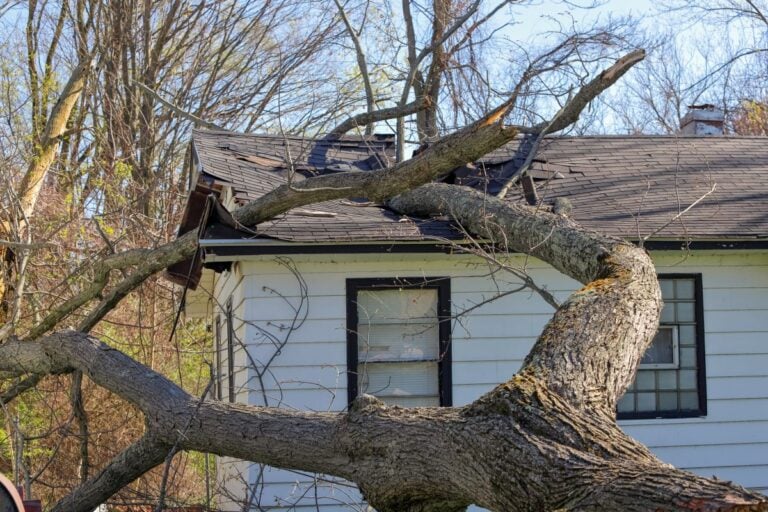
Hidden damage, like water intrusion or rotted decking, often isn’t discovered until we remove the old roof. These repairs can extend your project timeline and add thousands to your final bill. A thorough inspection before replacement can help minimize surprises.

5. Location & Accessibility
Where you live can actually change how different permits and codes are obtained and met, which can affect project timelines and costs. It also affects the cost of materials if you live in a rural area where it can be more difficult to find or ship certain materials. Cities, where roofing materials are easy to come by and ship very easily, can make all the difference.
6. Materials Used
And last but definitely not least, the materials used on your roof can make costs vary quite drastically. From basic materials and brands to more custom and premium brands and materials, you can expect a change in price from hundreds of dollars well into the thousands.
How Each Factor Impacts Tile Roof Cost
| Factor | Impact on Cost | Notes |
|---|---|---|
| Roof Size | 🔼 High | Bigger roofs require more materials and labor. |
| Roof Design/Pitch | 🔼 Medium–High | Complex slopes and valleys add time, labor, and cutting of materials. |
| Boots & Vents | 🔼 Low–Medium | Each penetration (skylight, chimney, vent) adds flashing & sealing. |
| Existing Damage | 🔼 High | Water damage or rotted decking can add thousands in repairs. |
| Location | 🔼 Medium | Permits, delivery fees, and labor rates vary by city or rural area. |
| Materials Chosen | 🔼 Very High | Concrete = most affordable; Clay = mid-range; Terracotta = premium. |
How Much Does a Tile Roof Cost?
On average, a tile roof on a standard 2,500 sq. ft. home can cost anywhere from $20,000 to $60,000, depending on the material you choose and the complexity of the installation. Clay and concrete tiles tend to be on the lower end of the range, while terracotta is a premium option that comes with a higher price tag.
These estimates are based on national averages, and your actual cost may vary. Factors like local labor rates, roof pitch, and whether your home needs structural reinforcement can all influence the final price.
Clay Tile Roof Cost
Clay is one of, if not the, oldest type of roofing materials. It’s hard, heavy, and water-resistant. These tiles can last longer than your home as long as they are installed appropriately with the proper supports to hold their heavyweight.
Materials: $3 to $7 per sq. ft.
Cost Per Sq. Ft. Including Labor: $8 to $25 per sq. ft.
Total Estimated Cost @ 2,500 Sq. Ft.: $20,000 to $62,500
Concrete Tile Roof Cost
Concrete tiles are a little less costly than clay tiles as they are easy to come by, less heavy, and less water-resistant than clay tiles. They will also not last as long at closer to 30 to 50 years, which is still 2 to 3 times longer than a standard asphalt shingle roof.
Materials: $2 to $4 per sq. ft.
Cost Per Sq. Ft. Including Labor: $9 to $18
Total Estimated Cost @ 2,500 Sq. Ft.: $22,500 to $45,000

Terracotta Tile Roof Cost
Terracotta is by far the most costly tile roof of the three materials. They are carefully molded, and then the color is baked into them so they’ll never fade. These tiles are especially great for desert climates in the southern states because they will reflect the sun’s heat, keeping homes cooler overall.
Materials: $5 to $10
Cost Per Sq. Ft. Including Labor: $10 to $25
Total Estimated Cost @ 2,500 Sq. Ft.: $25,000 to $62,500
Tile Roof Cost by Material Type: Clay vs. Concrete vs. Terracotta
| Material | Material Cost | Installed Cost | Lifespan | Maintenance | ROI Potential |
|---|---|---|---|---|---|
| Clay | $8–$15 | $12–$25 | 75–100 yrs | Moderate | High |
| Concrete | $4–$9 | $9–$18 | 30–50 yrs | Low | Medium |
| Terracotta | $10–$20+ | $15–$30+ | 100+ yrs | Low | Very High |
Why Location Matters for Tile Roof Costs
Tile roofs aren’t one-price-fits-all. Where you live plays a big role in what you’ll pay, especially in places like Wisconsin and the upper Midwest, where weather, materials, and building codes create unique cost variables. Here’s what local homeowners should keep in mind.
Cold Climate Requirements
In colder climates like Wisconsin, your tile roof needs more than just good looks, it needs to stand up to snow, ice, and freeze-thaw cycles. That means installing specialized underlayment and moisture barriers beneath the tiles.
- Additional Cost: $1.50–$3.00 per sq ft
- Why It Matters: Prevents water intrusion from ice dams and extends the life of your roof
On a 2,000 sq ft roof, this could add $3,000–$6,000 to the total cost but it’s money well spent.
Structural Reinforcement
Tile roofing is heavy, especially if you go with clay or terracotta. Older homes may need extra support to handle the weight, which can add significant cost.
- Added Cost: $1,000–$10,000
- What’s Involved: A structural engineer might recommend new rafters or bracing before installation
This is a one-time investment that can extend your roof’s lifespan and meet local building codes.
Local Labor Rates & Material Availability
Because tile roofs aren’t as common in the Midwest as in places like California or Arizona, you might find:
- Fewer contractors experienced with tile installation
- Slightly higher labor rates due to specialization
- Limited availability of premium tile types (like terracotta)
In Wisconsin, professional tile roof installation averages $75–$110 per hour, compared to $55–$75 for asphalt shingles.
Permit Fees and Code Requirements
Every city has its own rules and in snow-prone areas, roofing permits often come with specific load-bearing and insulation requirements.
- Typical Permit Fees: $150–$500+
- Inspection Requirements: May include snow load compliance and fire resistance ratings
Is a Tile Roof Worth the Cost?
We hope this gives homeowners a good idea of what they might be looking at as far as cost when replacing a tile roof. These roofs may be more costly upfront, but they are highly durable and can last for decades upon decades. All in all, a tile roof is definitely worth the upfront cost.
For more roofing costs based on materials, check out our roof replacement cost round-up. And to get started on your next roof repair or replacement, contact the local pros at First American Roofing today!
FAQs
Are tile roofs more expensive than shingles?
Yes. A tile roof typically costs 2–4 times more than asphalt shingles upfront. However, tile lasts much longer (50–100+ years compared to 15–30 years for shingles). ROI Value is usually much higher
Do I need to reinforce my roof for tile installation?
Possibly. Tile is heavier than shingles or metal, and some homes need structural reinforcement to handle the weight. A professional inspection will determine if your roof framing is strong enough.
How much maintenance does a tile roof require?
Tile roofs are low-maintenance compared to other materials, but they aren’t maintenance-free. Occasional inspections for cracked tiles, damaged flashing, or underlayment issues are recommended every 2–3 years.
Can tile roofs handle snow and cold climates?
Yes, but they require proper installation. In Wisconsin and other snowy regions, using ice and water shield underlayment and ensuring correct slope is essential to prevent ice dams and water intrusion.