How Often Should a Roof Be Inspected in Sparta, WI?

Written By: First American Roofing

06/04/26

7 Mins
Understanding how often should a roof be inspected in sparta wi is one of the best ways homeowners can protect their property from expensive repairs and unexpected damage. In Sparta, WI and surrounding areas, roofs face year-round exposure to snow, ice, rain, wind, humidity, and major seasonal temperature changes, making regular inspections essential for long-term roof performance.
- Prevent hidden damage: Small roofing problems are easier and less expensive to repair early.
- Protect roof lifespan: Routine inspections help extend the life of your roofing system.
- Prepare for Wisconsin weather: Seasonal inspections help roofs handle storms and winter conditions.
Why Roof Inspections Matter in Sparta, WI
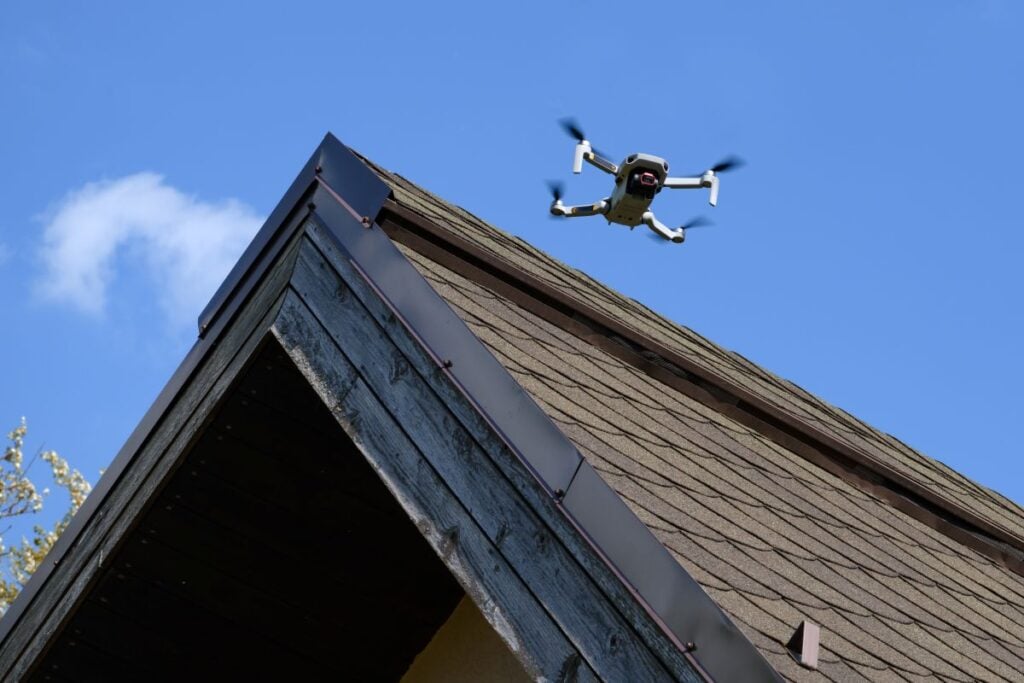
Roofs are constantly exposed to harsh weather conditions, and many roofing problems begin long before homeowners notice visible leaks or interior damage. Missing shingles, flashing failures, ventilation problems, and moisture intrusion can slowly worsen over time if they are not identified early.
Homes in Sparta, WI and surrounding areas experience significant seasonal weather changes throughout the year. Winter snow accumulation, freeze-thaw cycles, spring rainstorms, summer heat, and strong winds all contribute to roofing wear and tear.
Because of these conditions, regular inspections are one of the most effective ways to protect your roof and avoid larger structural or moisture-related problems.
7 Best Times to Schedule a Roof Inspection
While annual inspections are recommended for most homes, certain situations make roof evaluations especially important.
1. Once Per Year for Preventive Maintenance
- Routine protection: Annual inspections help identify wear before leaks develop.
- Long-term planning: Homeowners can prepare for future repairs or replacement.
- Warranty compliance: Some roofing warranties require regular inspections.
A yearly inspection is the minimum recommendation for most homes in Sparta.
2. After Major Storms
- Wind damage: Strong gusts can loosen or remove shingles.
- Hail impacts: Storms may crack shingles or damage flashing.
- Hidden problems: Not all storm damage is visible from the ground.
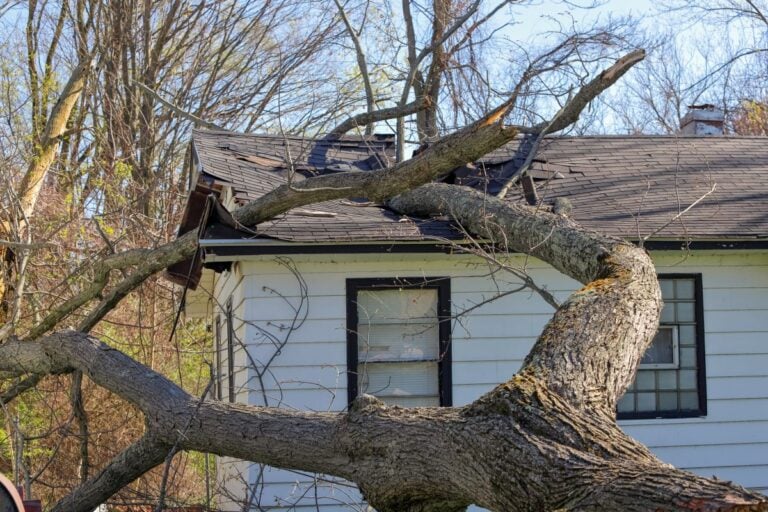
Storm inspections are especially important after severe weather events, including thunderstorms and high winds, to catch problems early and identify hidden roof damage.
3. During the Spring
- Winter damage evaluation: Snow and ice may have weakened roofing materials.
- Drainage inspection: Gutters and downspouts can be checked after winter buildup.
- Summer preparation: Roofs can be prepared for spring and summer storms.
Spring is one of the most common times homeowners schedule roof inspections.
4. Before Winter Arrives
- Snow readiness: Roofs should be prepared before heavy snowfall begins.
- Ice dam prevention: Ventilation and insulation issues can be identified early.
- Seal inspections: Flashing and roof penetrations should be checked before freezing temperatures.
Preventive inspections before winter help reduce cold-weather roofing issues.
5. If Your Roof Is More Than 10 Years Old
- Material aging: Older roofing systems become more vulnerable to leaks.
- Wear detection: Inspections identify early deterioration signs.
- Maintenance planning: Older roofs benefit from more proactive care.
As roofs age, regular inspections become increasingly important.
6. Before Buying or Selling a Home
- Real estate value: Roof condition affects negotiations and resale value.
- Inspection documentation: Buyers often request roof evaluations.
- Future budgeting: Homeowners can better plan for future roofing expenses.
Roof inspections provide peace of mind during home transactions.
7. After Noticing Interior Warning Signs
- Stains or damage on ceilings: Brown spots may indicate roof leaks.
- Attic moisture: Damp insulation or mold often points to water intrusion.
- Musty odors: Persistent smells may indicate hidden roofing problems.
Interior warning signs should never be ignored, and homeowners should act quickly to resolve signs of water intrusion.
What Happens During a Professional Roof Inspection?
A professional roof inspection involves a full evaluation of the roofing system, not just the shingles.
Roofing professionals typically inspect:
- Shingle condition and granule loss
- Flashing around vents, skylights, and chimneys
- Roof valleys and drainage systems
- Gutters and downspouts
- Attic ventilation and insulation
- Signs of moisture intrusion or structural damage
The goal is to identify current issues and potential future concerns before they become expensive repairs.
Why Sparta Weather Makes Roof Inspections More Important
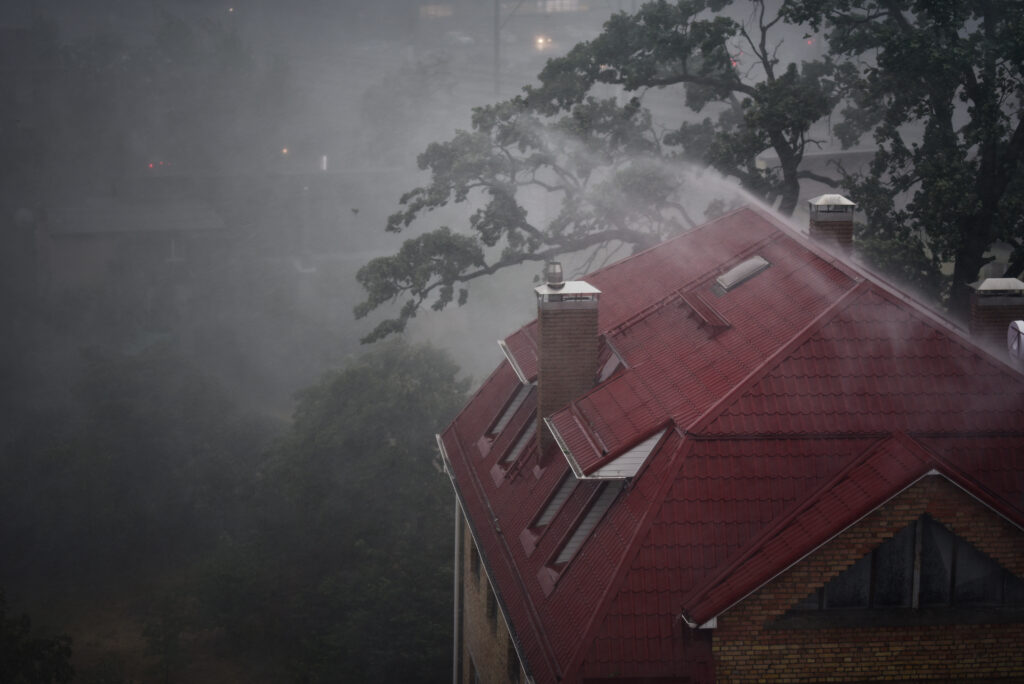
The climate in Sparta, WI and surrounding areas creates several roofing challenges that make routine inspections especially valuable. Wisconsin roofs also face 100+ degree seasonal swings, persistent moisture from snow and ice, and the weight of heavy snow accumulation. These factors can accelerate wear and make small issues more likely to grow if they are not caught early.
Heavy Snow and Ice
- Snow load pressure: Roofs must support significant winter accumulation.
- Ice dams: Improper ventilation contributes to water backup beneath shingles.
- Freeze-thaw cycles: Roofing materials repeatedly expand and contract.
Winter weather is one of the leading causes of roof wear in Wisconsin.
Wind and Storm Exposure
- Strong gusts: Wind can loosen shingles and flashing.
- Storm debris: Falling branches may damage roofing materials.
- Hidden storm damage: Small problems often worsen over time.
Storm-related roof damage is common throughout the Sparta area.
Seasonal Temperature Changes
- Thermal movement: Roofing materials expand and contract throughout the year with changing temperatures and exposure to the sun.
- Sealant breakdown: Flashing seals weaken over time.
- Accelerated aging: Extreme weather shortens roof lifespan and can reduce its expected lifespan as weather-driven wear increases.
These conditions make regular inspections essential for long-term roof health.
Common Signs Your Roof May Need Immediate Attention
Some roofing problems should have your roof inspected right away rather than waiting for a scheduled appointment.
Missing or Damaged Shingles
- Visible gaps: Exposed areas increase leak risks.
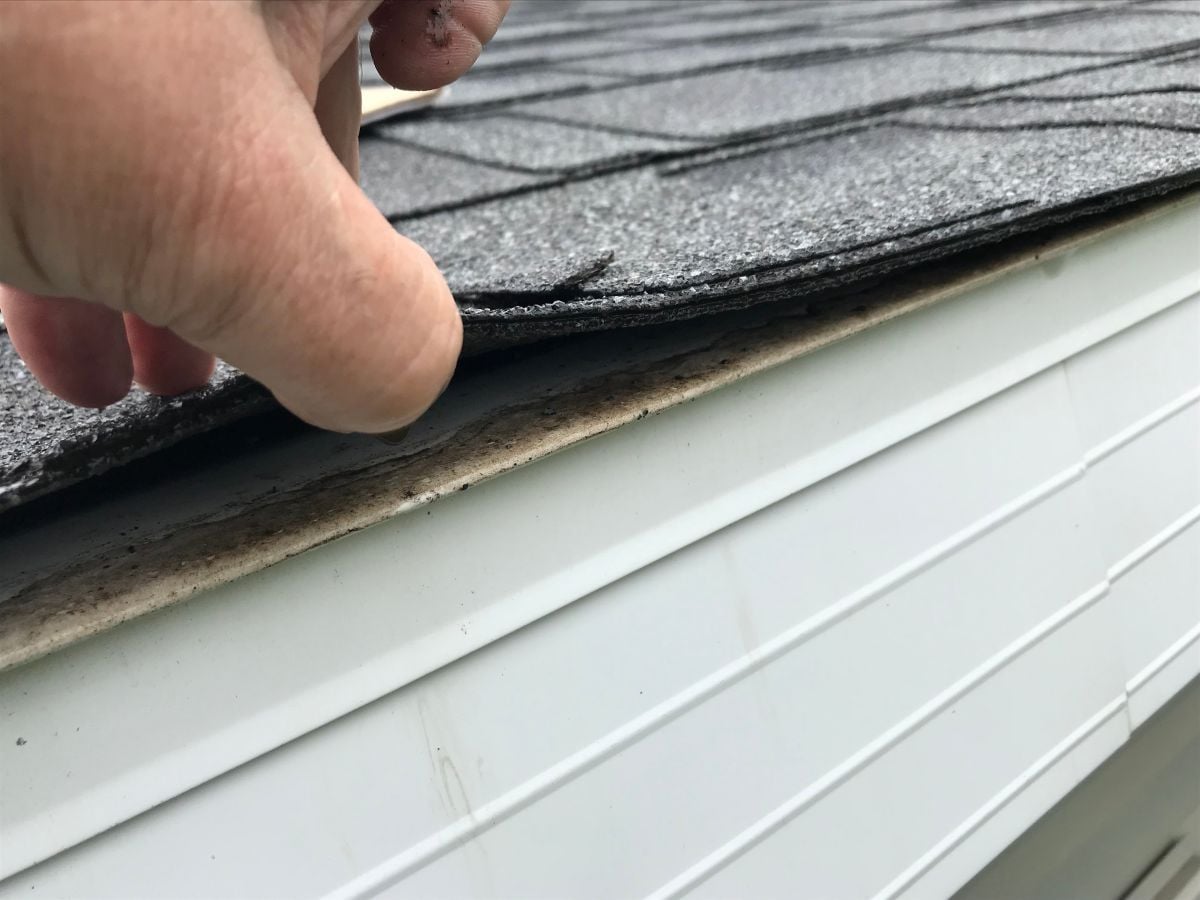
- Curling asphalt shingles: Aging materials may no longer seal properly.
- Granule loss: In Wisconsin, asphalt shingles are the most common roofing material and should be checked as part of an annual inspection, since climate wear can cause curling, granule loss, or exposed areas.
Shingle issues often worsen quickly during storms.
Active Leaks and Water Damage
- Water stains: Ceiling discoloration often signals moisture intrusion.
- Dripping water: Active leaks require immediate attention.
- Mold growth: Moisture problems can impact indoor air quality.
Even small leaks can spread quickly.
Sagging Roof Areas
- Structural concerns: Water damage may weaken decking or framing, and issues left unresolved can worsen over time and increase repair cost.
- Moisture saturation: Trapped water can compromise roof integrity.
- Safety risks: Severe sagging requires professional evaluation immediately.
Structural roof issues should never be ignored.
How Roof Inspections Extend Roof Lifespan
Routine inspections are one of the best investments homeowners can make in their roofing system.
- Early repairs prevent widespread damage
- Drainage issues are corrected quickly
- Storm damage is addressed before leaks spread
- Ventilation problems are identified early
Preventive maintenance often adds years to the life of a roof.
Frequently Asked Questions About Roof Inspections
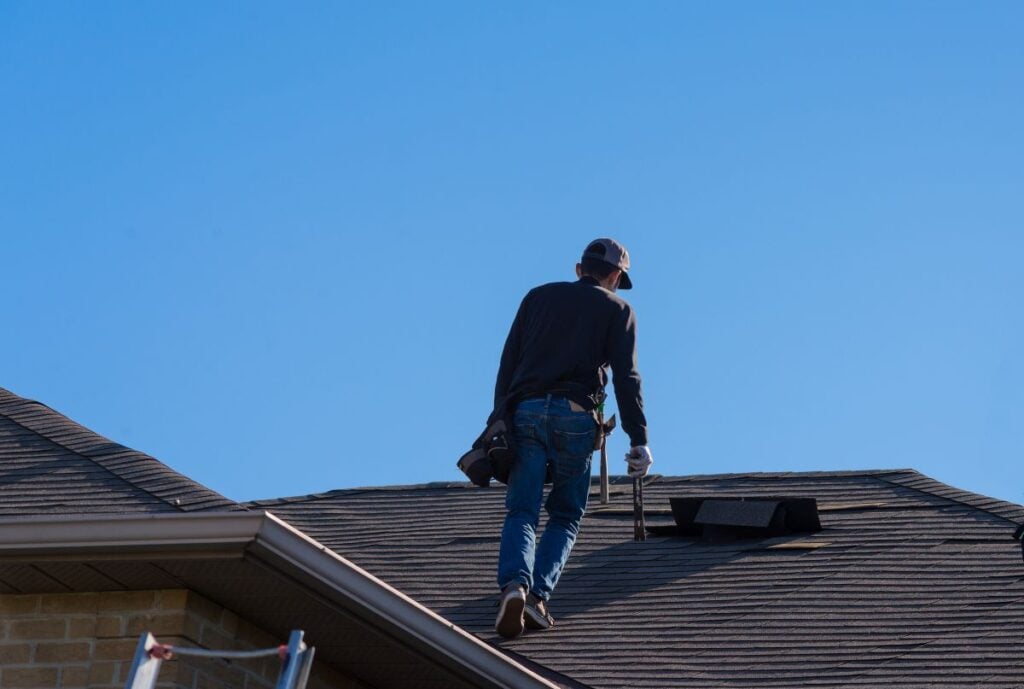
1. How often should most roofs be inspected?
As a general rule, most roofing professionals recommend at least one professional inspection per year along with additional inspections after severe storms. Based on expert recommendations, newer roofs may only need inspections every 1 to 2 years, while older roofs often benefit from an annual inspection or more frequent checkups.
2. Can roof inspections identify hidden damage?
Yes. Professional inspections often reveal storm damage, flashing issues, moisture intrusion, and ventilation problems that homeowners cannot easily see from the ground. They can also spot small cracks in shingles, flashing, or seals, helping catch problems early before they turn into bigger roof problems.
3. Is a roof inspection necessary if my roof looks fine?
Absolutely. Many roofing problems develop beneath shingles or inside attic spaces long before visible symptoms appear, and a roof can look fine while still wearing down from the elements—even on a new roof or on homes with materials such as tiles.
Protect Your Home With Regular Roof Inspections
Understanding how often should a roof be inspected in sparta wi helps homeowners stay proactive, catch problems early, and avoid expensive roofing damage over time. In climates like Sparta, WI and surrounding areas, annual inspections and post-storm evaluations are essential for protecting your home from snow, storms, moisture, and long-term roof deterioration.
Whether your roof is brand new or more than a decade old, routine inspections help ensure your roofing system continues performing properly through every season.
If you want expert guidance on your roof’s condition, contact First American Roofing & Siding, Inc. today for a free consultation and estimate, with honest assessments and tailored guidance on your roof’s condition.