Annual Roof Maintenance Checklist (8 Expert Tips)

Written By: First American Roofing

02/24/26

6 Mins
A seasonal roof maintenance checklist is one of the best tools homeowners can use to extend the life of their roof and prevent expensive repairs. Regular upkeep helps you spot early signs of damage, keeps your home energy efficient, and gives you peace of mind through every season in Chippewa Falls, WI and surrounding areas.
- Prevent major repairs: Routine inspections catch small issues before they grow.
- Maximize roof lifespan: Well-maintained roofs last longer and perform better.
- Improve home value: A healthy roof protects your home’s structure and appeal.
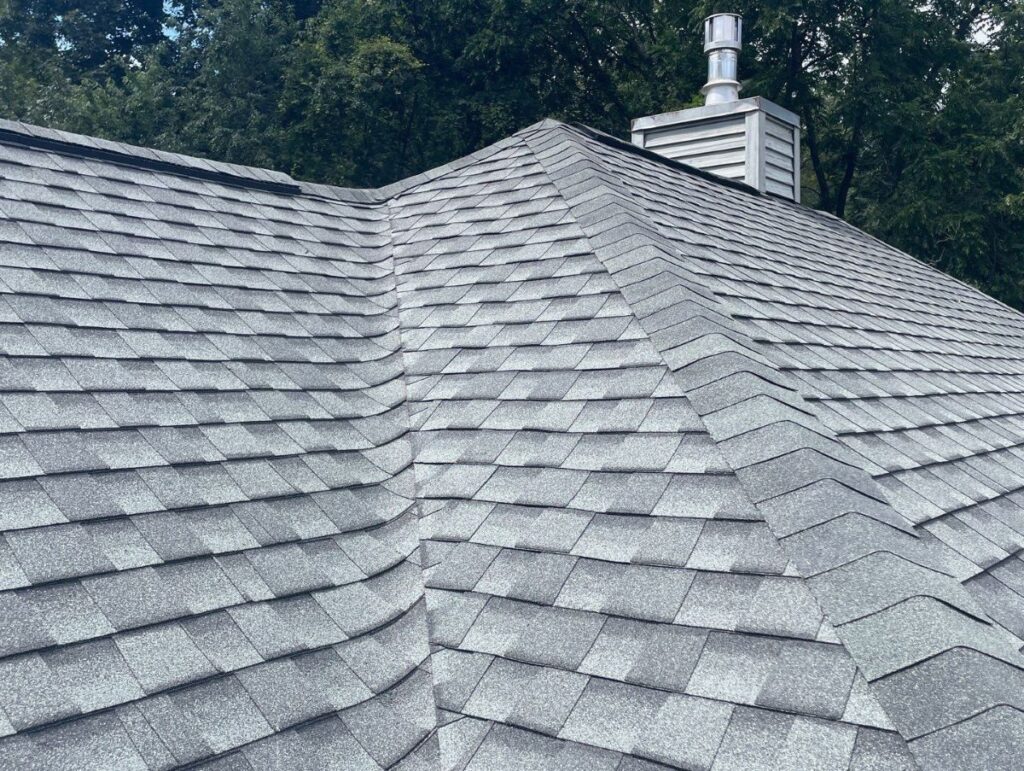
Why Roof Maintenance Matters Year After Year
Roofing materials are built to withstand harsh weather—but no system lasts forever without care. Snow, ice, heavy rain, wind, and UV rays all take a toll on your roof. Without consistent upkeep, problems like leaks, shingle deterioration, and structural rot can develop silently until repairs become unavoidable and costly.
Your annual maintenance routine doesn’t need to be complicated. With a simple checklist and some basic tools (or help from a trusted local roofer), you can stay ahead of issues before they threaten your home.
8 Expert Tips for Your Annual Roof Maintenance Checklist
These eight steps form the foundation of a comprehensive annual roofing routine, helping you cover the most important areas of your roof system each year. By following them closely, you can protect your home from weather-related damage, catch small issues before they become expensive problems, and ensure your roof delivers reliable performance and long-term value.
1. Inspect Shingles and Roofing Materials
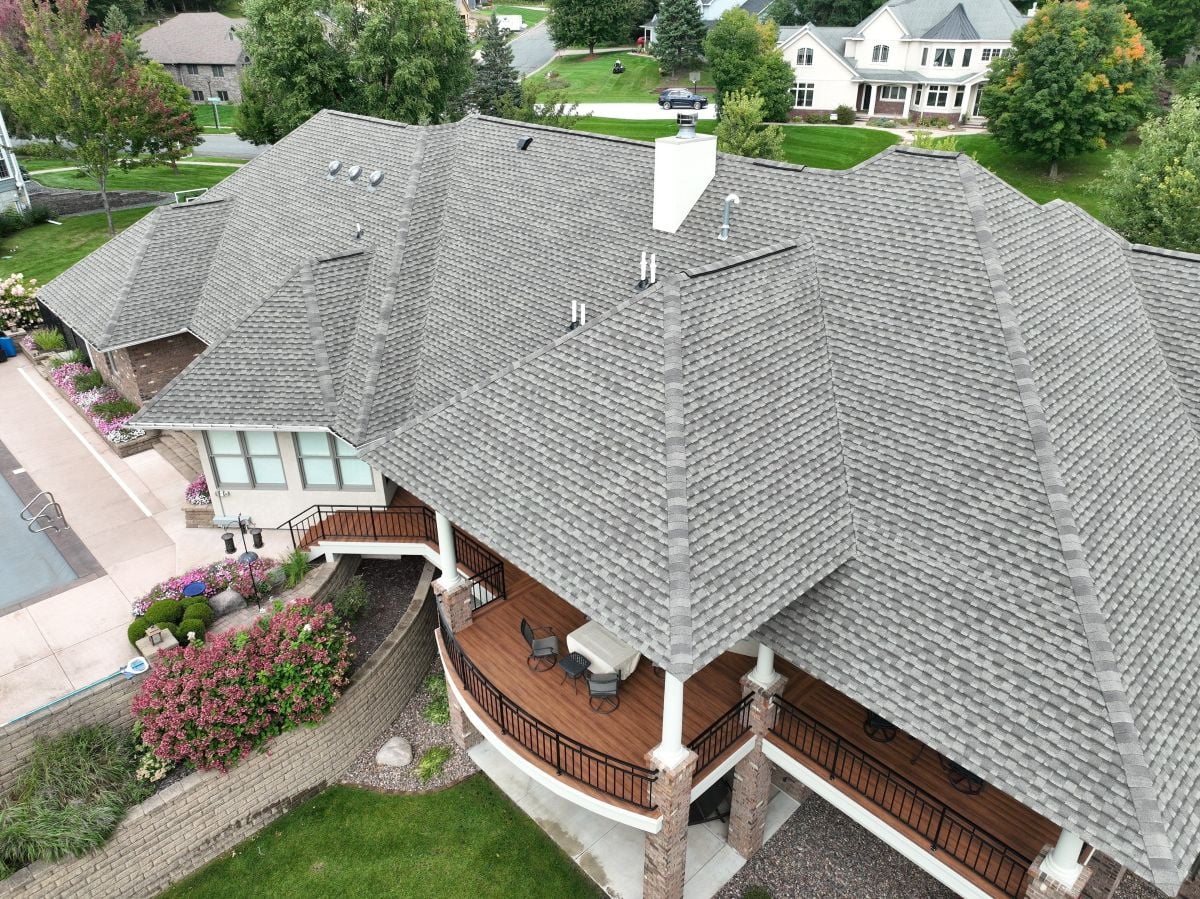
Visually inspect your roof from the ground using binoculars or a drone if available.
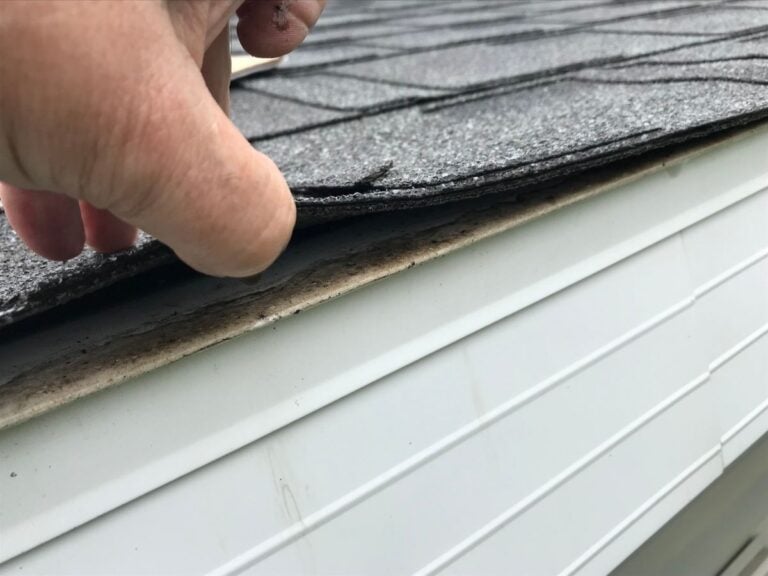
- Cracked or curled shingles: These are signs of UV exposure and aging.
- Missing shingles: Can lead to exposed underlayment or leaks.
- Granule loss: Check gutters for granules from asphalt shingles.
If you spot widespread wear, it may be time to consider replacement or professional inspection.
2. Check Flashing Around Penetrations
Flashing seals the areas around vents, chimneys, skylights, and dormers.
- Loose flashing: May allow water to penetrate the roof structure.
- Rust or corrosion: Metal flashing should be free of decay or pitting.
- Sealant condition: Old caulking or roof cement can crack or shrink.
Flashing issues are one of the top causes of roof leaks and should be addressed quickly.
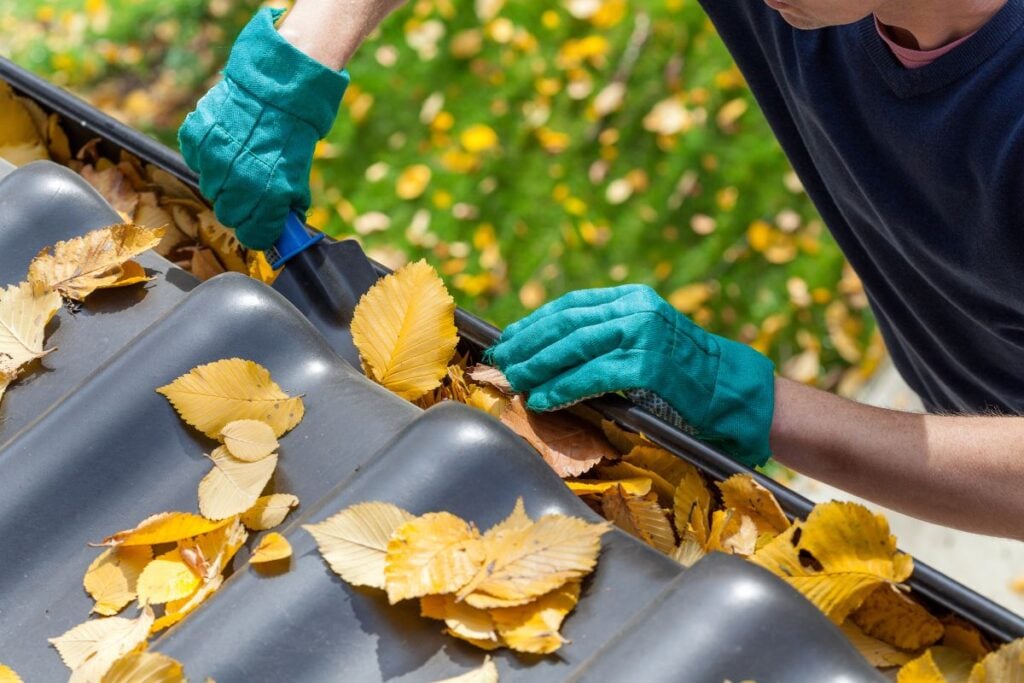
3. Clean Out Gutters and Downspouts
Clogged gutters prevent water from draining properly and can back up under your shingles.
- Remove debris: Clear out leaves, twigs, and dirt by hand or with a blower.
- Check flow: Flush gutters and downspouts with water to ensure they drain fully.
- Inspect attachments: Make sure gutters are securely fastened to the fascia.
Clean gutters prevent ice dams in winter and protect your siding and foundation year-round.
4. Examine Attic for Moisture or Leaks
The attic often reveals roof problems before they show on the surface.
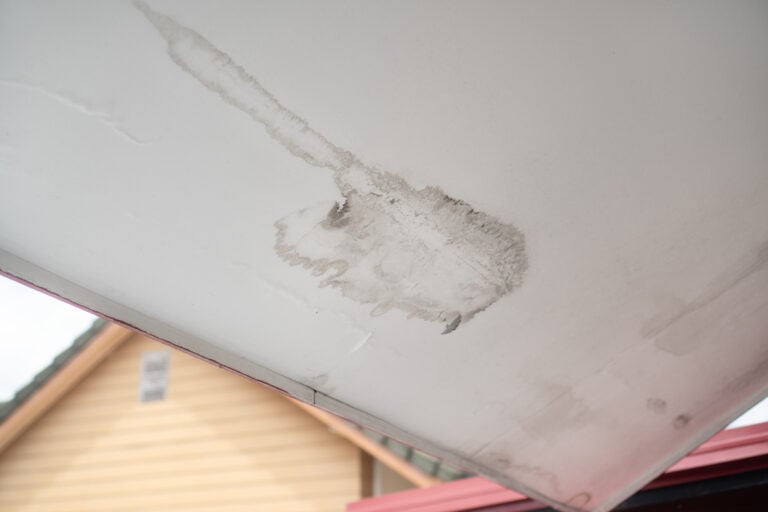
- Check for water stains: Look for discoloration on rafters or insulation.
- Inspect ventilation: Poor airflow causes condensation and mold growth.
- Look for daylight: Visible light through the roof decking can signal gaps or damage.
If you notice strong odors, wet insulation, or visible mold, bring in a pro for further evaluation.
5. Trim Trees Near Your Roof
Overhanging branches are one of the most preventable threats to your roof.
- Remove limbs: Trim branches that hang over or touch the roof.
- Watch for falling debris: Leaves and twigs can clog gutters and retain moisture.
- Inspect for pests: Squirrels and raccoons may use trees to access your roof.
Schedule trimming in spring or fall to avoid damage during storms.
6. Check Roof Vents and Exhaust Fans
Your roof system relies on proper airflow to regulate temperature and moisture.
- Inspect vent covers: Make sure they’re free of cracks and securely fastened.
- Clean screens: Remove debris from attic fans or soffit vents.
- Confirm function: Mechanical fans should be working properly if installed.
A well-ventilated attic helps extend your roof’s life and reduces energy costs.
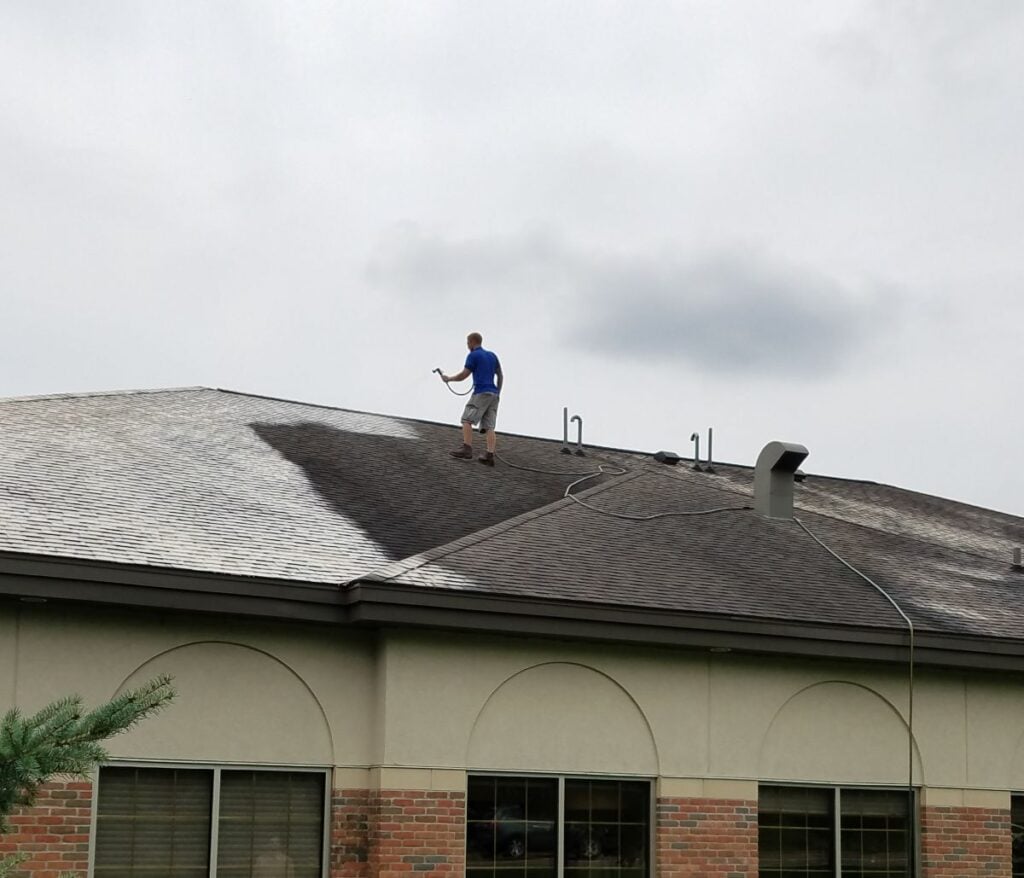
7. Look for Moss, Algae, or Lichen Growth
Organic buildup may look harmless at first but can quickly damage shingles.
- Moss traps moisture: It can cause shingles to lift and rot.
- Algae discoloration: Blue-green streaks affect curb appeal and indicate excess moisture.
- Safe removal: Use a gentle roof cleaner designed for your roofing material.
Avoid power washing, which can strip granules and damage delicate areas.
8. Schedule a Professional Roof Inspection
Even if everything looks fine, a licensed roofing contractor can spot hidden issues.
- Annual checkups: Most experts recommend a yearly inspection, especially after storms.
- Documentation: A roofer’s report can be useful for warranties or insurance claims.
- Peace of mind: Professionals assess structure, flashing, decking, and more.
Routine inspections are especially valuable for older roofs approaching the end of their lifespan.
Bonus Tip: Keep Records of All Roof Work
Maintaining a log of inspections, repairs, and cleaning helps you stay on top of your roof’s condition.
- Track problem areas: Note recurring issues or repairs made in certain locations.
- Warranty protection: Proof of maintenance may be required for warranty claims.
- Home resale value: Documentation assures buyers the roof has been cared for.
Whether you DIY or work with a pro, this habit adds long-term value and accountability.
Frequently Asked Questions About Roof Maintenance
1. How often should I clean my gutters?
At least twice per year—once in late spring and again in the fall. If you have trees near your home, more frequent cleanings may be needed.
2. When should I schedule a professional roof inspection?
Annually is ideal, especially before or after severe weather seasons. You should also call for an inspection after hailstorms, high winds, or if you notice leaks.
3. Can I walk on my roof to inspect it?
It’s best to avoid walking on your roof unless you’re trained and know it’s structurally sound. Many roofing materials can be damaged by foot traffic, and falls are a serious risk. Use binoculars or call a professional instead.
Protect Your Home With Regular Roof Maintenance
Keeping up with your roof maintenance checklist is one of the smartest things you can do as a homeowner in Chippewa Falls, WI, and surrounding areas. From protecting against storm damage to extending your roof’s lifespan, consistent upkeep helps you avoid costly surprises down the line.
At First American Roofing & Siding, Inc., we offer comprehensive roof inspections, professional maintenance, and expert guidance to help you keep your roof in peak condition. Whether you’re due for your annual checkup or unsure where to start, we’re here to help.
Contact First American Roofing today for a free roof inspection and expert maintenance advice you can trust.