TPO vs PVC Roofing (7 Differences, Costs & Best Uses)

Written By: First American Roofing

04/07/26

6 Mins
When comparing tpo vs pvc roofing, commercial property owners often want to know which membrane system delivers the best durability, energy efficiency, and long-term value for their building. Both materials are popular for flat and low-slope roofs, but they differ in cost, chemical resistance, flexibility, and installation methods. For building owners in Holmen, WI, and surrounding areas of Minnesota and Wisconsin, understanding these differences can help you choose the right system for your property.
- Commercial performance: Both TPO and PVC are widely used for flat and low-slope roofing systems.
- Cost considerations: TPO is typically more budget-friendly, while PVC often carries a higher upfront price.
- Application differences: Each membrane performs better in certain environments and building types.
Why TPO and PVC Are Popular Commercial Roofing Options
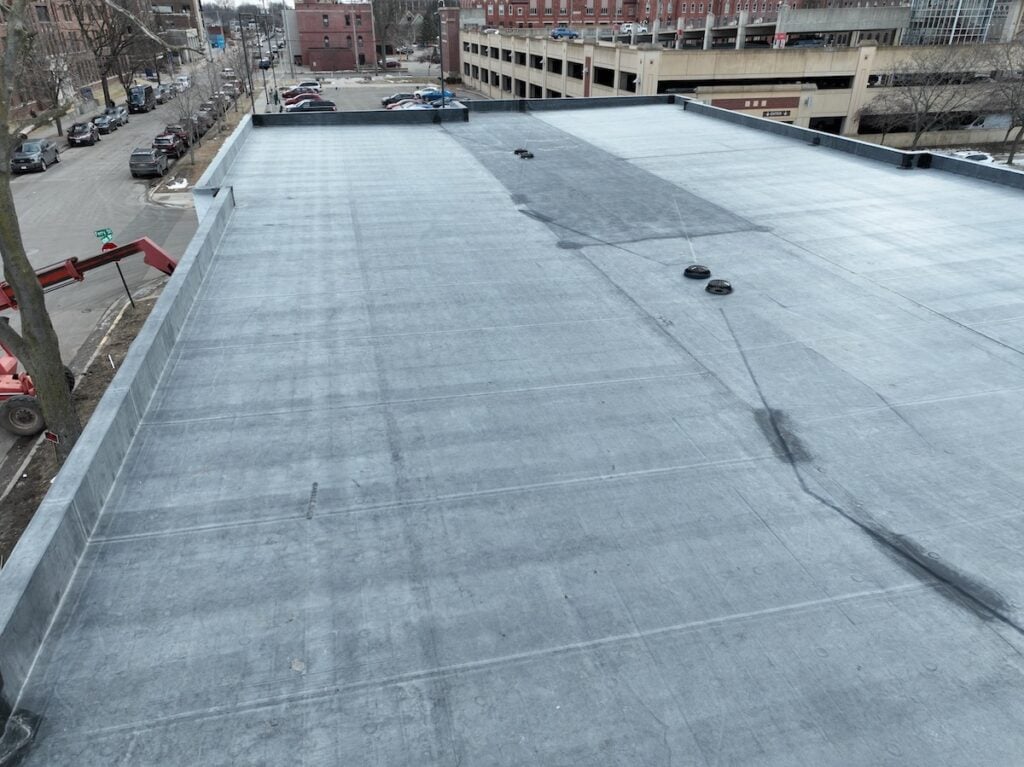
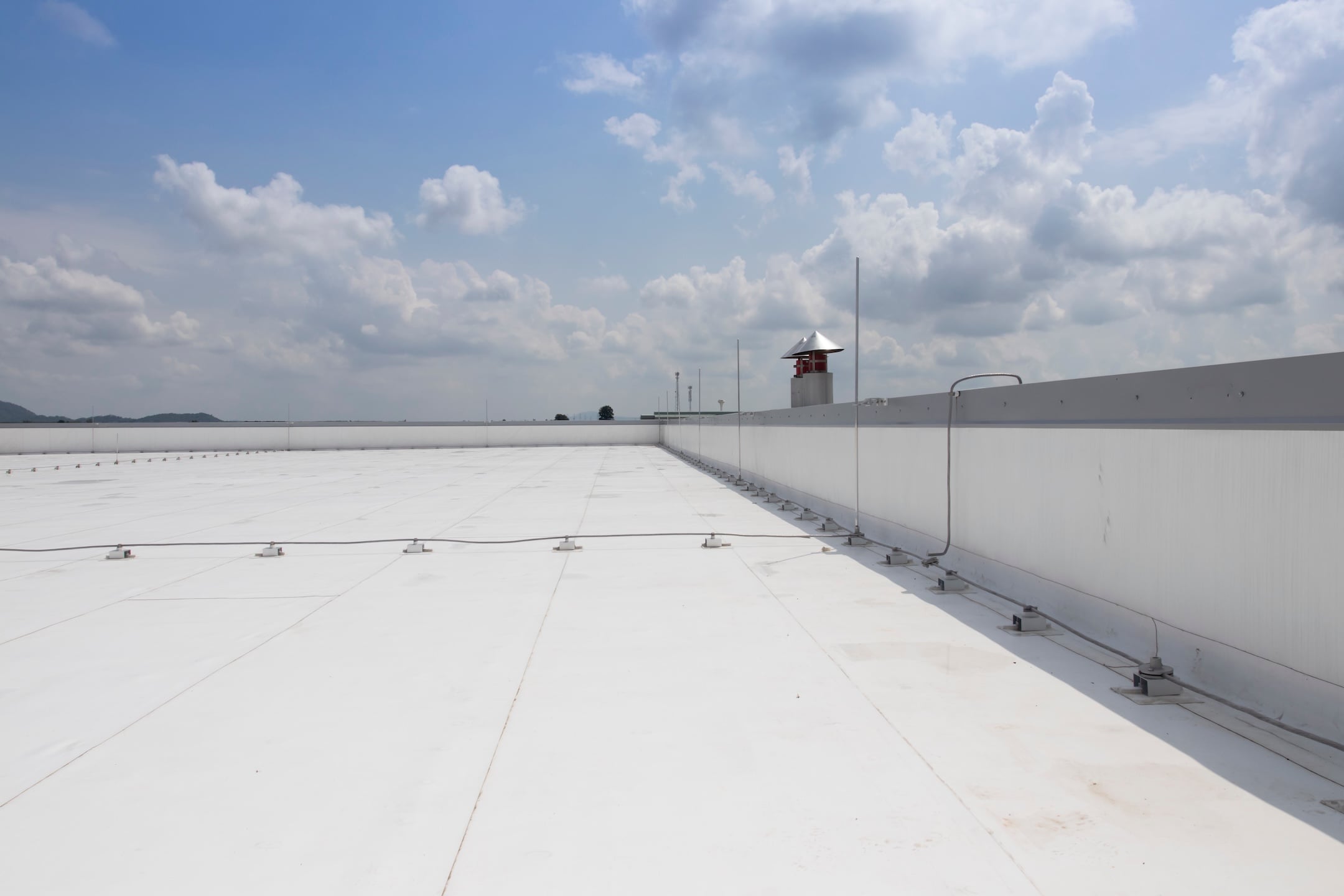
Single-ply membrane roofing systems have become the standard for many commercial buildings across the Midwest. Compared to older roofing systems, materials like TPO and PVC offer lighter weight, strong weather resistance, and efficient installation.
These membranes are also known for their reflective surfaces, which help reduce heat absorption and improve energy efficiency during hot summer months. At the same time, they remain flexible enough to handle seasonal temperature swings that are common in climates like Holmen and nearby areas.
However, while TPO and PVC may appear similar at first glance, their material composition and long-term performance characteristics differ in important ways.
7 Differences Between TPO and PVC Roofing
Before selecting a membrane roofing system, it helps to understand how these two materials compare across several key categories.
1. Material Composition
- TPO membrane: Made from thermoplastic polyolefin, a blend of rubber and polypropylene materials.
- PVC membrane: Made from polyvinyl chloride combined with plasticizers to enhance flexibility.
- Performance impact: PVC typically has a longer track record of performance due to its older manufacturing history.
2. Cost of Materials and Installation
- TPO roofing cost: Generally more affordable, making it a popular option for budget-conscious projects.
- PVC roofing cost: Higher upfront cost due to material composition and durability.
- Labor differences: Installation processes are similar, so labor costs are often comparable.
For many commercial property owners, TPO is attractive because it balances performance with a lower price point.
3. Chemical and Grease Resistance
- PVC roofing: Highly resistant to chemicals, oils, and grease.
- TPO roofing: Moderately resistant but not as strong as PVC in chemical-heavy environments.
- Ideal environments: Restaurants, factories, and facilities with rooftop grease vents often benefit from PVC roofing systems.
This difference is one of the main reasons certain industries prefer PVC over TPO.
4. Flexibility and Temperature Performance
- PVC flexibility: Remains flexible even in colder climates.
- TPO flexibility: Slightly less flexible but still performs well in most conditions.
- Midwest weather: Both systems can handle freeze-thaw cycles when installed properly.
Flexibility helps prevent cracking and seam failures as buildings expand and contract with temperature changes.
5. Energy Efficiency
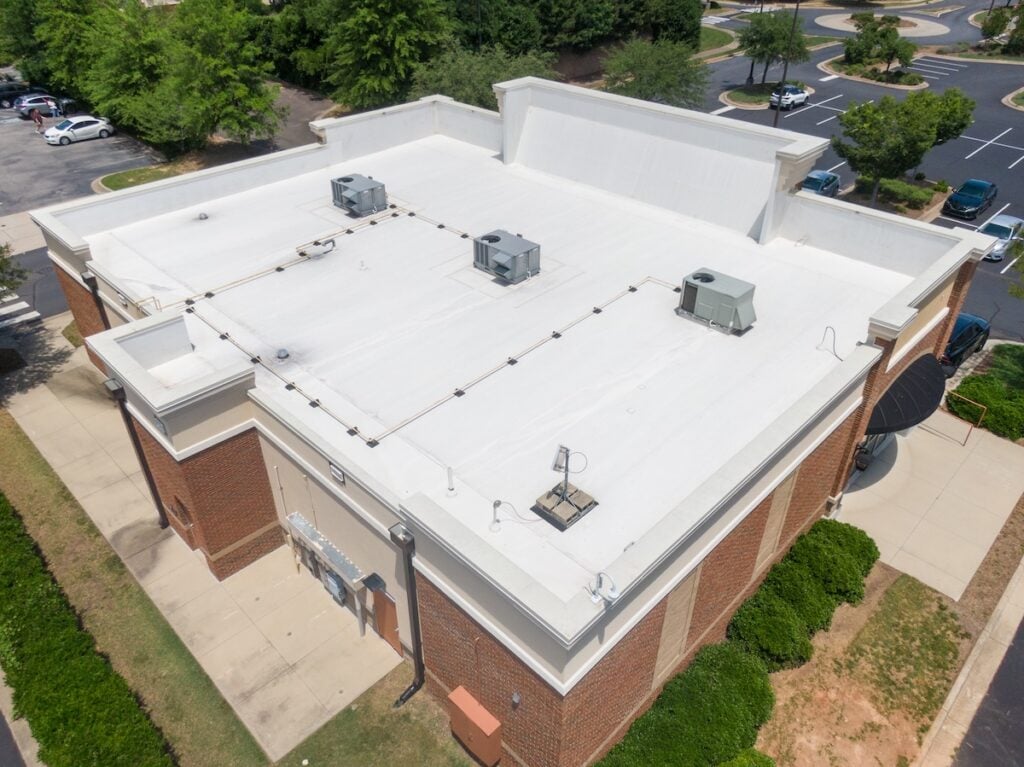
- Reflective surfaces: Both TPO and PVC membranes are typically white and reflective.
- Heat reduction: Reflective roofing helps reduce cooling costs during warm months.
- Sustainability benefits: Some membranes contribute to energy-efficient building certifications.
Energy-efficient roofs are especially beneficial for large commercial buildings with significant cooling needs.
6. Seam Strength and Installation Method
- Heat-welded seams: Both membranes use hot-air welding to fuse seams together.
- Watertight performance: Properly welded seams create a strong, waterproof bond.
- Durability differences: PVC seams have historically shown slightly stronger long-term reliability.
Seam strength is critical because seams are often the first place where leaks develop in flat roofing systems.
7. Lifespan and Long-Term Performance
- TPO lifespan: Typically 20–25 years with proper installation and maintenance.
- PVC lifespan: Often 25–30 years or more depending on conditions.
- Maintenance requirements: Both systems benefit from periodic inspections and minor repairs.
While both roofing materials offer strong longevity, PVC has historically demonstrated slightly longer life expectancy in demanding environments.
Best Uses for TPO Roofing
TPO roofing systems are widely used across many commercial buildings due to their cost efficiency and reliable performance.
- Warehouses: Large roof areas benefit from TPO’s affordability.
- Office buildings: Reflective surfaces help reduce cooling costs.
- Retail buildings: Lightweight membranes minimize structural load.
For many standard commercial buildings, TPO offers an excellent balance of cost and performance.
Best Uses for PVC Roofing
PVC roofing tends to be chosen when additional durability or chemical resistance is required.
- Restaurants: Grease exhaust systems require chemical-resistant roofing.
- Manufacturing facilities: Exposure to chemicals makes PVC a safer choice.
- Industrial buildings: Durable membranes withstand harsh conditions.
Although the initial investment may be higher, PVC can deliver better long-term performance in demanding environments.
Cost Comparison for Commercial Buildings
While costs vary based on roof size, insulation, and installation complexity, general price ranges can help property owners understand the difference.
| Roofing Type | Average Installed Cost Per Square Foot | Expected Lifespan |
| TPO Roofing | $6–$10 per sq. ft. | 20–25 years |
| PVC Roofing | $7–$12+ per sq. ft. | 25–30 years |
These estimates can vary depending on building size, insulation requirements, and regional labor costs.
3 Frequently Asked Questions About TPO vs PVC Roofing
1. Is TPO or PVC roofing better for cold climates?
Both materials perform well in colder regions when installed properly. PVC tends to remain slightly more flexible in very low temperatures, which can help reduce cracking over time.
2. Which roofing system is more energy efficient?
Both TPO and PVC membranes are highly reflective and can help reduce cooling costs. Their white surfaces reflect sunlight and reduce heat absorption compared to darker roofing materials.
3. Can TPO or PVC roofing be installed over existing roofs?
In many cases, yes. If the existing roof structure is in good condition, a new membrane system can sometimes be installed over it with proper insulation and preparation. A professional inspection is required to determine if this is possible.
Learn More About Commercial Roofing Options
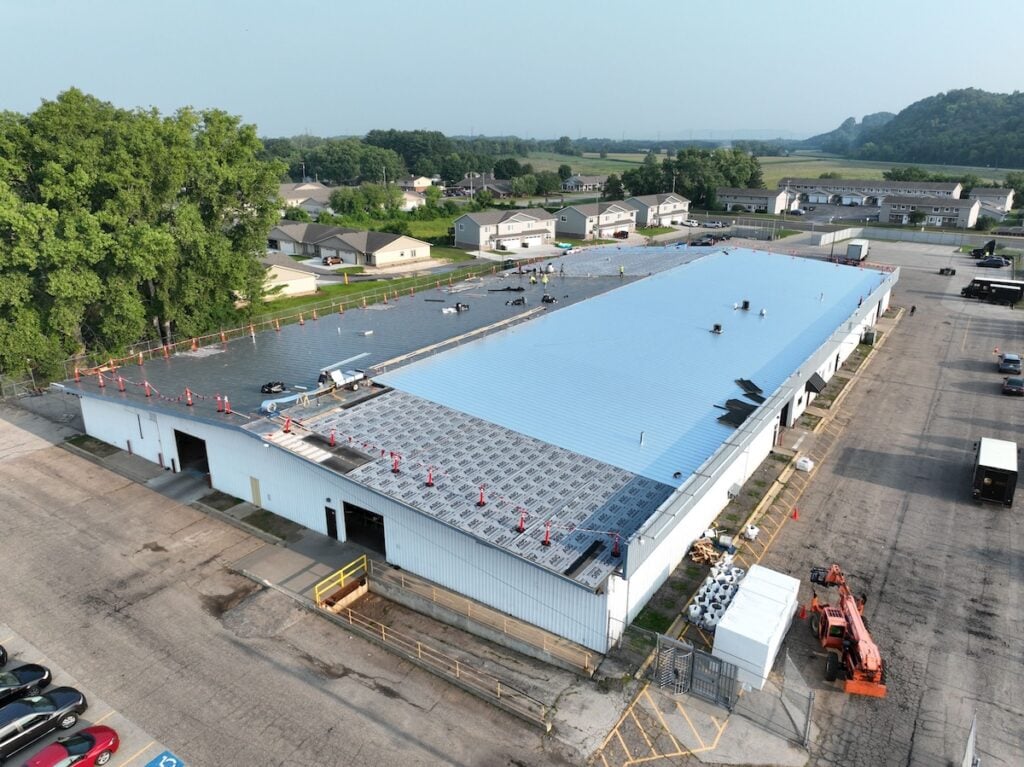
Choosing between tpo vs pvc roofing depends on your building’s use, environmental conditions, and long-term goals. Property owners in Holmen, WI, and surrounding areas of Minnesota and Wisconsin often evaluate cost, durability, and energy performance before deciding which membrane system makes the most sense.
If you’re planning a commercial roofing project or exploring replacement options, understanding the differences between these materials can help you make a more informed decision. For guidance on commercial roofing systems, inspections, or installation planning, reach out to First American Roofing & Siding, Inc. to schedule a consultation and discuss the best solution for your building.