6 Types of Roof Damages That Are Covered by Insurance

Written By: First American Roofing

10/05/23

7 Mins
If you’ve ever found yourself wondering what kind of roof damage is covered by insurance, you’re not alone. From unexpected storms to falling tree branches, roof damage can come out of nowhere, and figuring out if insurance will help cover the cost can feel overwhelming. Understanding the basics of coverage, exclusions, and repair costs can help you make smart decisions when the unexpected happens.
In this guide, you’ll learn:
- What damage insurance may cover: Learn the most common covered scenarios.
- What’s typically excluded: Know when repairs may be your responsibility.
- What to expect with costs: Get a better sense of how roof replacement factors in.
🔍 How To Recognize Roof Damage Early

Spotting issues early can increase your chances of getting insurance coverage and reduce the risk of further damage to your home. Regular inspections and knowing what to look for can help prevent minor concerns from becoming major repairs.
Missing or Damaged Shingles
Strong winds, hail, or flying debris can tear shingles off your roof or crack them, leaving bare spots that expose the underlying materials. These visible signs are often one of the first clues that damage has occurred.
Leaks or Water Stains
Brown spots on ceilings or walls can be indicators of a roof leak. Leaks can be caused by compromised flashing, deteriorated sealant, or damage from severe weather. Even small leaks should be addressed right away to avoid mold or rot.
Granule Loss
If you notice granules from your asphalt shingles collecting in your gutters or near downspouts, it’s a sign your shingles are aging or wearing down from storm exposure. Granule loss can reduce your roof’s ability to resist UV rays and moisture.
Sagging Roof Deck
A roof that appears uneven or sunken in sections may indicate structural damage. This can occur from prolonged moisture exposure and may suggest serious problems in the framing or decking materials.
📋 6 Types of Roof Damage That May Be Covered by Insurance
- Storm and Wind Damage: Severe storms and high winds are some of the most common causes of roof damage. Insurance policies often cover damage caused by wind-driven rain, downed tree limbs, or flying debris.
- Hail Damage and Impact: Hailstorms can crack or dent shingles and loosen granules, leading to leaks. If your roof shows signs of hail impact, a professional inspection can help you determine if a roof insurance claim is appropriate.
- Fire or Smoke Damage: Whether caused by wildfires, electrical issues, or an external event, fire damage to your roof is typically covered. This includes both direct fire damage and secondary damage caused by smoke or firefighting efforts.
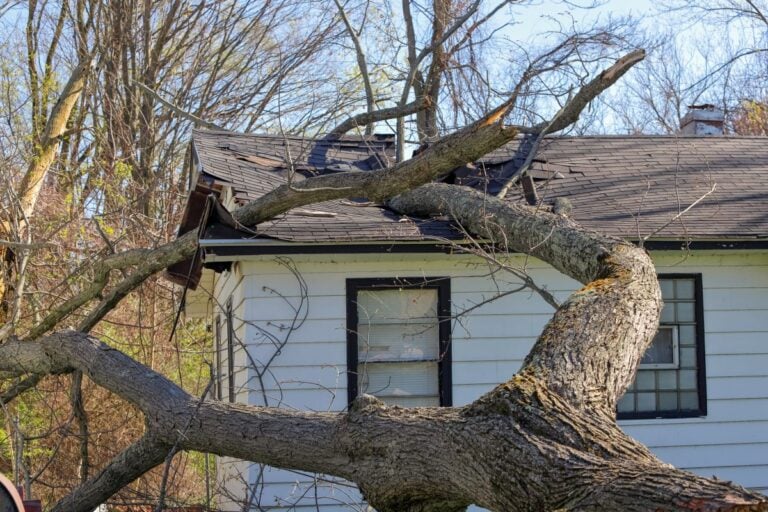
- Falling Objects: If a tree branch or heavy object lands on your roof and causes damage, repairs are often covered under standard homeowner’s insurance policies.
- Vandalism or Malicious Acts: Roof damage caused intentionally—such as someone throwing an object onto your roof or tampering with materials—may be considered a covered loss depending on your policy.
- Weight of Snow or Ice: In cold climates, heavy snow loads or ice dams can cause structural stress or even collapse. Most policies include provisions for weather-related weight damage, especially if it’s sudden and unpreventable.

❌ What Insurance Typically Does Not Cover
While insurance provides valuable protection for many scenarios, it doesn’t cover everything. Here are a few common exclusions that homeowners should be aware of:
Normal Wear and Tear
- Age-related damage: Over time, every roof will show signs of wear. Shingle curling, fading, or minor cracking due to age is typically not covered by insurance. These are considered maintenance issues.
Neglect or Delayed Repairs
- Homeowner responsibility: If a known issue—such as a small leak—is ignored and leads to bigger problems, insurance may deny your claim. Regular inspections and maintenance help avoid disputes over negligence.
Flood and Earthquake Damage
- Not included in standard policies: If your area experiences floods or earthquakes, you’ll likely need additional coverage. Roof damage resulting from these disasters usually requires specialized insurance.
Cosmetic Issues
- Aesthetic-only damage: Dents or minor granule loss that doesn’t affect functionality may not qualify for reimbursement. Many insurers distinguish between structural damage and superficial marks that don’t cause leaks.
Poor Installation or Faulty Materials
- Workmanship issues: Insurance typically won’t cover damage resulting from improper installation or defective roofing products. This is why it’s essential to work with a qualified, licensed roofing contractor.
💵 Estimating Roof Replacement Costs
Understanding potential replacement costs can help you better plan if your insurance doesn’t fully cover your needs. Prices vary based on location, material, and home size, but here’s a general breakdown:
Asphalt Shingles
- Cost-effective and common: Asphalt shingles are one of the most affordable options for homeowners. Replacing an average-sized asphalt roof can range from $5,000 to $10,000, depending on materials and labor rates.
Wood Shingles
- Aesthetic but costly: Wood shingles offer a rustic look but require more maintenance and cost more to install. Prices typically range from $10,000 to $20,000 or more for full replacements.
Metal Roofing
- Durable and long-lasting: Metal roofs come at a higher upfront cost—generally between $15,000 and $30,000—but offer excellent durability and lifespan. Insurance coverage can sometimes offset repair costs due to hail or storm damage.
Slate or Tile Roofing
- Premium materials: Slate and tile are among the most durable and attractive options, but they can be costly. Replacement costs often fall between $20,000 and $40,000 depending on roof complexity and square footage.
Keep in mind that insurance coverage may not fully cover a roof replacement, particularly if the roof is older or if you have a higher deductible. Always review your policy carefully and speak with your insurance provider before making decisions.
✅ What To Do If You Suspect Roof Damage
Schedule a Professional Inspection
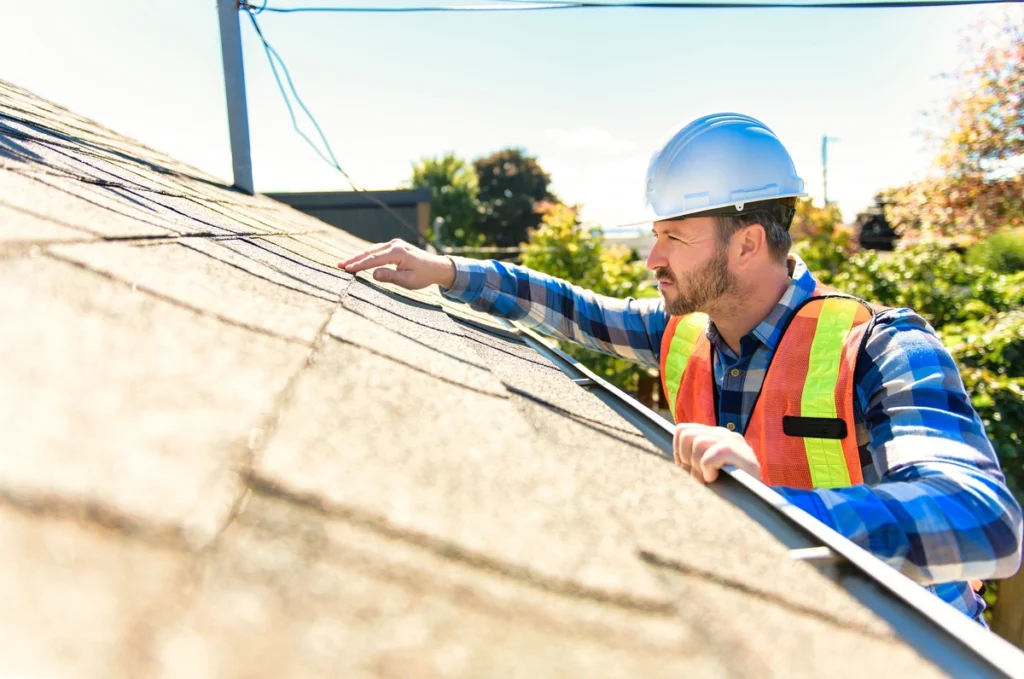
If you’ve recently experienced a storm or noticed any signs of damage, it’s best to get your roof evaluated by a licensed contractor. An inspection can help determine if a claim is warranted and ensure you catch minor issues before they become major expenses.
Document the Damage
Take clear photos of any visible damage, both inside and outside your home. Documenting the damage immediately improves your chances of a successful claim and helps avoid disputes with your insurer.
File Promptly
Most insurance companies have time limits for submitting roof damage claims. Contact your agent as soon as possible after the incident to begin the process and get guidance on the next steps.
Work With a Trusted Roofing Partner for Roof Repair or Replacement
Navigating claims can be tricky. That’s why it helps to work with a roofing contractor who understands how to assess damage, assist with paperwork, and communicate directly with insurance adjusters.
🤝 Take the Guesswork Out of Roof Insurance
If you’ve been wondering what kind of roof damage is covered by insurance, the truth is—it depends. While many forms of sudden or accidental damage are often covered, there are also common exclusions to be aware of. Acting quickly, keeping records, and working with a trusted contractor are key steps in protecting your investment and minimizing out-of-pocket expenses.
At First American Roofing and Siding, we know how to spot the difference between storm-related damage and wear and tear. We’re here to help you navigate the insurance process, from inspection to paperwork to repair.
Contact us today to schedule a consultation and get a free estimate, and take the next step toward protecting your roof and your home with confidence.