Low Slope Roofing (6 Best Systems, Costs & Lifespan)

Written By: First American Roofing

04/16/26

6 Mins
Choosing the right low slope roofing system is essential for commercial property owners who want long-term durability, weather protection, and predictable maintenance costs. Unlike steep residential roofs, low slope roofs require specialized materials and installation methods that can handle standing water, temperature changes, and heavy use from rooftop equipment.
- Commercial performance: Low slope roofing systems are designed to protect large commercial structures efficiently.
- Cost control: The right roofing system can reduce long-term maintenance and energy expenses.
- Longevity: Modern roofing membranes can last decades with proper installation and inspections.
Why Low Slope Roofing Is Common for Commercial Buildings
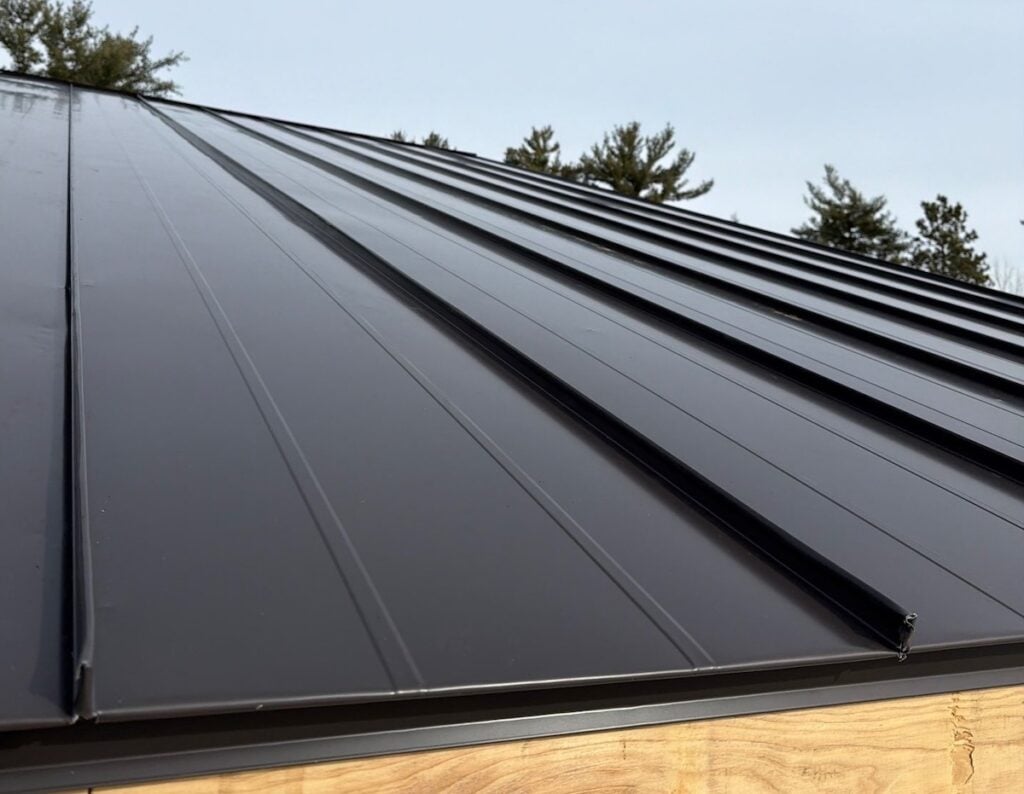
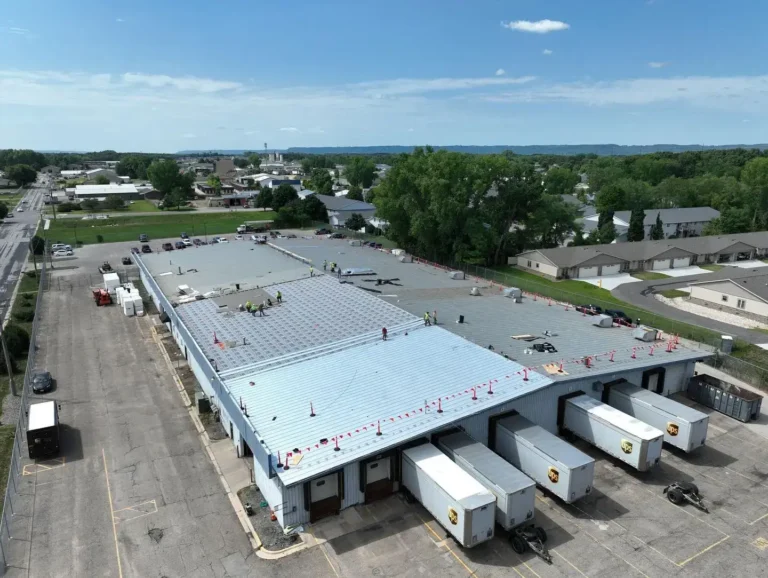
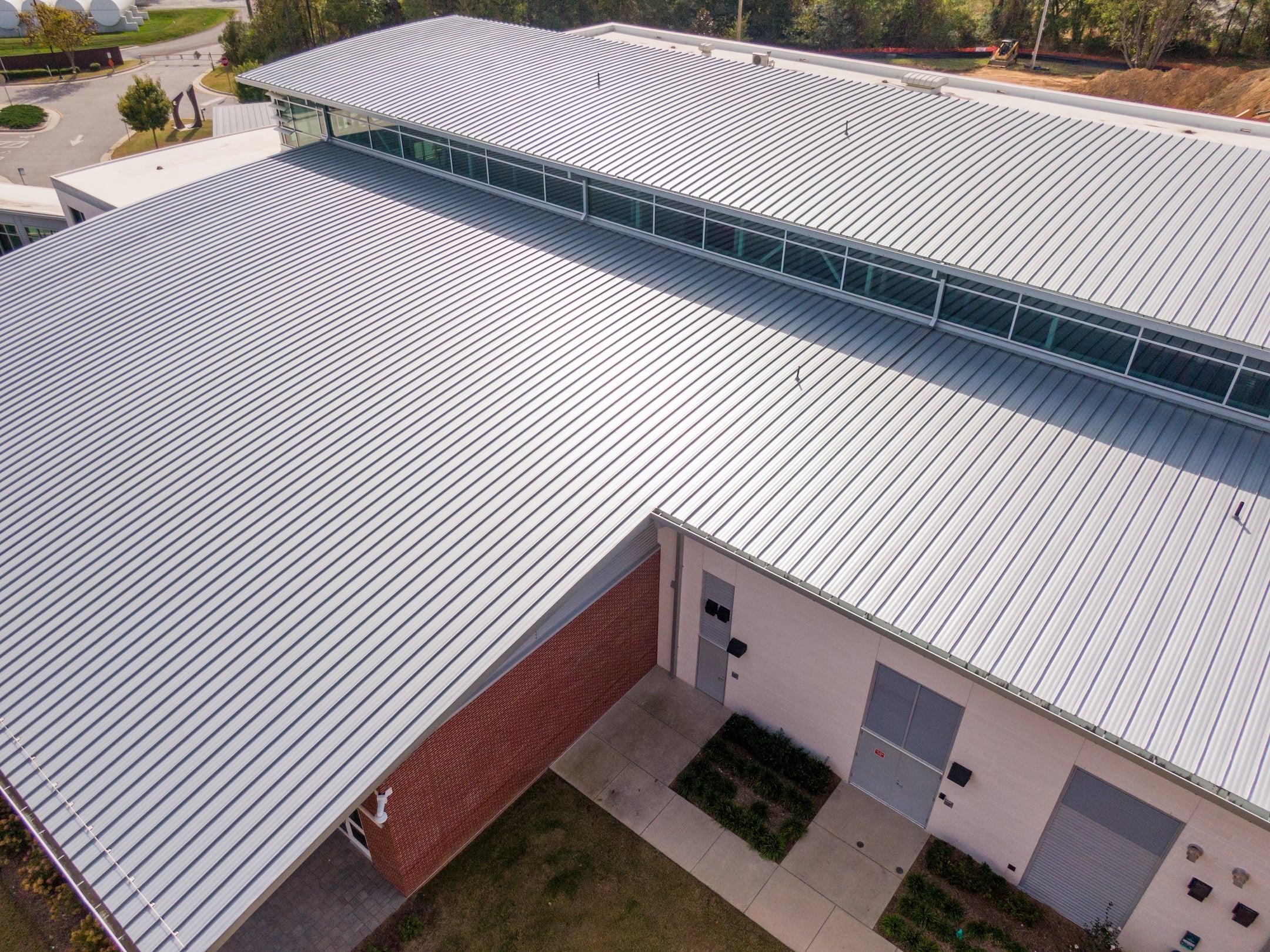
Low slope roofs are widely used on commercial buildings such as warehouses, office complexes, manufacturing facilities, and retail centers. Their relatively flat design allows for easier installation of HVAC systems, solar panels, and other rooftop equipment.
For commercial property owners in Eau Claire, WI and surrounding areas, low slope roofs are especially practical because they handle snow loads well and allow snow to melt gradually rather than sliding off quickly. However, because water drains more slowly than on steep roofs, selecting the right roofing system is critical.
Low slope roofing systems are designed to provide strong waterproofing, durable seams, and long-term performance. Understanding the most common options can help property owners make informed decisions when planning roof replacement or new construction.
6 Best Low Slope Roofing Systems for Commercial Buildings
Each roofing system has advantages depending on the building’s purpose, budget, and environmental conditions.
1. TPO Roofing
- Energy efficiency: White reflective surfaces help reduce heat absorption and cooling costs.
- Affordable installation: TPO is often one of the most cost-effective commercial roofing systems.
- Strong seam welding: Heat-welded seams create watertight bonds.
TPO membranes are commonly installed on warehouses, retail stores, and office buildings because they balance performance and affordability.
2. PVC Roofing
- Chemical resistance: Performs well in environments exposed to grease, oils, or chemicals.
- Durable seams: Heat-welded seams create strong waterproof connections.
- Long lifespan: Often lasts longer than some other membrane systems.
PVC roofing is frequently used on restaurants, manufacturing facilities, and industrial buildings where rooftop exhaust systems may produce grease or chemical exposure.
3. EPDM Rubber Roofing
- Proven reliability: One of the longest-standing low slope roofing systems.
- Flexibility: Performs well in cold climates and temperature fluctuations.
- Affordable material costs: Often less expensive than many modern membranes.
EPDM roofs are commonly found on older commercial buildings but remain a popular option for many new installations.
4. Modified Bitumen Roofing
- Multi-layer protection: Reinforced layers improve durability and waterproofing.
- Good for foot traffic: Strong surface helps resist damage from rooftop maintenance.
- Traditional reliability: Similar structure to built-up roofing systems.
Modified bitumen systems are often used on buildings that require frequent rooftop access for equipment servicing.
5. Built-Up Roofing (BUR)
- Multiple protective layers: Asphalt and reinforcing fabrics create thick waterproof protection.
- Strong durability: Built-up roofing has been used successfully for over a century.
- Heavy-duty protection: Ideal for buildings that require maximum durability.
BUR systems remain common on older commercial properties and some industrial facilities.
6. Spray Polyurethane Foam (SPF)
- Seamless waterproofing: Expands to fill cracks and gaps across the entire roof surface.
- High insulation value: Helps improve building energy efficiency.
- Restoration capability: Often used to restore existing roofing systems.
SPF roofing systems can be applied directly over certain existing roofs, making them useful for restoration projects.
Low Slope Roofing Costs for Commercial Buildings
Commercial roofing costs vary depending on materials, insulation requirements, roof size, and labor. However, general price ranges can provide a useful starting point for planning.
Typical cost ranges include:
- TPO roofing: Approximately $6 to $10 per square foot installed.
- PVC roofing: Typically $7 to $12 per square foot depending on thickness.
- EPDM roofing: Around $5 to $9 per square foot.
- Modified bitumen: Roughly $6 to $10 per square foot installed.
- Built-up roofing: Approximately $7 to $12 per square foot depending on layers.
- Spray polyurethane foam: Usually $7 to $13 per square foot.
Prices vary based on roof accessibility, insulation needs, and the condition of the existing roofing system.
Expected Lifespan of Low Slope Roofing Systems
Commercial property owners often prioritize roofing systems that offer predictable long-term performance.
Average lifespans include:
- TPO roofing: 20 to 25 years
- PVC roofing: 25 to 30 years
- EPDM roofing: 20 to 30 years
- Modified bitumen: 20 to 25 years
- Built-up roofing: 20 to 30 years
- SPF roofing: 20+ years with proper maintenance
Regular inspections and maintenance play a major role in achieving these lifespan estimates.
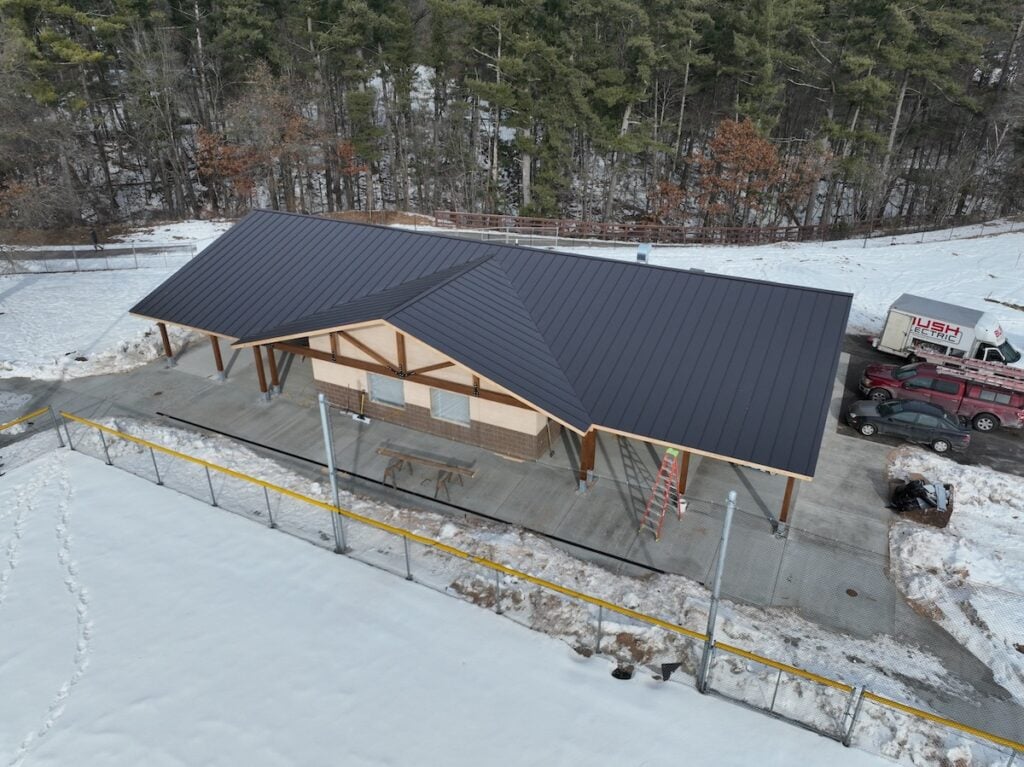
Factors That Affect Low Slope Roof Longevity
Even the best roofing system will perform poorly if it is not installed or maintained correctly. Several factors influence how long a commercial roof lasts.
- Proper installation: Skilled contractors ensure seams, flashing, and drainage are installed correctly.
- Drainage design: Ponding water can shorten the life of any low slope roof.
- Regular inspections: Identifying damage early prevents expensive repairs later.
- Weather exposure: UV radiation, snow loads, and storms affect roof materials differently.
Routine maintenance can significantly extend the life of a commercial roofing system.
Maintenance Tips for Low Slope Roofing
Maintaining a low slope roof is essential for protecting your building and maximizing the return on your roofing investment.
- Schedule annual inspections: Professional inspections identify small problems early.
- Keep drains clear: Remove debris from drains and gutters to prevent ponding water.
- Inspect seams and flashing: These areas are common points for leaks.
- Monitor rooftop equipment: HVAC systems and vents can cause damage if improperly maintained.
Property owners who invest in preventive maintenance often avoid expensive emergency repairs.
Frequently Asked Questions About Low Slope Roofing
1. What qualifies as a low slope roof?
A low slope roof typically has a pitch of 3:12 or less, meaning the roof rises three inches or less for every twelve inches of horizontal distance. These roofs require specialized waterproofing systems rather than standard shingles.
2. Which low slope roofing system lasts the longest?
PVC, EPDM, and built-up roofing systems often provide some of the longest lifespans when installed properly and maintained regularly.
3. How often should commercial low slope roofs be inspected?
Most experts recommend at least one professional inspection per year, along with additional inspections after severe storms or heavy snowfall.
Protect Your Commercial Property With the Right Roofing System
Selecting the right low slope roofing system is one of the most important decisions commercial property owners can make to protect their building and control long-term operating costs. With the right materials, installation, and maintenance plan, a commercial roof can provide reliable protection for decades.
For commercial property owners in Eau Claire, WI and surrounding areas, working with experienced roofing professionals can help ensure your building receives the right roofing system for its structure, budget, and long-term needs.
If you’re planning a commercial roof replacement or evaluating your current system, contact First American Roofing & Siding, Inc. to schedule a professional consultation and discuss the best options for your property.