How Much Snow Can A Roof Hold? (Homeowner Tips)

Written By: First American Roofing

01/06/26

5 Mins
Understanding how much snow can a roof hold is essential for homeowners in snowy regions like Winona, MN, and surrounding areas of Minnesota and Wisconsin. While a fresh snowfall might look beautiful on your rooftop, too much accumulation can put serious stress on your roof structure—leading to leaks, sagging, or even collapse.
- Heavy loads: Wet, compacted snow is much heavier than fluffy snow.
- Risk of damage: Excess weight can weaken framing and lead to costly repairs.
- Snow removal: Knowing when to act can protect your home and your safety.
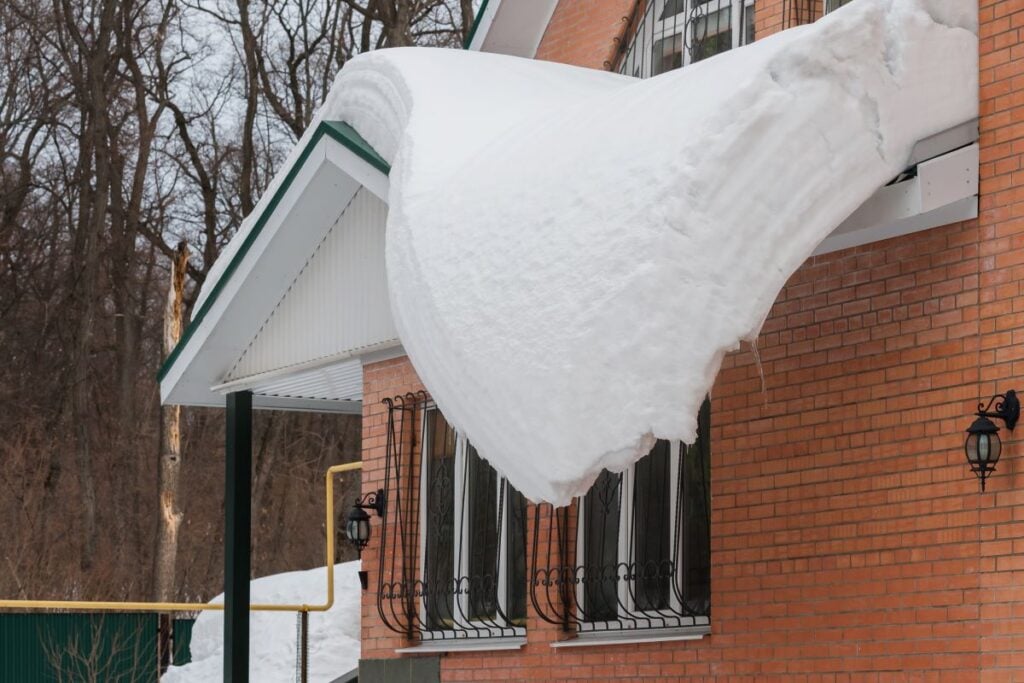
Why Snow Load Matters for Your Roof
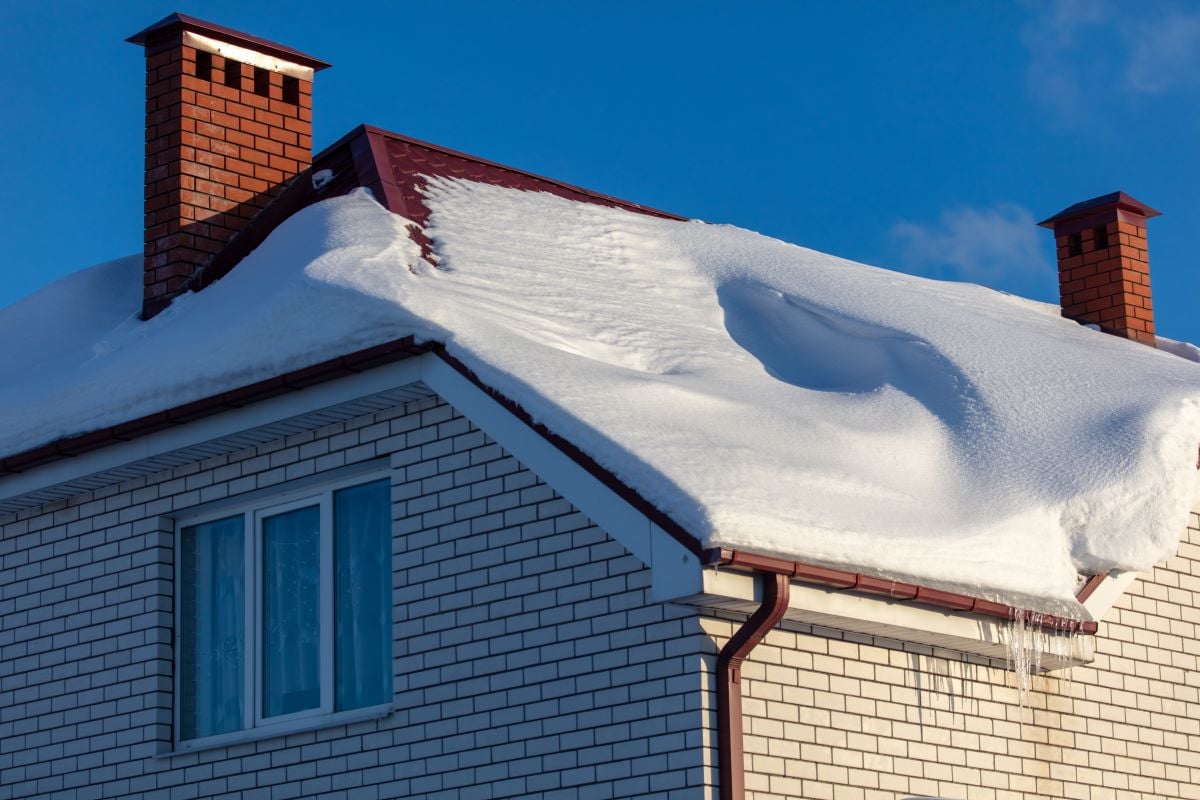
Every roof is designed with a load-bearing limit, and in regions with regular snowfall, local building codes reflect that. However, snow isn’t uniform—its weight depends on depth, density, and whether it’s combined with ice. A roof might handle 12 inches of fluffy snow just fine, but 6 inches of wet, heavy snow could cause major issues.
When snow accumulates unevenly—especially due to wind drifting or clogged valleys—it can create pressure points. That uneven distribution increases the chances of structural stress, leading to cracks, leaks, or even collapse if not addressed in time.
For homeowners in Winona and surrounding areas, knowing your roof’s capacity and monitoring snowfall can help you avoid emergency repairs this winter.
How Snow Weight Is Measured
Roof snow load is typically measured in pounds per square foot (psf). Most residential roofs in the Midwest are built to withstand 20–40 psf, depending on pitch, materials, and local code requirements.
- Light snow: About 1 inch of light, fluffy snow = 1 psf
- Packed snow: Around 3–5 psf per inch
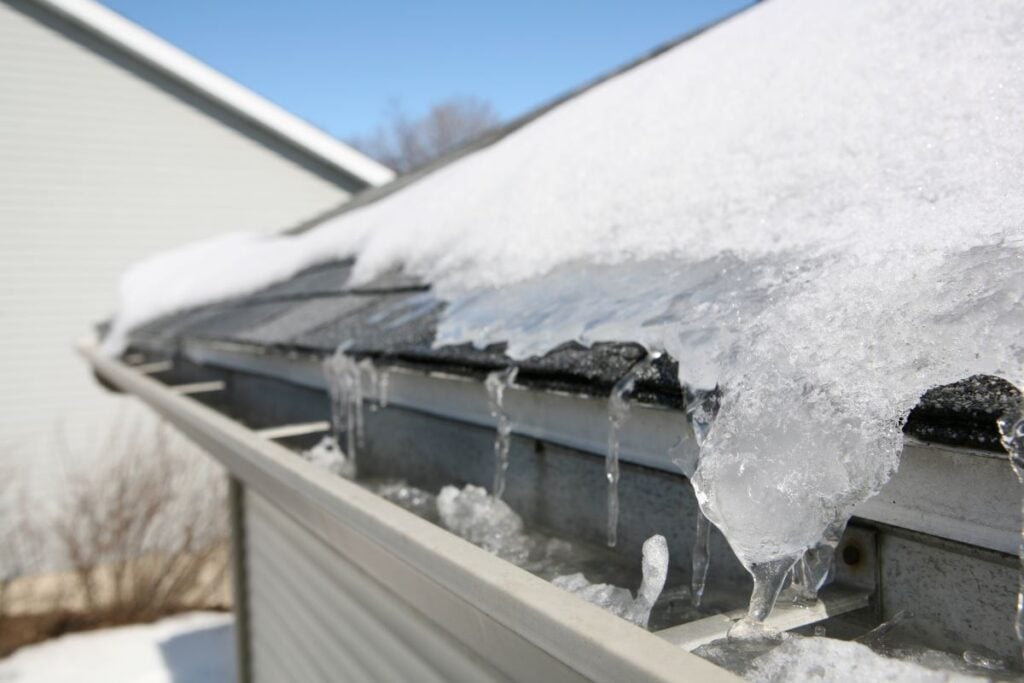
- Ice: 1 inch of ice = 5–8 times heavier than snow
- Snow + ice mix: Especially dangerous due to unpredictable density
Snow that melts and refreezes adds even more weight over time, making early intervention important.
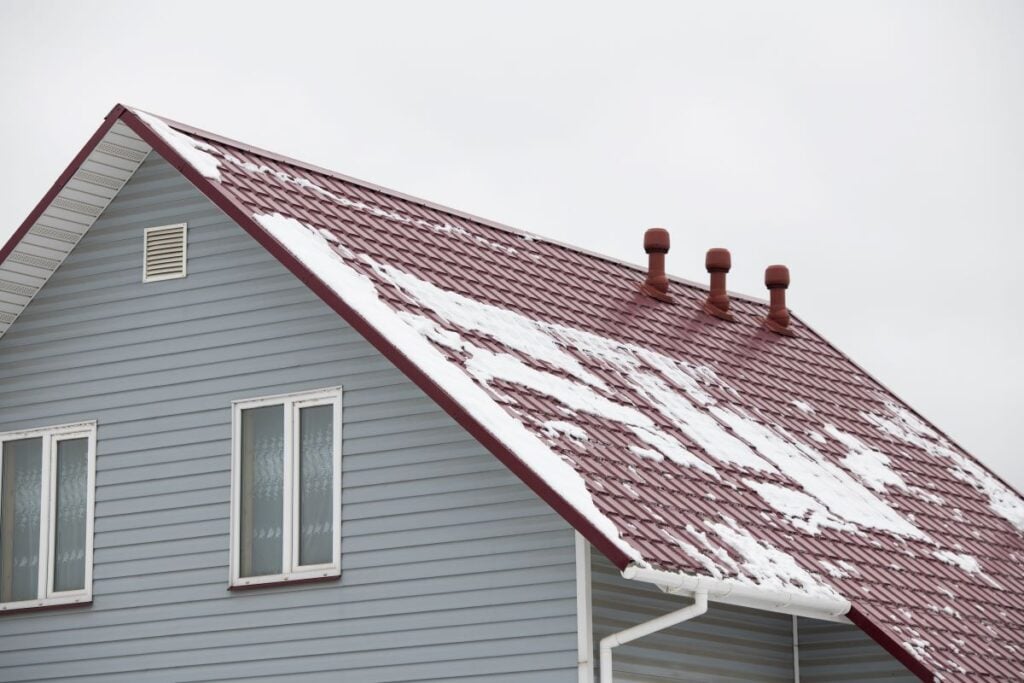
5 Tips to Safely Manage Roof Snow Load
These homeowner tips will help you prevent snow-related roof damage and maintain safety throughout the winter.
1. Know Your Roof’s Design Limits
Not all roofs are created equal. Factors like pitch, age, and framing affect how much snow your roof can safely support.
- Steeper slopes: Help snow slide off more easily, reducing buildup.
- Flat or low-slope roofs: Accumulate snow faster and require more attention.
- Older homes: May not meet modern snow load standards.
If you’re unsure about your roof’s structure, schedule a professional inspection before the snow season begins.
2. Monitor Snow Accumulation
Keep an eye on snow depth after every storm, especially during periods of back-to-back snowfall.
- Use a snow gauge: Simple tools help you measure depth and estimate weight.
- Watch for drift zones: Snow can pile up higher near roof valleys, dormers, and vents.
- Check indoor ceilings: Cracks or bowing drywall may signal structural stress.
Tracking accumulation allows you to act before problems begin.
3. Use Safe Snow Removal Methods
When snow gets too deep, removing it can prevent damage—but safety comes first.
- Use a roof rake: Long-handled tools let you remove snow from the ground.
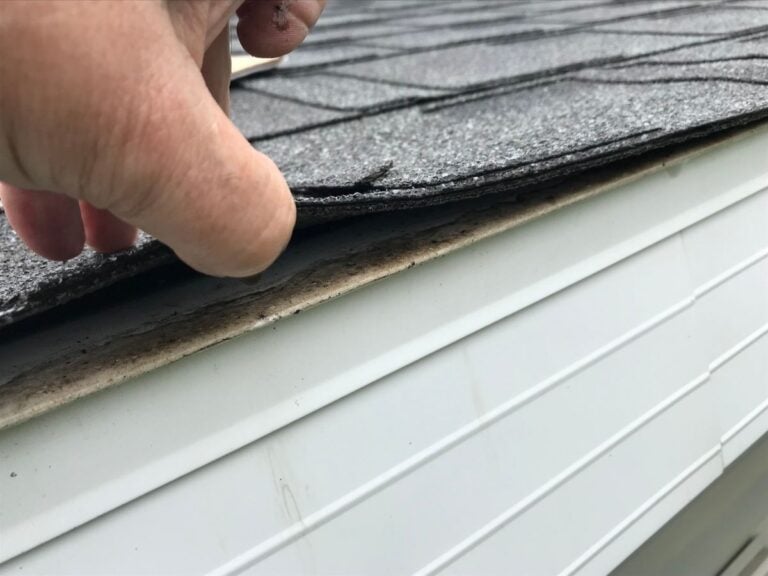
- Don’t chip ice: This can damage shingles and flashing.
- Hire professionals: For two-story homes or icy conditions, always call in the pros.
Never climb onto a snowy or icy roof yourself.
4. Watch for Warning Signs of Too Much Snow
Recognizing the red flags can help you act before real damage occurs.
- Unusual creaking: May indicate stress on the framing.
- Doors or windows sticking: Could signal shifting or bowing structures.
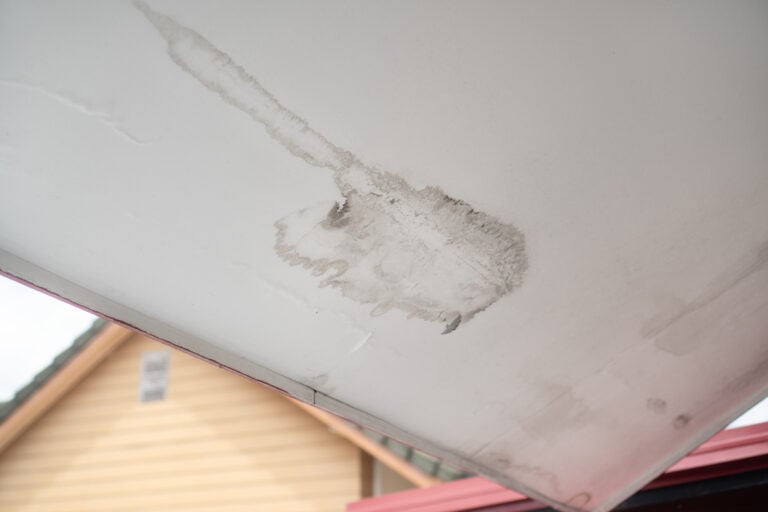
- Leaking ceilings: Water from melting snow or ice dams can find its way inside.
If any of these signs appear, call a roofing professional right away.
5. Prevent Future Buildup
Long-term strategies can reduce snow accumulation and ice dam formation.
- Improve attic insulation: Keeps warm air from melting rooftop snow.
- Install proper ventilation: Helps regulate roof temperature and moisture.
- Add snow guards: These prevent dangerous snow slides from pitched roofs.
Preventative upgrades now can reduce roof strain in future winters.
Common Misconceptions About Roof Snow Load
Snow-related roof damage is often misunderstood. Here are a few myths worth clearing up:
- Myth: New roofs can’t collapse. Even modern roofs can fail if overloaded or poorly maintained.
- Myth: If there’s no leak, there’s no problem. Structural issues can occur long before water enters the home.
- Myth: All snow weighs the same. Wet, compacted snow is significantly heavier and more dangerous.
Being proactive is always better than reacting to damage after the fact.
Frequently Asked Questions About Roof Snow Load
1. How much snow is too much for my roof?
There’s no one-size-fits-all answer, but as a general rule: more than 20 inches of wet, heavy snow or 40 inches of fluffy snow may be approaching your roof’s limit. Call a professional if you’re concerned.
2. Can roof damage from snow be covered by insurance?
Yes, most homeowners insurance policies cover roof damage from snow load or ice dams, especially if caused by a specific storm. However, neglect (like not clearing obvious buildup) may reduce coverage.
3. What type of roof is best for snowy climates?
Steep-sloped roofs with metal or asphalt shingles are ideal for snow shedding. Upgrades like enhanced ventilation and snow guards also help reduce snow and ice-related damage.
Protect Your Roof From Heavy Snow With First American
If you’re worried about how much snow your roof can hold in Winona, MN, and surrounding areas of Minnesota and Wisconsin, our experts are here to help. At First American Roofing & Siding, Inc., we’ve seen firsthand how heavy snow and ice affect local homes—and we know how to prevent it.
From winter roof inspections to snow removal, insulation upgrades, and roof repairs, our team delivers trusted service and lasting results. Let us help you keep your home safe and dry this winter.
Contact First American today for a free estimate and take control of your roof’s winter performance with confidence.