Concrete Roof (Lifespan, Installation & More)

Written By: First American Roofing

10/07/25

5 Mins
If you are planning a major commercial roofing project, you may be weighing whether a flat concrete roof is the right investment. Known for its unmatched strength, fire resistance, and ability to withstand decades of use, concrete has become a trusted choice for commercial property owners. While the initial cost is higher than options like modified bitumen or single-ply systems, the durability and longevity often make it the smarter long-term solution.
- Impressive durability: a flat concrete roof can last 50 years or more with professional care.
- Superior protection: concrete resists wind, hail, fire, and heavy snow loads.
- Low risk of pests and rot: concrete does not attract insects or deteriorate from moisture.
👉 What Is A Concrete Roof?
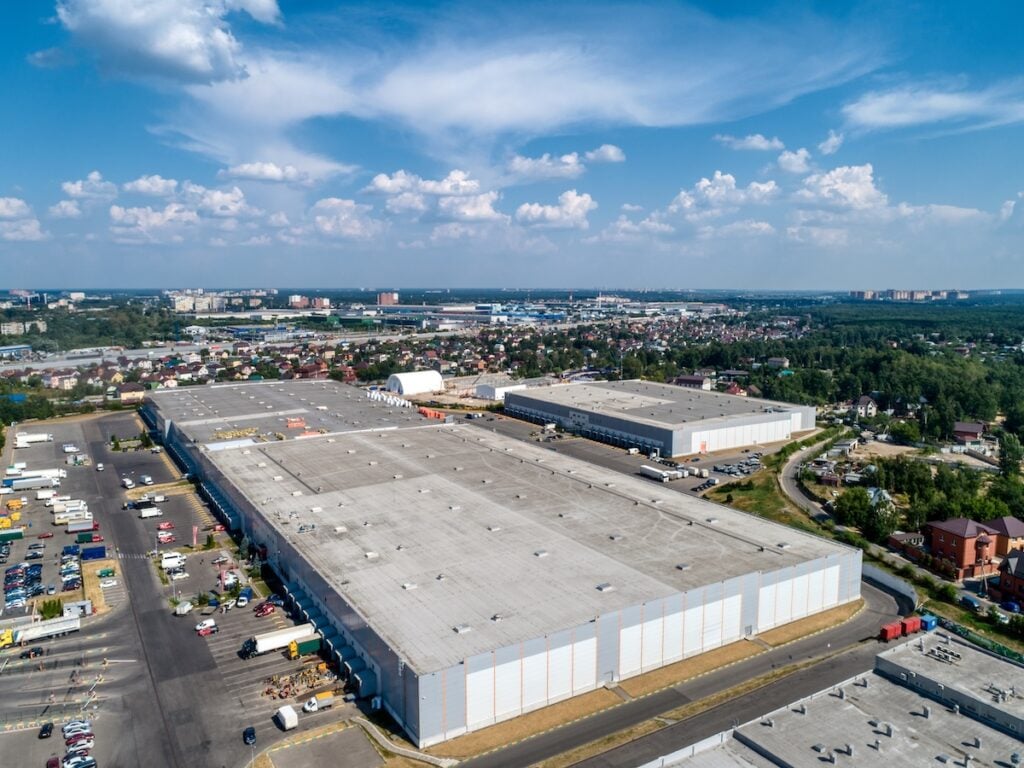
A commercial flat concrete roof is typically constructed using poured-in-place reinforced concrete or precast panels that form a solid, structural surface. This system is common on warehouses, manufacturing facilities, schools, and office complexes because it not only protects the building but also provides functional space for mechanical equipment or even rooftop amenities.
Unlike residential tile systems, commercial flat concrete roofs focus on performance and load-bearing capacity rather than decorative design. They are engineered to deliver long-lasting structural reliability under demanding conditions.
⏳ Lifespan Of A Concrete Roof
One of the key advantages of flat concrete roofing is its impressive lifespan.
- Average lifespan: 50 to 60 years, with some systems lasting up to 75 years.
- Fewer repairs: unlike membrane systems that puncture easily, concrete is highly resistant to cracks and surface deterioration.
- Cost efficiency: although installation costs are higher upfront, the reduced frequency of replacements lowers lifetime expenses.
🛠️ Installation Process
Installing a concrete roof requires expertise and the right equipment.
Preparation Stage
- Structural evaluation: engineers assess the building’s load capacity to ensure it can handle the additional weight.
- Reinforcement: steel rebar or mesh is incorporated for structural integrity.
- Formwork and underlayment: temporary supports and waterproof membranes are installed before pouring.
Concrete Placement
- Pouring and leveling: concrete is poured evenly and smoothed to create a consistent surface.
- Curing process: the roof must cure properly to reach maximum strength.
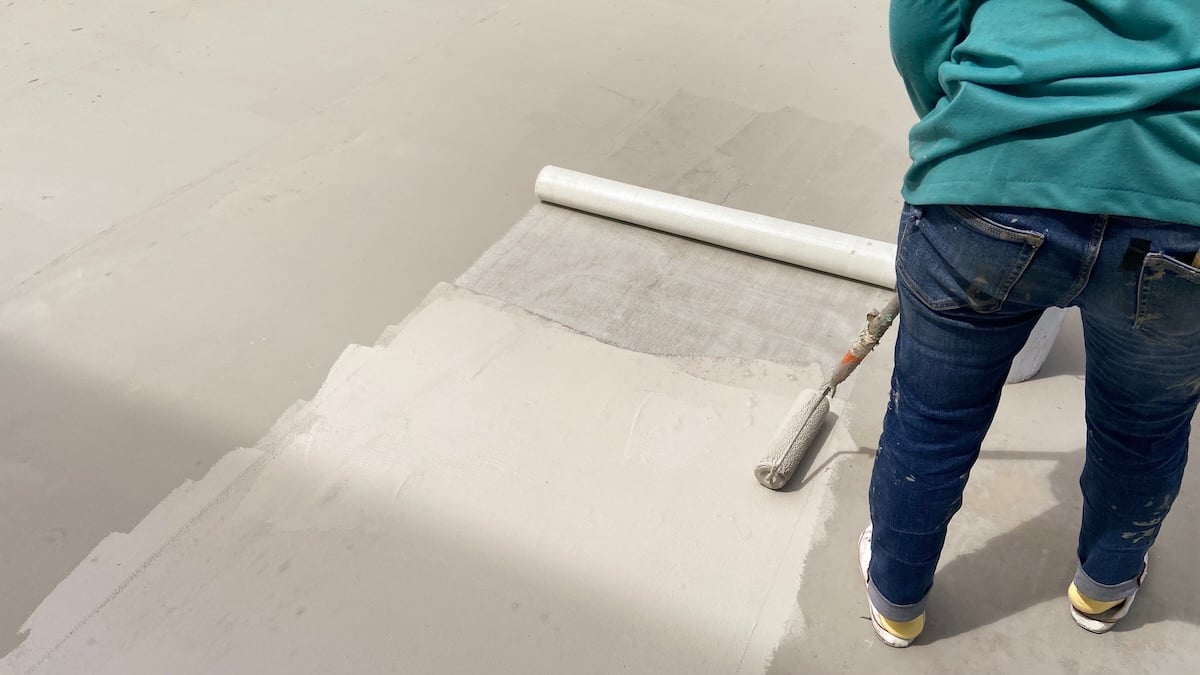
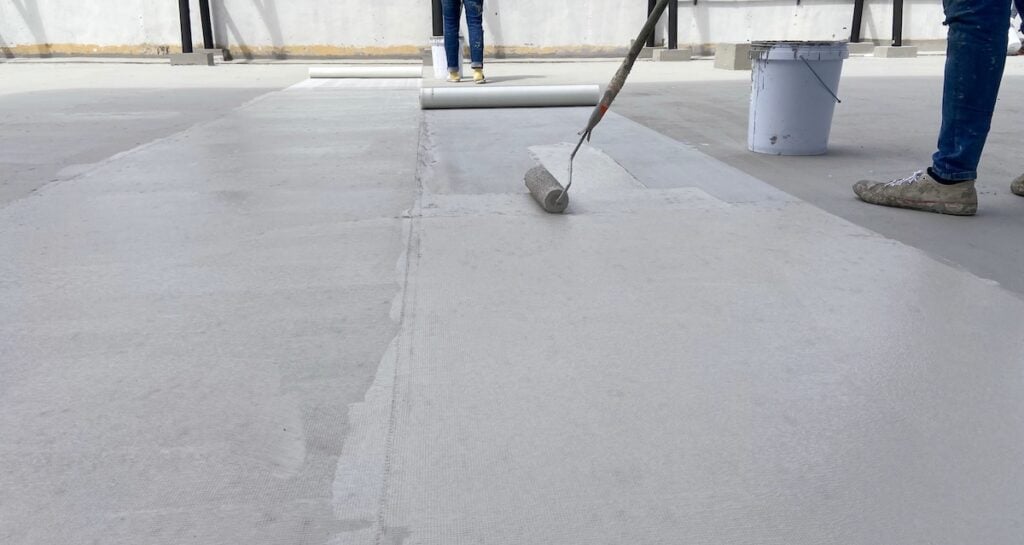
- Sealing and finishing: waterproof coatings are often applied to improve performance and extend longevity.
✅ Advantages Of Concrete Roofing
Commercial property owners benefit from several unique advantages when choosing concrete.
- Longevity: few roofing systems match concrete’s lifespan.
- Fire resistance: ideal for warehouses and industrial properties where fire safety is critical.
- Load capacity: concrete roofs easily support HVAC units, solar panels, and other rooftop equipment.
- Weather protection: resists hail, heavy snow, strong winds, and extreme temperatures.
- Energy performance: concrete’s thermal mass helps regulate interior temperatures.

❌ Potential Drawbacks To Consider
Despite its benefits, commercial flat concrete roofing does come with considerations.
- Weight: concrete is heavy and requires a strong building structure.
- Upfront cost: significantly higher than single-ply or asphalt-based systems.
- Installation time: construction is more complex and labor-intensive.
- Maintenance needs: cracks must be repaired quickly to prevent water infiltration.
📋 Comparing Concrete Roofs To Other Options
When making a decision, it helps to compare concrete to popular alternatives.
Concrete vs Single-Ply (EPDM/TPO)
- Cost: single-ply is more affordable upfront but less durable.
- Lifespan: single-ply lasts 20–30 years compared to concrete’s 50+.
- Strength: single-ply is vulnerable to punctures; concrete withstands heavy traffic and equipment.
Concrete vs Modified Bitumen
- Durability: bitumen systems can degrade faster under UV exposure.
- Maintenance: bitumen often requires regular resurfacing; concrete needs less frequent attention.
- Load capacity: concrete is superior for supporting heavy rooftop installations.
Concrete vs Metal
- Weight: metal is lightweight, while concrete is significantly heavier.
- Durability: both can last decades, but concrete is less prone to dents.
- Fire safety: concrete offers a higher level of fire resistance.
👉 Concrete Roof Performance In Wisconsin
Commercial properties in Wisconsin demand roofing that can withstand a wide range of weather conditions. Flat concrete roofing delivers the reliability business owners need.
- Snow load capacity: concrete easily handles heavy accumulations.
- Freeze-thaw durability: engineered to resist cracking in fluctuating temperatures.
- Storm protection: impact resistance helps guard against hail and flying debris.
- Energy efficiency: thermal mass reduces heating and cooling fluctuations year-round.
🛠️ Maintenance Tips For Concrete Roofs
While durable, proper maintenance is essential to maximize performance.
- Annual inspections: check for cracks, ponding water, or surface wear.
- Waterproof coatings: reapply protective membranes as needed.
- Drainage management: keep drains and scuppers clear of debris.
- Timely repairs: address minor cracks immediately to prevent structural damage.
💵 Cost And Value
Commercial concrete roofing comes with a higher upfront investment, but the payoff is substantial.
- Installation cost: higher than membrane or metal systems.
- Return on investment: extended lifespan reduces overall replacement frequency.
- Property value: enhances building appeal and long-term stability.
- Insurance benefits: fire and storm resistance may lower premiums.
🤔 Is A Concrete Roof Right For You?
If you value strength, longevity, and low long-term maintenance, a flat concrete roof is a smart investment. For commercial property owners in Wisconsin, it provides proven protection against harsh winters and volatile storms while offering decades of performance with minimal upkeep.
💪 Choose Strength With First American Roofing & Siding
A commercial flat concrete roof provides unmatched durability and reliability for your business. At First American Roofing & Siding, Inc., we help property managers and business owners make informed decisions based on performance, budget, and long-term goals.
Whether you are considering concrete for new construction or evaluating options for a major roof replacement, our team provides the expertise to guide your project from planning to completion.
Contact us today to schedule a consultation and request a free estimate for your commercial property.