Rafters vs Trusses: What Are 5 The Main Differences?

Written By: First American Roofing

09/16/25

6 Mins
When building or replacing a roof, many homeowners wonder about rafters vs trusses and which option is best for their home. Both serve the same purpose of supporting the roof, but they differ in design, construction, cost, and long-term performance. Understanding these differences helps you make informed decisions during new builds, renovations, or major roof replacements.
- Framing style: Rafters and trusses are built differently, which affects installation and the look of your attic space.
- Strength and support: Each method handles loads differently, especially when it comes to heavy snow or high winds in Wisconsin.
- Budget considerations: The material, labor, and timeline costs vary significantly between rafters and trusses.
Let’s break down the key differences so you can decide which framing system works best for your home.
🤔 What Are Rafters?
Before comparing rafters and trusses directly, it’s helpful to understand what rafters are.

Traditional Stick-Framed Construction
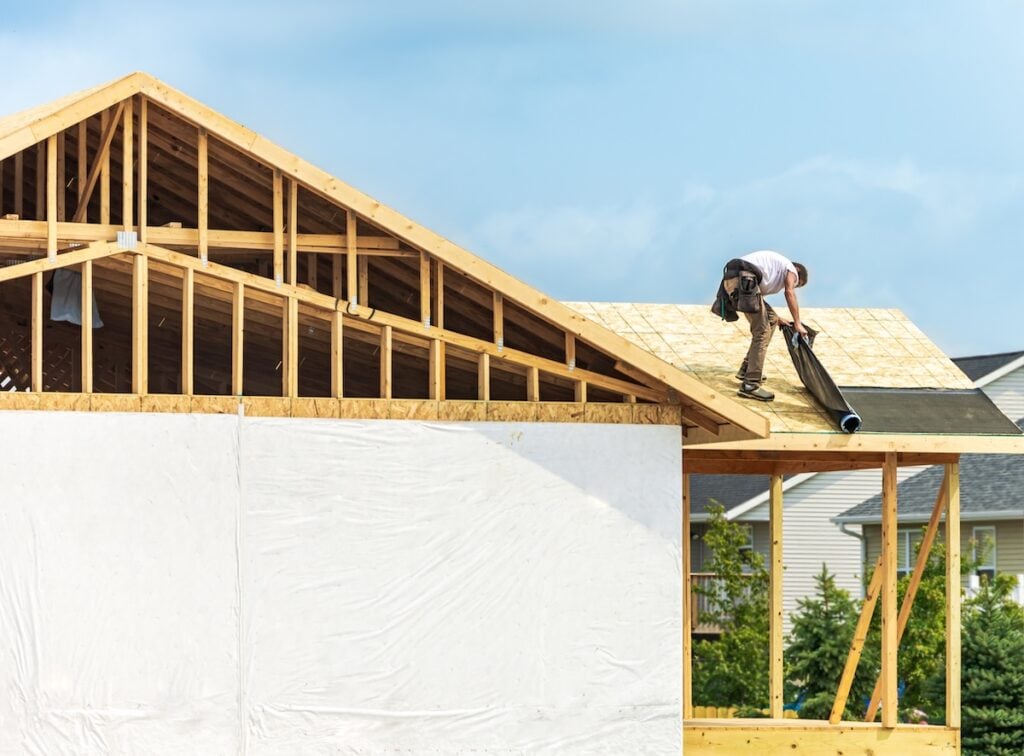
Rafters are part of traditional roof framing, often called “stick framing.” Each rafter is a long, sloped board running from the roof peak down to the wall plate. Carpenters cut and assemble them on-site, making this option highly customizable.
Benefits of Rafters
- Attic space: Rafters create open areas under the roof, giving you usable attic space.
- Custom design: Perfect for unique rooflines, additions, or complex architectural details.
- On-site flexibility: Builders can adjust the design during construction if needed.
Drawbacks of Rafters
- Labor-intensive: Stick framing takes more time and requires skilled carpenters.
- Higher cost: Additional labor and material often mean a bigger price tag.
- Limited spans: Rafters typically cannot cover very wide distances without extra support.
👉 What Are Trusses?
Trusses are another type of roof framing system, but they are built in a very different way.

Prefabricated Engineering
Trusses are pre-built triangular frameworks manufactured in a factory and delivered to the job site. They are made from smaller pieces of lumber connected by metal plates, engineered for strength and consistency.
Benefits of Trusses
- Faster installation: Trusses arrive ready to install, saving time on the job site.
- Lower cost: Prefabrication reduces labor costs compared to hand-cut rafters.
- Strong and consistent: Engineered to handle heavy snow loads and wide spans.
Drawbacks of Trusses
- No attic space: Trusses fill the roof cavity, leaving no usable storage or living area.
- Limited flexibility: Customization options are more restricted once they’re manufactured.
- Transportation limits: Trusses must fit on trucks, which may affect design for large homes.
📋 5 Main Differences Between Rafters and Trusses
Now that you know what each system is, let’s break down the five main differences homeowners should consider.
- Construction Method: Rafters are cut and assembled on-site, while trusses are prefabricated in factories and shipped to the site.
- Installation Speed: Rafters require more time and labor, whereas trusses can be installed quickly with fewer workers.
- Cost: Rafters tend to be more expensive due to labor and customization, while trusses are generally more budget-friendly.
- Attic Space: Rafters allow for open, usable attic space, but trusses block off the space with their triangular web design.
- Structural Strength: Trusses are engineered for consistent strength and can span greater distances, while rafters may require additional support beams for wider spans.
🏠 Which Option Is Better for Your Home?
Both rafters and trusses have their place in modern homebuilding. Choosing between them depends on your budget, timeline, and how you plan to use the attic space.
When to Choose Rafters
Rafters are ideal if you value custom rooflines, need an attic for storage or living space, or are working on a smaller-scale project where traditional carpentry makes sense. Homeowners in areas like Onalaska and the surrounding areas often choose rafters when planning additions to existing homes.
When to Choose Trusses
Trusses are the go-to option for most new home builds today. They’re affordable, fast to install, and engineered to handle the weight of snow and strong winds. If attic space isn’t a priority, trusses make the most practical choice.
⭐️ Additional Considerations for Wisconsin Homeowners
Since Wisconsin weather brings both heavy snow and strong storms, your choice between rafters and trusses should also factor in local conditions.
Snow Load Requirements
Trusses are often designed with snow load calculations in mind, making them a dependable choice for harsh winters. Rafters can also be built to handle snow, but they require extra planning and potentially more material.
Energy Efficiency
- Trusses: Provide consistent spacing for insulation, making it easier to achieve energy efficiency.
- Rafters: May need extra attention to air sealing and insulation to prevent heat loss.
Long-Term Maintenance
- Rafters: May require reinforcement or additional supports over time if the home settles.
- Trusses: Typically need less maintenance, but any damage can be harder to repair since they’re engineered systems.
🤝 Working With a Trusted Roofing Contractor
Whether you choose rafters or trusses, professional installation is critical to ensuring your roof lasts. A skilled roofing contractor can help evaluate your home’s needs, budget, and long-term plans before recommending the best option.
Why Expertise Matters
Framing is the backbone of your roof. Mistakes in construction or installation can lead to structural issues, water damage, or even premature roof failure. Hiring a contractor experienced in both systems ensures the job is done right from the start.
Customization vs Efficiency
Your contractor can help you weigh the trade-offs between customization and efficiency. For example, if you’re planning a unique roofline or adding skylights, rafters may be the better option. If you’re focused on keeping costs down and building quickly, trusses might make more sense.
👍 Making the Right Choice With First American Roofing & Siding
When it comes to rafters vs trusses, the decision depends on your home’s design, budget, and future plans for attic space. Rafters give you flexibility and storage, while trusses provide cost savings and engineered strength. Both options can be excellent choices with the right planning and professional installation.
At First American Roofing & Siding, Inc., we help homeowners across Wisconsin navigate these decisions with confidence. Our team can walk you through your options, explain how each system performs in local weather conditions, and provide a clear plan for your roofing project.
If you’re ready to explore the best framing solution for your home, contact us today to schedule a consultation and receive a free estimate.