Can Wind Damage Roofs In Sparta, WI? (8 Risks, Signs & Insurance Tips)

Written By: First American Roofing

05/26/26

6 Mins
If you’re asking can wind damage roofs in sparta wi, the answer is yes, and it’s one of the most common causes of roofing issues for homeowners in this area. With open terrain, seasonal storms, and strong wind gusts throughout the year, homes in Sparta, WI and surrounding areas are especially vulnerable to wind-related roof damage.
- High wind exposure: Rural and open areas increase the impact of strong gusts.
- Storm frequency: Spring and summer storms often bring damaging winds.
- Hidden damage risks: Wind damage isn’t always immediately visible from the ground.
Why Wind Damage Is a Concern in Sparta, WI
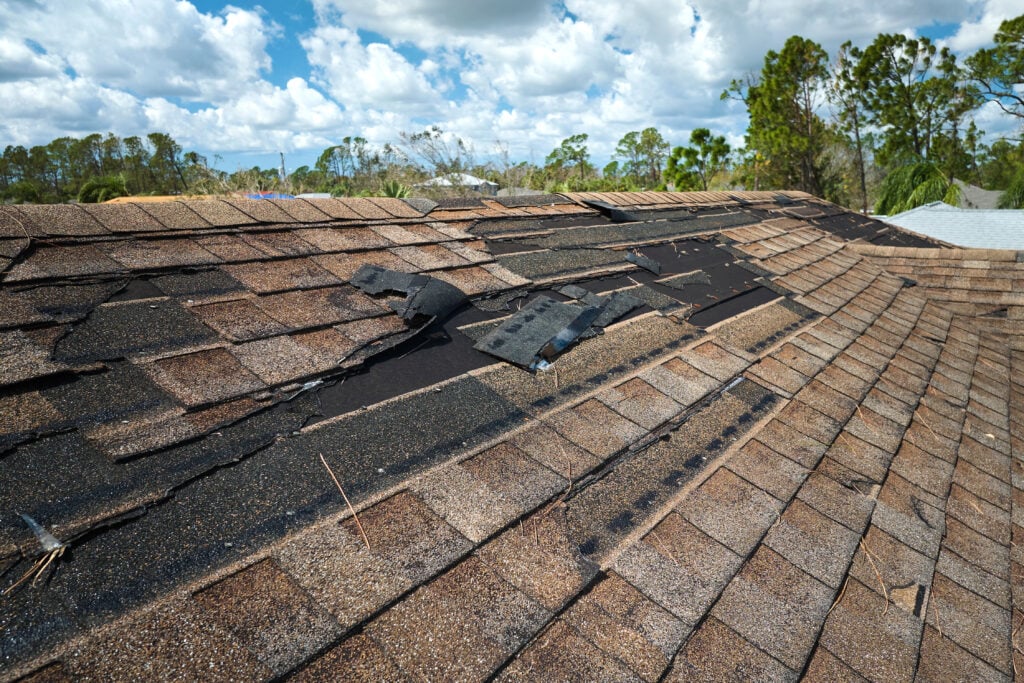
Sparta and the surrounding region regularly experience strong wind events, especially during severe thunderstorms and seasonal weather shifts. In the spring and summer months, storms can produce wind gusts exceeding 50 to 70 mph, which is strong enough to lift shingles, loosen flashing, and expose the underlying roof structure.
In winter, high winds combined with snow and ice can place additional stress on roofing systems. Open landscapes around Sparta, WI and surrounding areas mean fewer natural wind barriers, allowing gusts to hit homes with full force.
Because of these conditions, even newer roofs can experience damage if they are not properly installed or maintained.
8 Ways Wind Can Damage Your Roof
Wind doesn’t just tear off shingles, it can affect multiple parts of your roofing system in different ways.
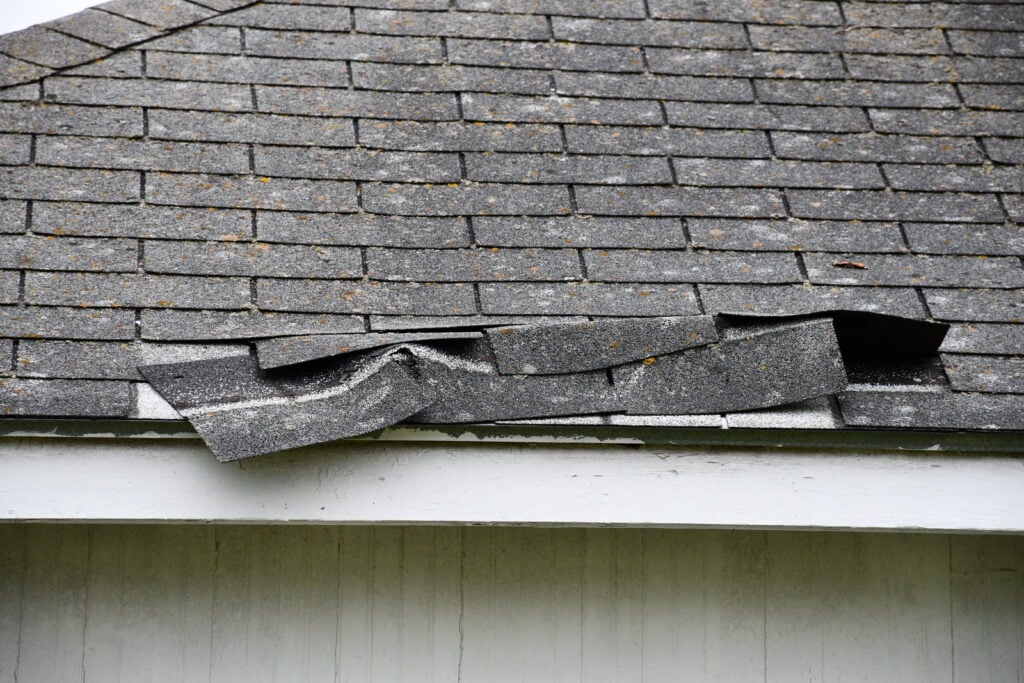
1. Shingle Lifting and Loss
- Wind uplift: Strong gusts can lift shingles from the edges or seams.
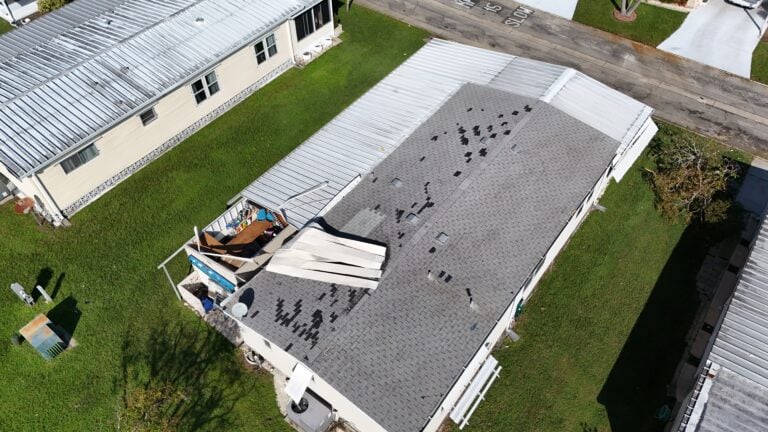
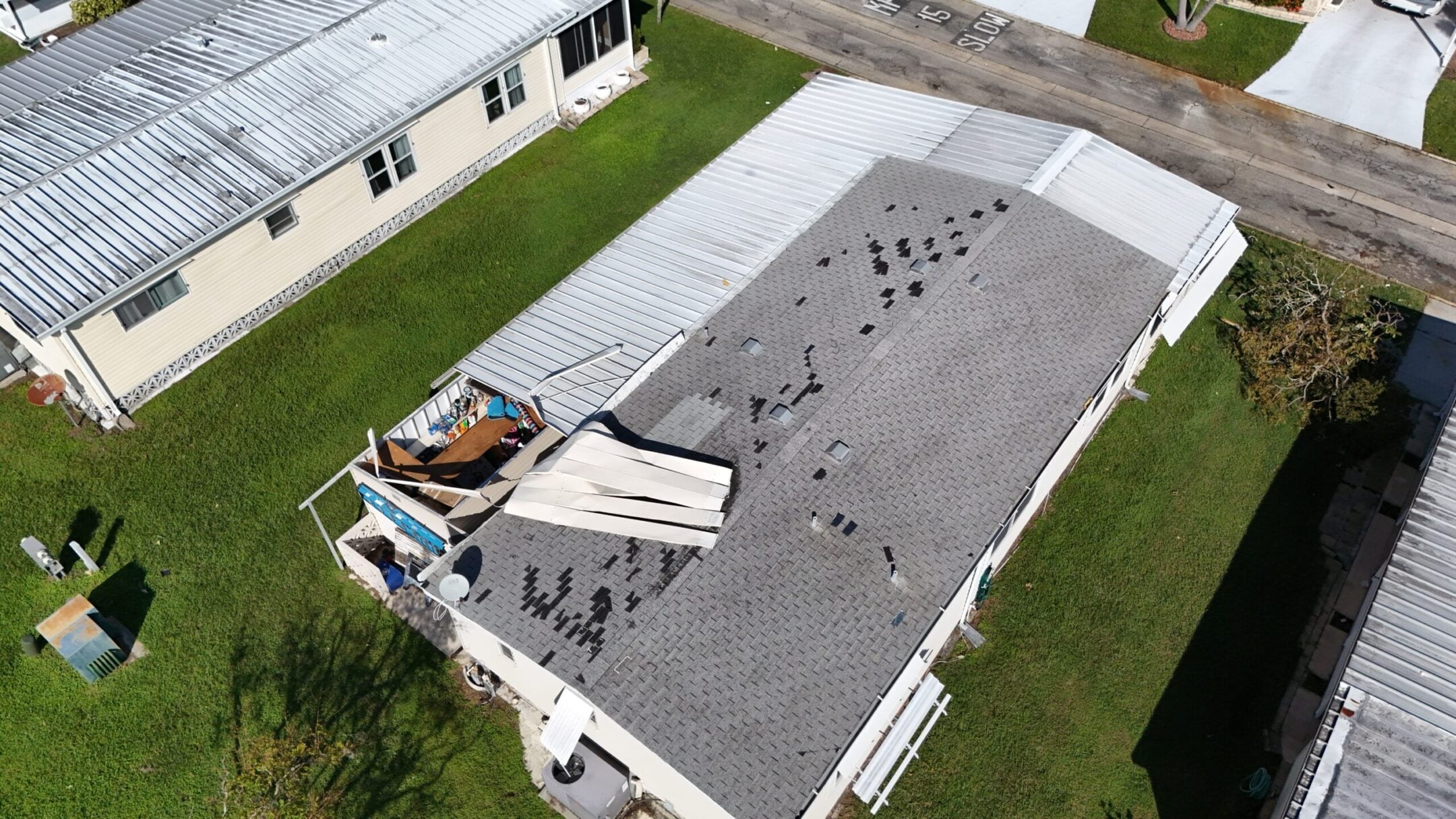
- Missing shingles: Entire sections may be blown off during storms.
- Exposed underlayment: Leaves your roof vulnerable to water damage.
This is one of the most common forms of wind damage in Sparta homes.
2. Granule Loss on Shingles
- Surface erosion: Wind-driven debris can strip protective granules.
- Reduced lifespan: Granule loss accelerates shingle deterioration.
- UV exposure: Without granules, shingles break down faster.
This type of damage may not be obvious until it worsens over time.
3. Damage to Flashing and Seals
- Loose flashing: Wind can pull flashing away from chimneys and vents.
- Seal failure: High winds can break down sealants around penetrations.
- Water entry points: These areas are especially prone to leaks.
Flashing damage often leads to hidden moisture problems.
4. Roof Deck Exposure
- Severe wind events: Can remove large sections of roofing materials.
- Structural vulnerability: Exposed decking allows water infiltration.
- Interior damage risk: Leaks can quickly affect ceilings and insulation.
This type of damage requires immediate attention.
5. Gutter and Edge Damage
- Detached gutters: High winds can pull gutters away from the roofline.
- Fascia damage: Wind stress can weaken roof edges.
- Drainage issues: Damaged gutters lead to water buildup.
Gutter damage often accompanies roof damage during storms.
6. Debris Impact
- Flying objects: Branches and debris can strike the roof surface.
- Punctures or cracks: Impact damage weakens roofing materials.
- Tree-related risks: Nearby trees increase the likelihood of damage.
Even small debris can cause long-term issues if not addressed.
7. Ridge Cap and Vent Damage
- Loose ridge caps: Wind can dislodge these critical roof components.
- Vent displacement: Roof vents may become misaligned or damaged.
- Airflow issues: Damaged vents affect attic ventilation.
These components are often overlooked but essential to roof performance.
8. Progressive Damage Over Time
- Small issues grow: Minor damage worsens with repeated exposure.
- Delayed leaks: Water damage may appear weeks or months later.
- Structural impact: Ongoing exposure can weaken the roof system.
Wind damage is not always immediate, it can develop gradually.
Signs of Wind Damage Homeowners Should Look For
After a storm, it’s important to inspect your roof or schedule a professional evaluation.
- Missing or lifted shingles visible from the ground
- Debris or shingle pieces in your yard
- Water stains on ceilings or walls
- Loose or hanging gutters
- Granules collecting in gutters or downspouts
Even if damage appears minor, it’s important to have it checked to prevent further issues.
How Insurance Handles Wind Damage
Most homeowners insurance policies cover wind damage, but understanding the process is important.
- Covered events: Storm-related wind damage is typically included.
- Documentation required: Photos and inspection reports support claims.
- Deductibles apply: Homeowners are responsible for their policy deductible.
- Timely claims: Filing quickly helps avoid complications.
Insurance coverage can help reduce the financial impact of storm-related repairs.
What to Do After Wind Damage Occurs
Taking the right steps after a storm can help protect your home and streamline repairs.
- Inspect safely: Check your property from the ground first.
- Document damage: Take photos of visible issues.
- Prevent further damage: Cover exposed areas if possible.
- Contact a professional: A roofing expert can assess the full extent of damage.
Quick action helps prevent minor issues from becoming major repairs.
How to Protect Your Roof From Wind Damage
While wind can’t be prevented, homeowners can take steps to reduce the risk of damage.
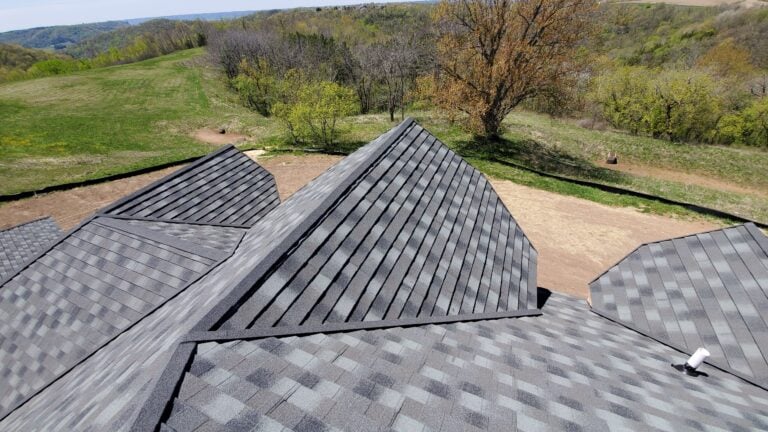
- Choose durable materials: Architectural shingles and metal roofs offer better wind resistance.
- Ensure proper installation: Correct fastening and sealing are critical.
- Trim nearby trees: Reduces the risk of debris impact.
- Schedule regular inspections: Helps identify weak points before storms occur.
Preventive measures can significantly reduce the likelihood of severe damage.
Frequently Asked Questions About Wind Damage
1. What wind speed can damage a roof?
Damage can begin at around 45 to 50 mph, especially if shingles are older or improperly installed. Severe damage often occurs at higher wind speeds.
2. Can wind damage be invisible at first?
Yes. Lifted shingles or loosened flashing may not be obvious but can lead to leaks later.
3. Should I get my roof inspected after every storm?
It’s a good idea after severe storms, especially if you notice debris or visible damage around your property.
Protect Your Home From Wind Damage in Sparta
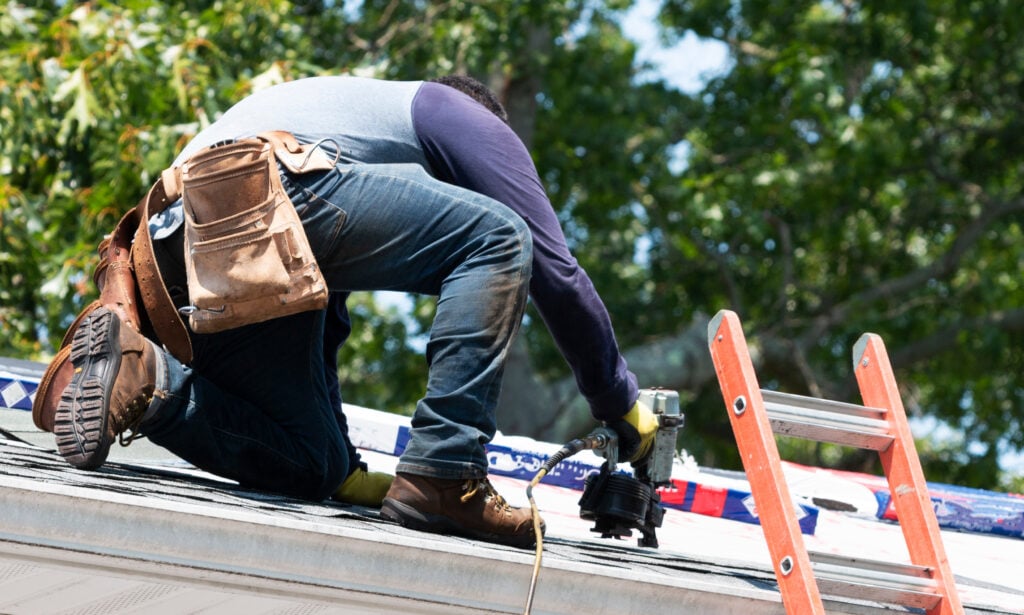
Understanding can wind damage roofs in sparta wi helps homeowners take proactive steps to protect their property and respond quickly after storms. With the right materials, maintenance, and professional support, you can reduce the risk of costly repairs and extend the life of your roof.
For homeowners in Sparta, WI and surrounding areas, working with experienced roofing professionals ensures your roof is ready to handle local weather conditions. If you suspect wind damage or want peace of mind after a storm, contact First American Roofing & Siding, Inc. today for a free consultation and estimate and get expert guidance tailored to your home.