Top 4 Commercial Roof Leak Repair Solutions That Work

Written By: First American Roofing

03/20/24

9 Mins
Is your commercial property dealing with a stubborn roof leak? Don’t panic. You’re in the right place. In this guide to commercial roof leak repair, we’ll show you exactly how to spot the warning signs, locate the source of the leak, and choose the best repair strategy to avoid further damage and costly downtime.
Whether you’re managing a warehouse, retail center, or office complex, a leaky roof can disrupt operations and put your investment at risk. That’s why it’s essential to act quickly, and with confidence.
Here’s what you’ll learn:
- The most common causes of commercial roof leaks
- How to identify where your leak is coming from
- 4 reliable solutions for long-lasting commercial roof repairs
Let’s dive in and protect your property with smart, timely repairs that work.
Understanding Why Commercial Roofs Leak
Before diving into solutions, it’s crucial to understand what causes commercial roof leaks in the first place. Unlike residential roofs, commercial roofing systems are often flat or low-slope and must withstand extreme exposure to sun, wind, rain, snow, and temperature swings. Over time, even the most durable systems can develop vulnerabilities.
Here are the most common causes of commercial roof leaks—and what they mean for your repair strategy:
1. Aging Roof Materials
As commercial roofs age, roofing membranes, sealants, and insulation degrade. UV rays, thermal expansion, and freeze-thaw cycles in regions like Wisconsin accelerate wear and tear. Cracks, blistering, and seam separation are common signs that your roof may be approaching the end of its service life.
2. Poor Installation or Workmanship
Even premium materials can fail early if installed incorrectly. Common installation issues that lead to leaks include:
- Improperly sealed seams
- Inadequate or missing flashing
- Poor drainage design
If you’re already dealing with repeat leaks in the same area, there’s a good chance the issue stems from the original installation.
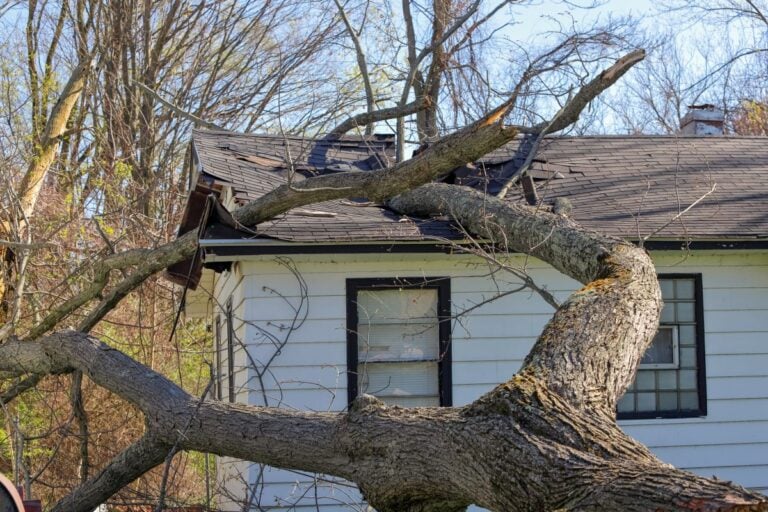
3. Storm and Weather Damage
Commercial roofs are particularly vulnerable during storms, especially flat or membrane roofs. High winds, hail, pooling water, and flying debris can cause:
- Punctures in membranes
- Damage to HVAC curbs or skylights
- Loose flashing and edge metal
These vulnerabilities often go unnoticed until the next rainstorm hits, and then it’s too late.
4. Lack of Preventive Maintenance
Many commercial roof leaks stem from neglect. Skipping routine inspections and maintenance allows minor issues to escalate:
- Clogged drains lead to ponding water
- Debris buildup causes membrane abrasion
- Small punctures become large tears
Pro Tip: A professional inspection twice a year (especially after severe weather) can dramatically extend the life of your commercial roof and reduce repair costs.
How to Identify Leaks on Different Commercial Roof Systems
Not all commercial roofs are created equal—and neither are their leaks. The material, slope, and installation style all affect how leaks develop and how to spot them. Here’s a breakdown of common commercial roofing systems and what leak warning signs to watch for on each:
1. TPO & PVC (Single-Ply Membrane) Roofs
These white, reflective membranes are popular for flat and low-slope commercial roofs due to their energy efficiency and flexibility.
Leak Clues:
- Seam separation or lifting
- Punctures or tears from foot traffic or debris
- Ponding water near drains
- Discoloration or bubbling under the membrane
Tip: Inspect flashing and rooftop penetrations like HVAC units—these are common weak points.
2. EPDM Rubber Roofs
EPDM is a durable black synthetic rubber roofing membrane, often ballasted or mechanically fastened.
Leak Clues:
- Shrinkage pulling at seams or flashings
- Surface cracking or chalking
- Loose or missing ballast (if applicable)
- Leaks around skylights or pipes where rubber has pulled away
Tip: Leaks may travel horizontally under EPDM, so where you see the water inside isn’t always directly beneath the source.
3. Built-Up Roofs (BUR)
This traditional “tar and gravel” system includes multiple layers of asphalt and felt with a gravel surface.
Leak Clues:
- Soft, spongy areas indicating moisture trapped in layers
- Blistering or bubbling in the membrane
- Displaced gravel exposing asphalt beneath
- Pooled water that doesn’t drain
Tip: Leaks are often hidden. A moisture scan (infrared or nuclear) may be needed for detection.
4. Metal Roofs
Standing seam or corrugated metal roofs are highly durable but still vulnerable in some areas.
Leak Clues:
- Rust or corrosion near fasteners and panel seams
- Loose or missing screws or fasteners
- Failed or dry sealant at joints
- Leaks around skylights, vents, and edges
Tip: Metal expands and contracts with temperature changes, which can loosen fasteners over time. Regular tightening checks are crucial.
5. Modified Bitumen
Used on low-slope roofs, this system is similar to BUR but includes polymer-modified asphalt sheets, often torch-applied or self-adhered.
Leak Clues:
- Split seams or visible cracks
- UV degradation on exposed areas
- Blisters or water-filled bubbles
- Delaminated patches
Tip: Flashing failure is the #1 leak source for mod-bit roofs—check wall and curb transitions closely.

Identify the Source of a Commercial Roof Leak in 2 Steps
After understanding how different roofing systems fail, the next step is pinpointing exactly where water is entering your building. Leak detection isn’t always obvious, especially on flat commercial roofs where water can travel laterally from the source.
Here’s how to narrow it down:
1. Start Inside: Signs of Interior Damage
Begin your inspection from the inside of the building:
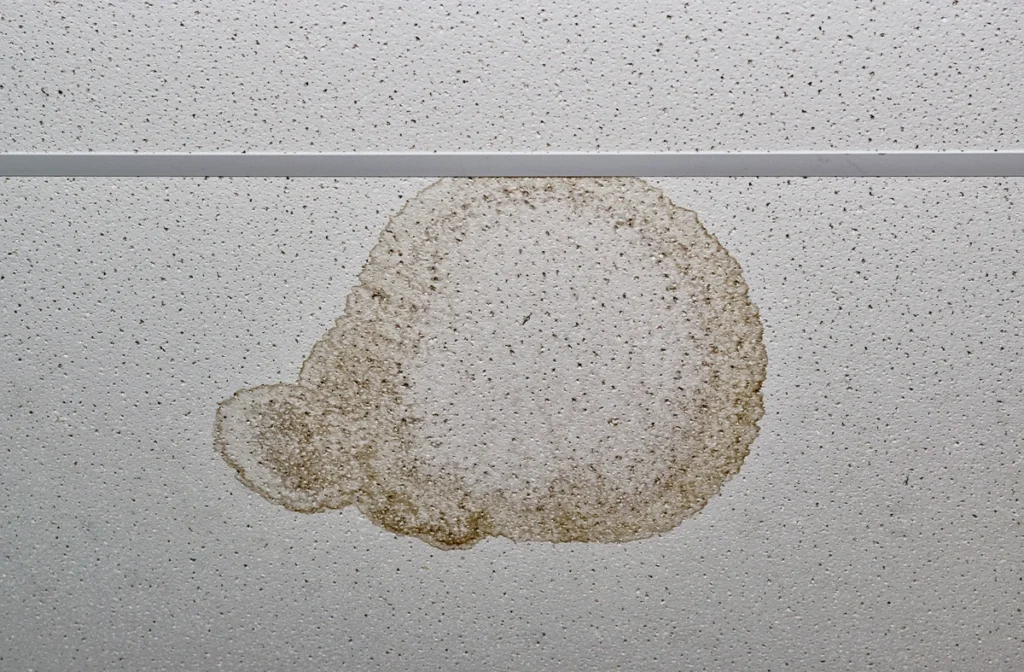
- Look for water stains, ceiling sagging, or peeling paint.
- Check for musty odors or mold growth near HVAC units, walls, or ceiling tiles.
- Use a flashlight to inspect attic spaces or ceiling panels (if accessible) for moisture trails.
Pro Tip: Water often enters the roof in one spot but appears inside in another. Mark suspicious areas and trace upward. Gravity may not be your best guide here!
2. Head to the Roof: External Clues to Spot
With safety precautions in place, inspect the rooftop itself:
- Look for membrane blisters, punctures, or open seams
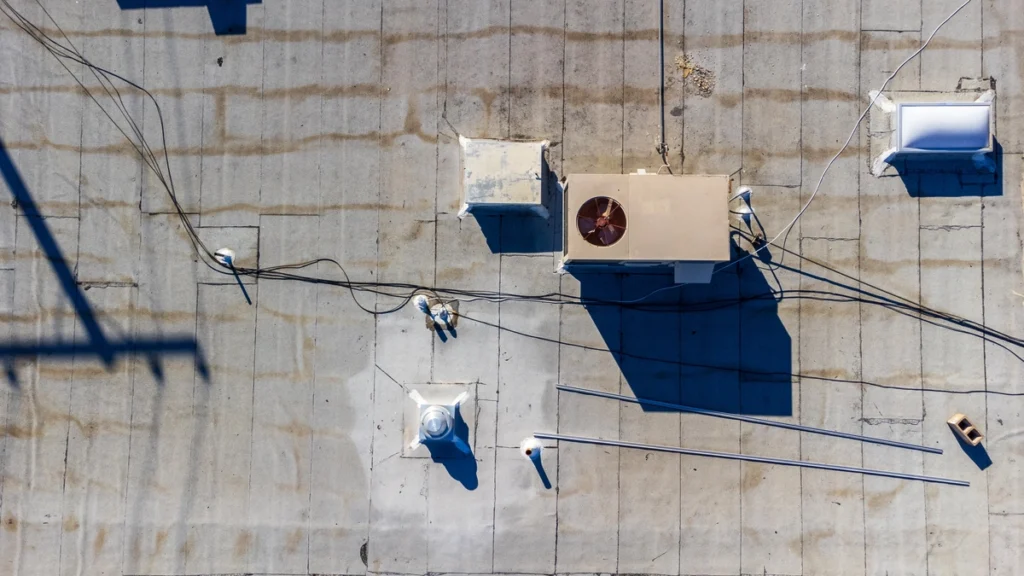
- Check flashings around HVAC units, skylights, vents, and walls—these are common failure points
- Examine drains and gutters for clogs or standing water
- Look for discolored areas, which may signal moisture trapped under the surface
Tip: Take photos of anything suspicious. These will be helpful when consulting with a commercial roofing contractor.
4 Proven Commercial Roof Leak Repair Solutions
Once you’ve identified the source (or suspected area) of the leak, it’s time to choose a solution. Below are the most common and effective methods for commercial roof leak repair, depending on the size, severity, and roof type:
1. Patch Repairs (Best for Membrane Punctures)
Small holes or tears in TPO, EPDM, or PVC roofs can often be patched using compatible membrane material and adhesives.
- Fast and cost-effective
- Minimal disruption to building operations
- May not be suitable for widespread damage
Ensure the patch material is compatible with your roofing system to avoid adhesion failure.
2. Flashing Replacement (Best for Leaks Around Penetrations)
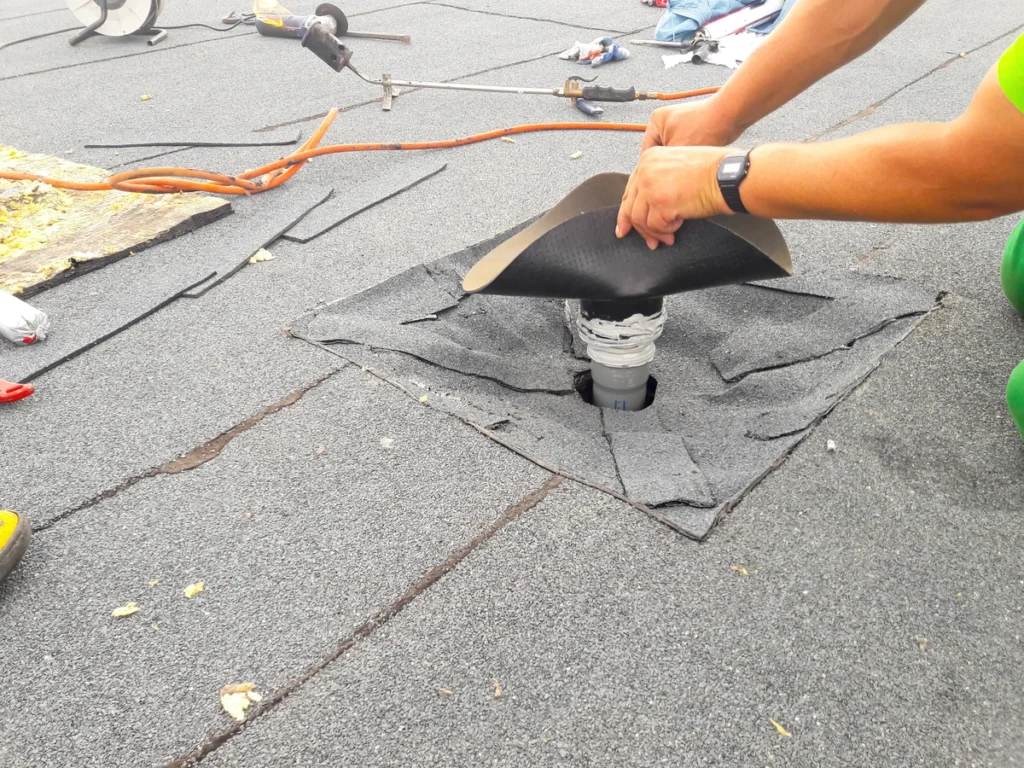
Flashing failures are one of the top causes of commercial roof leaks. Replacing worn or cracked flashing can restore waterproofing around:
- Rooftop equipment
- Chimneys
- Skylights
- HVAC curbs
Consider upgrading to stainless steel or copper flashing for longer-lasting protection.
3. Sealant Application (Quick Fix for Seams & Joints)
High-performance sealants can help reinforce areas around fasteners, seams, and penetrations.
- Ideal for metal roofs or localized weaknesses
- Must be reapplied periodically as part of ongoing maintenance
Choose a UV-stable, roofing-specific sealant to avoid premature breakdown.
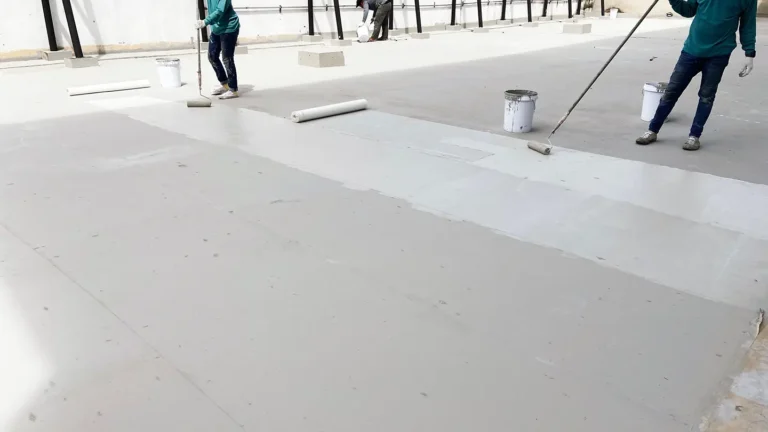
4. Roof Coating System (Preventative + Long-Term)
A reflective or elastomeric roof coating not only seals existing leaks but also adds a protective layer that:
- Resists UV degradation
- Reflects heat to reduce energy costs
- Extends the roof’s service life
Common coatings include acrylic, silicone, and polyurethane. Each has strengths depending on your climate and roof material.
Which Solution Is Best?
Each repair method has pros and cons. Minor issues can often be resolved with patching or sealants, while aging or heavily damaged roofs may require coatings or partial replacement. The key is catching the problem early.
| Repair Method | Pros | Cons |
|---|---|---|
| Patch Repairs | – Fast and inexpensive – Minimal disruption – Ideal for small punctures or isolated damage | – Not suitable for widespread damage – Temporary if roof is aging or brittle |
| Flashing Replacement | – Solves leaks at high-risk areas – Can prevent future water intrusion – Long-lasting if quality materials are used | – More labor-intensive – May require cutting into roofing system to install |
| Sealant Application | – Quick fix for seams and joints – Low cost – Easy to apply on-site | – May degrade in UV exposure – Needs periodic reapplication – Not a structural fix |
| Roof Coating System | – Seals leaks and prevents new ones – Extends roof lifespan – Improves energy efficiency (reflective coatings) | – Higher upfront cost – Requires dry, clean surface and good weather for application – Not a good fit for roofs with structural damage |
Pro Tips to Prevent Future Commercial Roof Leaks
No one wants to deal with repeat leaks, emergency repairs, or interior water damage that interrupts business. The good news? Most commercial roof leaks can be prevented with proactive maintenance and planning.
Here are the top ways to protect your investment and extend the life of your commercial roofing system:
1. Schedule Biannual Roof Inspections
Don’t wait for a storm to reveal hidden problems. Book professional roof inspections at least twice a year, ideally in spring and fall.
A qualified contractor will check for:
- Early signs of membrane wear
- Loose flashing
- Drainage issues
- Damage from previous storms
2. Keep Gutters & Drains Clean
Clogged or overflowing gutters can cause ponding water, which stresses the roof membrane and leads to slow leaks.
Make sure all:
- Scuppers
- Downspouts
- Internal drains
are cleared of debris at least quarterly, and especially after storms or heavy winds.
3. Trim Overhanging Trees & Branches
Branches scraping the roof can cause physical damage to membranes and flashing. In high winds, they may break and puncture the roof.
Maintain a 6–10 foot buffer zone around your roof perimeter by trimming back nearby trees.
4. Implement a Preventive Maintenance Plan
Regular maintenance isn’t just about repairs—it’s about roof life extension. Work with a contractor to develop a custom maintenance schedule that includes:
- Resealing penetrations and seams
- Reapplying protective coatings
- Monitoring high-risk areas (e.g., around rooftop units)
Fix Your Leaky Roof Like a Pro Without the Stress
A leaking commercial roof doesn’t just threaten your building it can disrupt your business, damage valuable assets, and lead to costly repairs if ignored. But with the right knowledge and expert support, it’s a problem you can tackle head-on. By Identifying the leak early, choosing the right repair strategy, and following a proactive maintenance plan, you can extend the life of your roof and protect your property for years to come.
Whether you need an urgent repair or a full inspection of your commercial roof, the team at First American Roofing is ready to help. Our experienced professionals bring local expertise, high-quality materials, and exceptional customer service to every job. Schedule your free roof inspection today and get peace of mind before the next storm hits.