Warehouse Roof Replacement (8 Planning Tips, Costs & Timelines)

Written By: First American Roofing

04/21/26

6 Mins
Planning a warehouse roof replacement requires careful preparation, budgeting, and coordination to minimize disruption to daily operations while protecting your facility for the long term. Because warehouses typically have large roof surfaces and critical inventory inside, choosing the right materials and timing can make a significant difference in both cost and performance.
- Operational continuity: Proper planning helps avoid interruptions to shipping, storage, and logistics.
- Cost management: Understanding timelines and roofing options helps control project expenses.
- Long-term durability: The right commercial roofing system can protect your facility for decades.
Why Warehouse Roof Replacement Requires Careful Planning
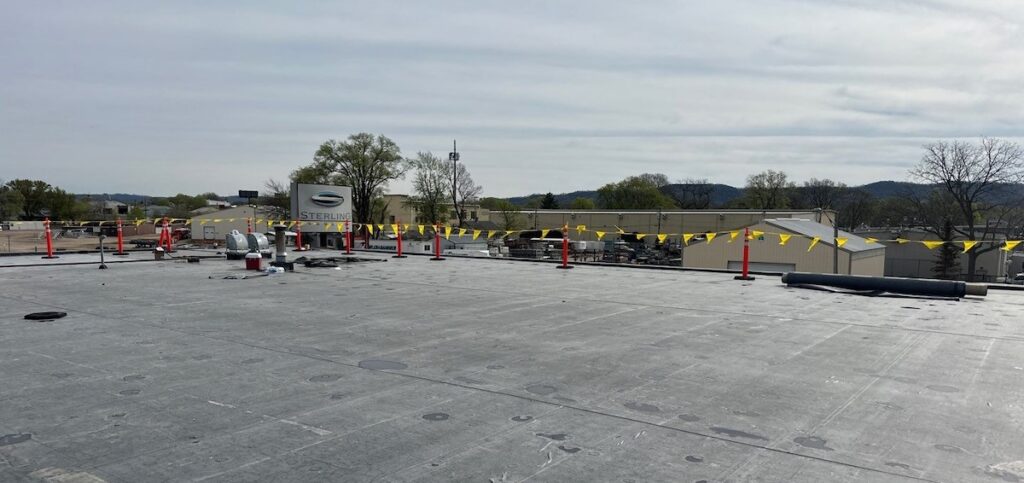
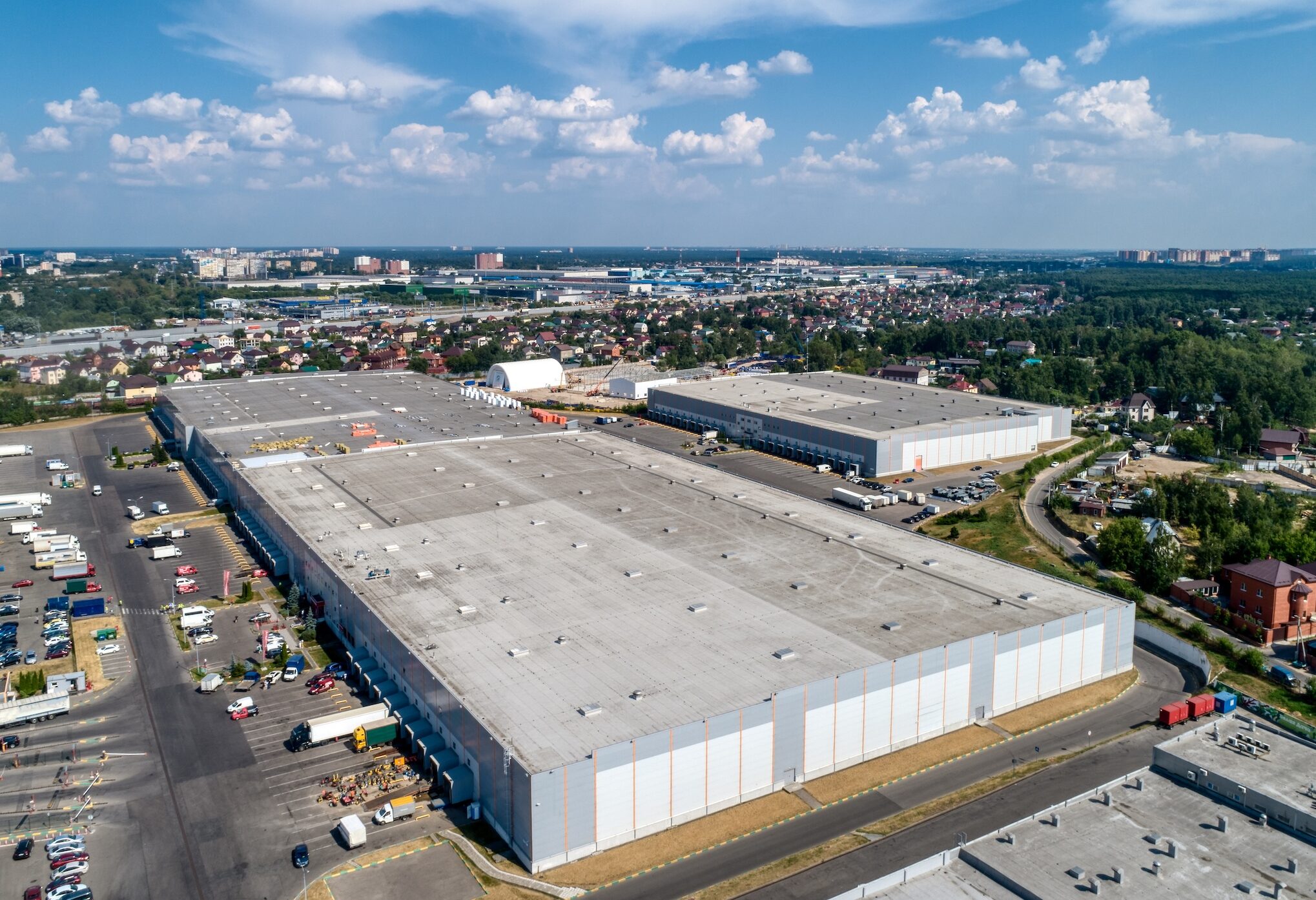
Warehouse buildings are different from typical commercial properties. Their large footprints, heavy rooftop equipment, and interior storage demands require roofing systems that are durable, waterproof, and energy efficient. In climates like Holmen, WI and surrounding areas, warehouses also face heavy snow loads, seasonal temperature swings, and occasional severe storms.
Unlike small commercial roofs, replacing a warehouse roof can involve tens of thousands of square feet of materials. That means property owners must consider scheduling, safety, building access, and potential operational disruptions before work begins.
With proper planning and professional guidance, a warehouse roof replacement can improve energy efficiency, reduce long-term maintenance costs, and protect valuable inventory.
8 Planning Tips for Warehouse Roof Replacement
A successful roofing project starts with understanding the key factors that affect cost, scheduling, and building performance.
1. Schedule a Professional Roof Inspection
Before planning a replacement project, the first step is understanding the condition of your existing roof.
- Identify problem areas: Inspections reveal leaks, membrane deterioration, and structural issues.
- Evaluate insulation performance: Poor insulation can increase energy costs.
- Assess remaining lifespan: Some roofs may qualify for restoration instead of full replacement.
A professional inspection provides the data needed to determine whether replacement is truly necessary.
2. Choose the Right Roofing System
Warehouse roofs are typically low slope, which means specialized roofing membranes are required.
- TPO roofing: Energy-efficient and commonly used for large commercial roofs.
- PVC roofing: Durable and resistant to chemicals and grease exposure.
- EPDM rubber roofing: Flexible and proven in cold climates.
Selecting the right system depends on the building’s environment, budget, and expected lifespan.
3. Consider Insulation Upgrades
Many warehouse roofs contain outdated insulation that reduces energy efficiency.
- Improve R-value: Higher insulation levels help reduce heating and cooling costs.
- Energy efficiency: Reflective roofing membranes work well with modern insulation.
- Moisture protection: Proper insulation helps control condensation.
Upgrading insulation during roof replacement can provide long-term operational savings.
4. Plan Around Business Operations
Large commercial roofing projects must be coordinated carefully to avoid operational disruptions.
- Shipping schedules: Roofing work may need to avoid peak shipping hours.
- Safety zones: Contractors may require restricted areas during installation.
- Interior protection: Temporary coverings protect inventory and equipment.
Advance planning helps ensure warehouse activities continue smoothly during the project.
5. Evaluate Drainage and Water Flow
Poor drainage is one of the leading causes of commercial roof damage.
- Check roof slope: Proper slope ensures water flows toward drains.
- Inspect drains and scuppers: Blocked drains can cause ponding water.
- Improve drainage design: Additional drains may be added during replacement.
Addressing drainage issues during replacement prevents future leaks and structural stress.
6. Understand Project Timelines
Warehouse roofing projects can take several days or weeks depending on the building size.
- Roof size: Larger roofs naturally require more installation time.
- Weather conditions: Rain or snow can delay certain phases of installation.
- Material availability: Some roofing systems require special ordering.
Working with experienced contractors helps ensure realistic timelines and scheduling.
7. Budget for Long-Term Value
While cost is an important factor, the cheapest roofing system is not always the best investment.
- Material lifespan: Longer-lasting materials reduce future replacement costs.
- Maintenance needs: Some systems require less ongoing upkeep.
- Energy savings: Reflective roofs can reduce cooling expenses.
Balancing upfront costs with long-term value leads to better financial outcomes.
8. Plan for Ongoing Maintenance
Replacing the roof is only the first step in protecting your facility.
- Annual inspections: Regular inspections help detect small issues early.
- Drain cleaning: Keeping drains clear prevents water damage.
- Membrane repairs: Minor repairs extend the life of the roofing system.
Preventive maintenance helps maximize the lifespan of your warehouse roof.
Average Costs for Warehouse Roof Replacement
Warehouse roof replacement costs vary depending on building size, materials, and insulation requirements.
Typical commercial roofing price ranges include:
- TPO roofing: Approximately $6 to $10 per square foot installed.
- PVC roofing: Around $7 to $12 per square foot depending on thickness.
- EPDM roofing: Typically $5 to $9 per square foot.
For large warehouse facilities, total project costs can range widely depending on square footage and structural upgrades.
How Long Does a Warehouse Roof Replacement Take?
Project timelines depend on several factors, including roof size, material selection, and weather conditions.
Typical timelines include:
- Small warehouses: Approximately 3 to 5 days.
- Medium warehouses: About 1 to 2 weeks.
- Large distribution centers: Several weeks depending on complexity.
Experienced contractors often divide the project into sections so portions of the building remain protected throughout the process.
Signs Your Warehouse Roof Needs Replacement
Recognizing the warning signs early can help you plan replacement before major damage occurs.
Common indicators include:
- Frequent leaks or water stains inside the facility
- Membrane cracks, tears, or blistering
- Pooling water that does not drain properly
- Rising energy costs due to insulation failure
- Roof age exceeding its expected lifespan
If these signs appear, a professional roof evaluation is recommended.
Frequently Asked Questions About Warehouse Roof Replacement
1. Can a new warehouse roof be installed over the existing one?
In some cases, a new roofing membrane can be installed over the existing roof if the structure is in good condition. However, a full inspection is required to determine if this option is viable.
2. What roofing system is best for warehouses?
TPO, PVC, and EPDM are among the most common systems used for warehouse roofing because they provide strong waterproofing and durability for large low slope roofs.
3. How often should warehouse roofs be inspected?
Most experts recommend at least one professional inspection per year and additional inspections after severe storms or heavy snowfall.
Plan Your Warehouse Roofing Project With Confidence
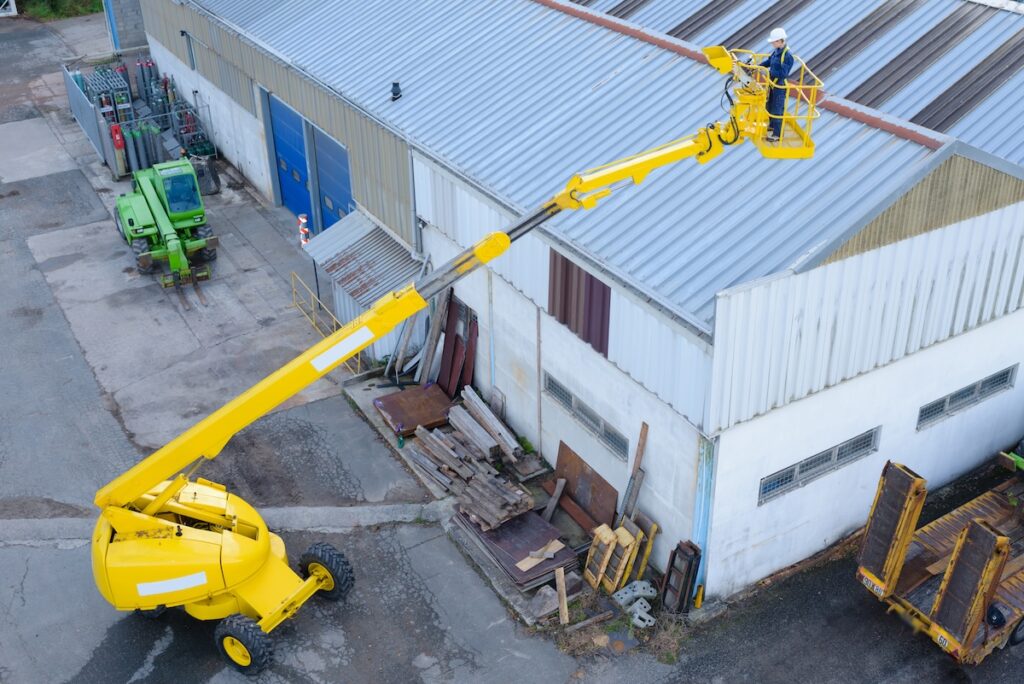
A well-planned warehouse roof replacement protects your building, inventory, and operations while improving energy efficiency and long-term performance. By choosing the right materials, scheduling the project carefully, and maintaining the roof afterward, commercial property owners can ensure their investment lasts for decades.
For building owners in Holmen, WI and surrounding areas, professional guidance can make the planning process much easier. If you are evaluating your current warehouse roof or preparing for a replacement project, the team at First American Roofing & Siding, Inc. can provide a detailed inspection and help you explore the best options for your facility.
Contact First American Roofing & Siding, Inc. today to schedule a commercial roof consultation and start planning your next roofing project.