Do You Need To Close Your Business During A Roof Replacement? (5 Answers)

Written By: First American Roofing

04/23/26

6 Mins
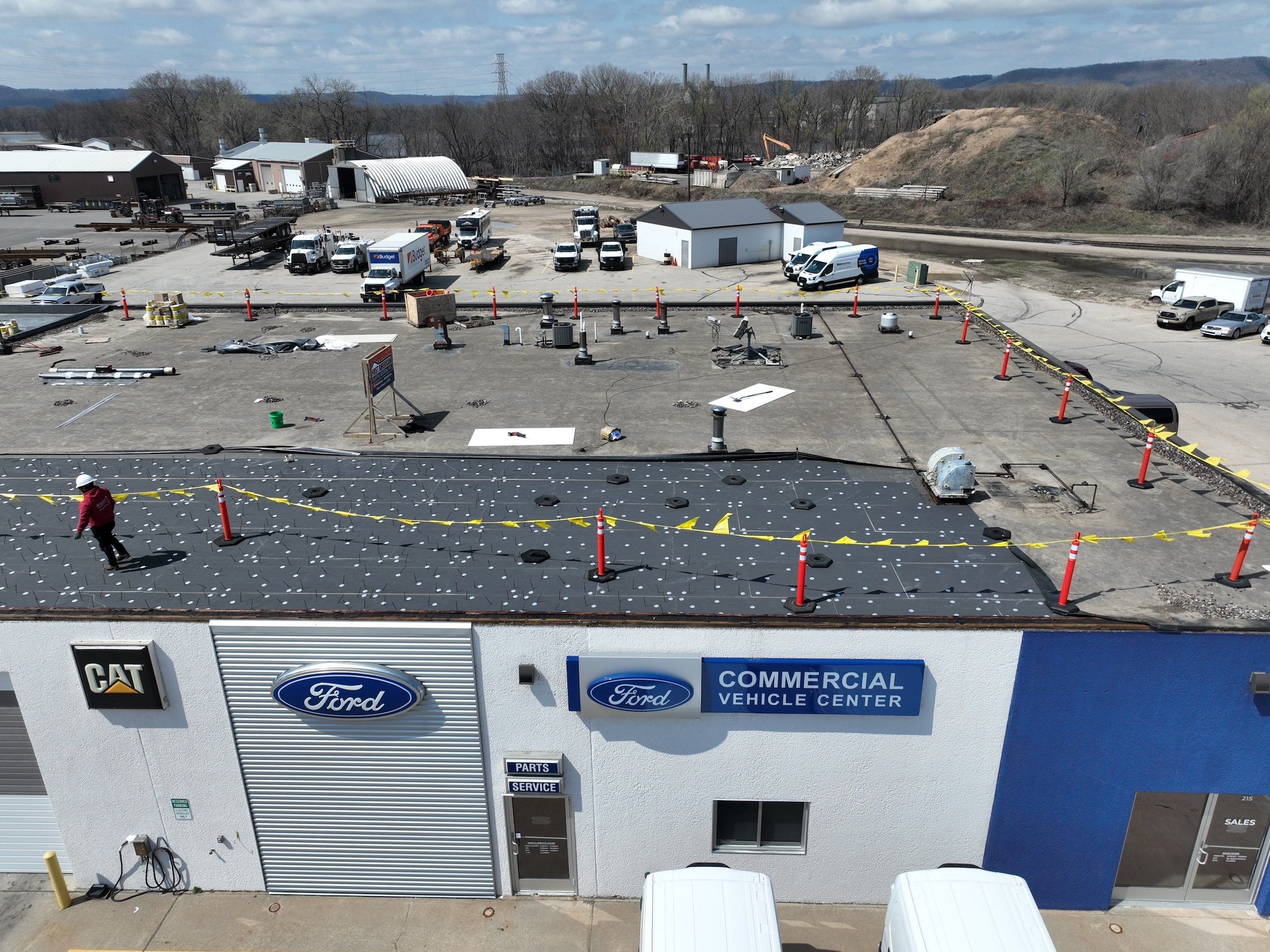
Many commercial property owners ask do you need to close your business during a roof replacement when planning a major roofing project. The good news is that in many cases, businesses can remain open during the process with proper planning, safety measures, and coordination with experienced roofing contractors.
- Operational continuity: Many commercial roof replacements are completed while businesses remain open.
- Project planning: Contractors often schedule work to minimize disruption to employees and customers.
- Safety measures: Professional crews use protective barriers and procedures to keep occupants safe.
How Roof Replacement Affects Daily Business Operations
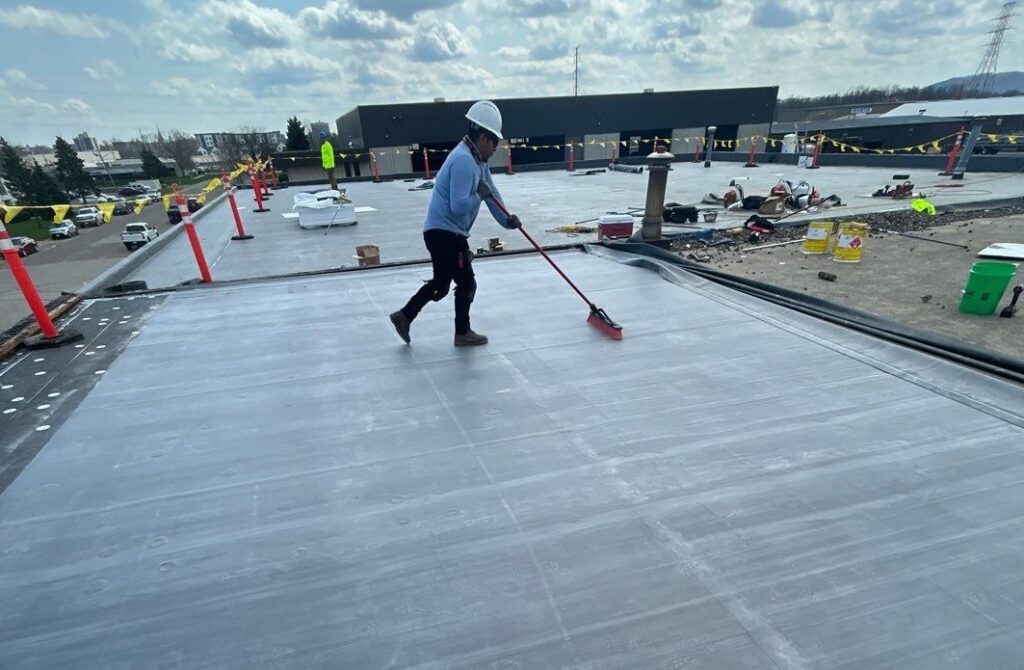
Replacing a commercial roof is a significant project, but it does not always require shutting down operations entirely. In fact, many businesses continue operating during roofing work with minimal disruption.
Commercial roofing contractors typically divide projects into sections and follow detailed safety protocols to ensure the building remains protected throughout the installation process. For businesses in La Crosse, WI and surrounding areas, weather planning and careful scheduling are also important factors that help minimize operational interruptions.
While every project is different, understanding the most common scenarios can help business owners prepare for what to expect.
5 Answers Business Owners Should Know
Below are five key factors that determine whether your business needs to temporarily close during a commercial roof replacement.
1. Most Businesses Can Stay Open During Roof Replacement
In many cases, businesses remain open while roofing crews work on the building.
- Sectioned installation: Contractors replace one portion of the roof at a time.
- Protective barriers: Interior areas are protected from debris and moisture.
- Minimal interior impact: Most roofing work happens on the exterior of the building.
Retail stores, offices, and warehouses often continue normal operations during the project.
2. Noise Levels May Affect Certain Businesses
Roof replacement can generate noise from equipment, removal of old materials, and installation processes.
- Hammering and cutting: Roofing tools can produce noticeable sounds.
- Heavy equipment: Crane lifts and material deliveries may create temporary disruptions.
- Scheduling flexibility: Contractors sometimes adjust work hours to reduce noise during peak business times.
Businesses that rely on quiet environments, such as medical offices or call centers, may need temporary adjustments to work schedules.
3. Safety Considerations Are a Top Priority
Professional roofing companies follow strict safety guidelines to protect building occupants.
- Restricted work zones: Certain areas around the building may be temporarily blocked off.
- Debris control systems: Safety netting and protective barriers help contain materials.
- Clear communication: Contractors coordinate with building managers throughout the project.
These precautions help ensure employees and customers remain safe during construction.
4. Certain Situations May Require Temporary Closure
While many businesses remain open, some situations may require partial or temporary closure.
- Major structural repairs: If roof decking or structural components need replacement.
- Sensitive environments: Facilities with strict cleanliness standards may pause operations.
- Severe weather conditions: Unexpected storms may temporarily halt work.
Your roofing contractor will usually identify these situations during the planning stage.
5. Proper Planning Minimizes Business Disruption
Careful planning before the project begins is one of the most important steps.
- Communication with staff: Inform employees about schedules and potential noise.
- Customer notifications: Let clients know construction will be occurring.
- Flexible scheduling: Contractors can sometimes work during off-hours or weekends.
With the right preparation, most businesses experience only minor interruptions during the project.
What Happens During a Commercial Roof Replacement
Understanding the typical phases of a commercial roofing project can help business owners feel more prepared.
- Initial inspection and planning: Contractors evaluate the roof condition and develop a project timeline.
- Material delivery and staging: Roofing materials are delivered and equipment is set up safely.
- Roof removal: Existing roofing materials are removed section by section.
- Repairs and installation: New insulation, membranes, and flashing are installed.
- Final inspection and cleanup: Contractors ensure the roof is watertight and remove debris.
This structured approach helps protect the building throughout the replacement process.
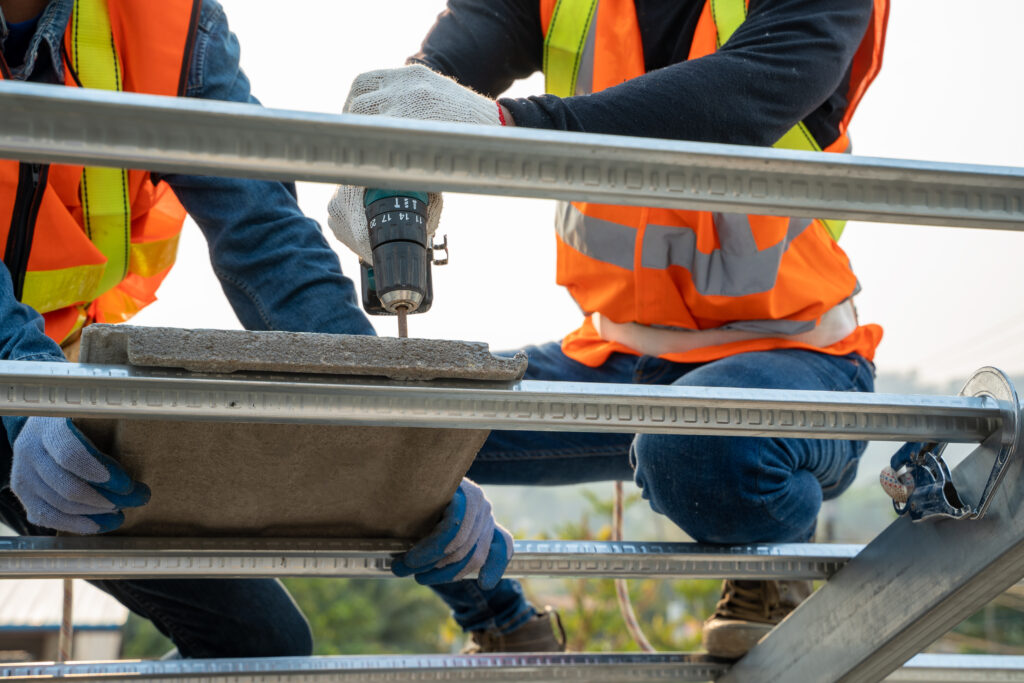
Repair vs Replacement: Which Option Is Best for Your Business?
Not every commercial roofing issue requires a full replacement. In some cases, repairs can restore the roof’s performance and extend its lifespan. However, there are situations where replacement becomes the more cost-effective and reliable solution for commercial property owners.
Understanding the difference between repair and replacement can help you avoid unnecessary expenses while protecting your building and operations.
- Minor damage: Small leaks, flashing issues, or localized membrane damage can often be repaired quickly.
- Age of the roof: If the roof is nearing the end of its expected lifespan, replacement may provide better long-term value.
- Recurring problems: Frequent repairs in the same areas may indicate deeper structural or insulation issues.
A professional roof inspection helps determine the best approach for your building. Experienced contractors can assess membrane condition, insulation performance, and structural components to recommend whether repairs will solve the problem or if a full roof replacement is the smarter investment.
For many commercial property owners, addressing problems early through repairs can prevent costly disruptions. But when a roof reaches the point where repairs are no longer practical, planning a replacement ahead of time helps avoid emergency situations that could temporarily impact business operations.
Tips for Preparing Your Business for Roof Replacement
Business owners can take several steps to make the process smoother for employees and customers.
- Plan access routes: Ensure employees and delivery drivers know which entrances to use.
- Protect sensitive equipment: Cover or move equipment that may be affected by dust or vibration.
- Coordinate parking areas: Roofing equipment may temporarily limit parking access.
- Monitor interior ceilings: Notify contractors immediately if you notice water intrusion.
Clear communication between property owners and roofing contractors helps ensure the project runs smoothly.
Frequently Asked Questions About Commercial Roof Replacement
1. How long does a commercial roof replacement take?
Project timelines vary depending on roof size, materials, and weather conditions. Smaller buildings may take several days, while large facilities can take several weeks.
2. Will customers still be able to access my business during the project?
In most cases, yes. Contractors typically keep entrances open and maintain safe walkways so customers can continue visiting the business.
3. Can roofing work be scheduled after business hours?
Sometimes. Some contractors offer evening or weekend work depending on the scope of the project and local regulations.
Plan Your Roofing Project Without Disrupting Your Business
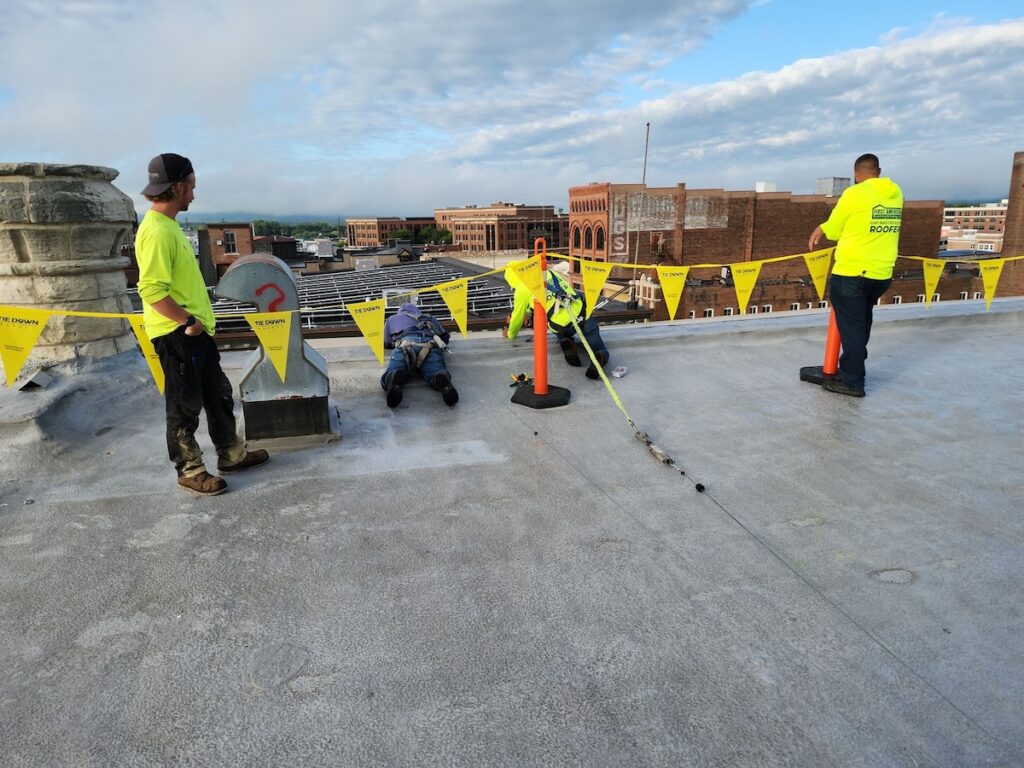
Understanding do you need to close your business during a roof replacement helps commercial property owners plan ahead and keep operations running smoothly. With proper planning, communication, and experienced contractors, many roofing projects can be completed while businesses remain open.
For business owners in La Crosse, WI and surrounding areas, working with experienced commercial roofing professionals helps ensure projects are completed safely and efficiently while minimizing disruptions.
If you are planning a commercial roof replacement or want to evaluate your current roof’s condition, contact First American Roofing & Siding, Inc. to schedule a professional consultation and discuss the best options for your building.